Durban: A practical guide to accommodation, attractions and dining
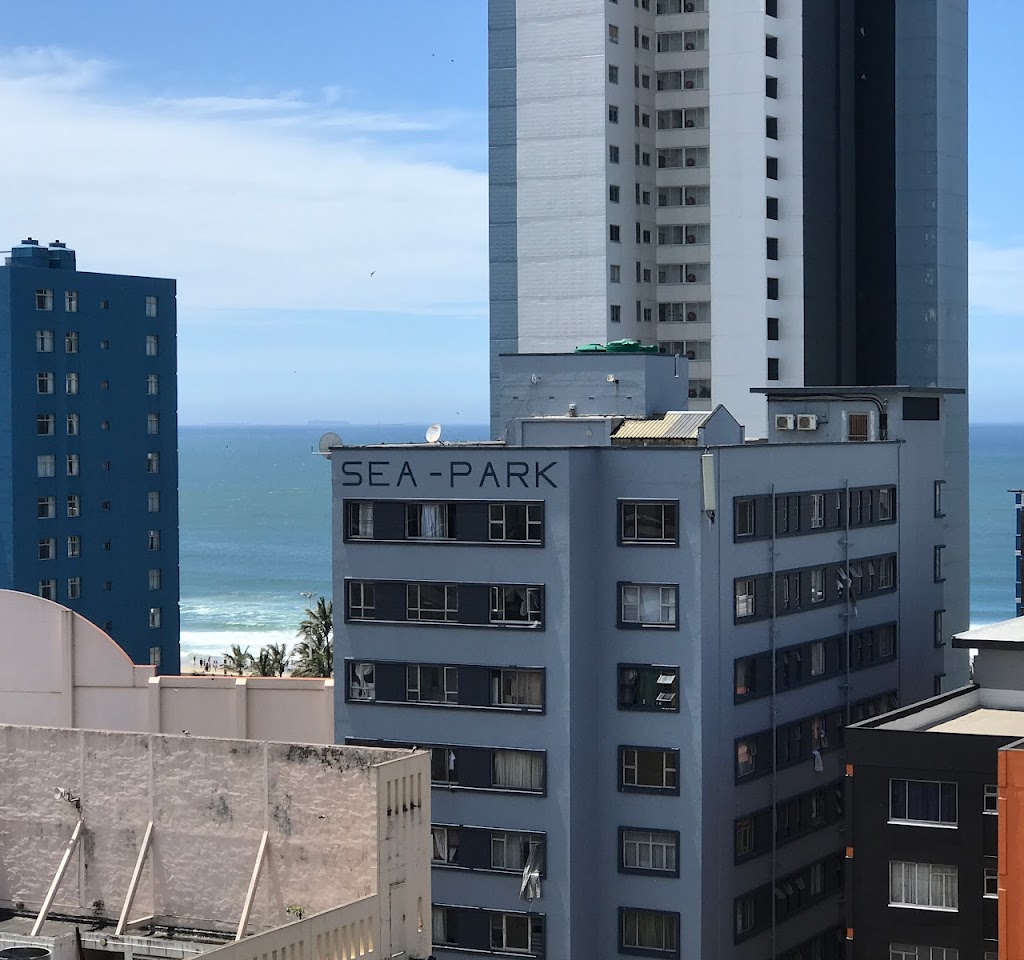
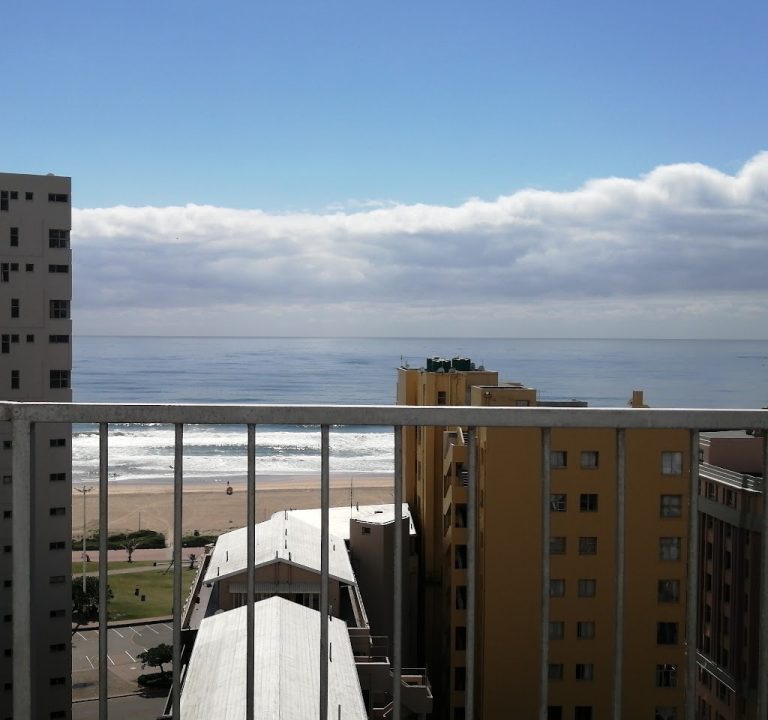
Durban’s coastline and subtropical climate make it a welcoming choice for a stay that blends city culture, beach days and hinterland excursions. When planning where to base yourself, consider areas that balance accessibility with local character. The central business district offers easy access to transport and some budget-friendly stays, while Point, Umhlanga and Musgrave border welcoming neighbourhoods with more upmarket options and a calmer ambience close to sea views. If you prefer a lively beachfront atmosphere, look for places along the Golden Mile or near the harbour, then hop on a short ride to quieter residential streets where guesthouses and self-catering flats provide a homely base.
Accommodation in Durban ranges from contemporary city hotels to intimate BnBs, guesthouses and self-catering apartments. Typical amenities to look for include secure parking or reliable on-site parking, free Wi‑Fi, air conditioning for humid days, and easy access to public transport or Uber/ride-share services. Self-catering options can be particularly convenient for families or longer stays, offering fully equipped kitchens, living areas and often laundry facilities. When booking, read recent guest reviews to gauge cleanliness, consistency and the responsiveness of management. Many properties list their check-in times and policies clearly; plan around late arrivals if you are travelling after hours and confirm any pen-and-paper or digital check-in protocols.
Transport and getting around are practical considerations. Durban’s main rail line and bus routes connect key areas, while Uber and other ride-hailing services operate widely. If you intend day trips to the Valley of a Thousand Hills, the Juzi Park or inland reserves, a car can be convenient, though guided tours and organised day trips can also simplify logistics. For beach days, many accommodations are a short walk or short rides from popular coves and promenades. If you prefer pedestrian-friendly stays, look for neighbourhoods compact enough to explore on foot or with occasional short taxi rides.
Best time to visit Durban depends on your priorities. The city enjoys warm summers, with occasional afternoon thundershowers. Winter (June to August) remains mild and comfortable for exploring museums and markets, though sea swimming is less likely. Spring and autumn bring pleasant temperatures for outdoor dining and coastal walks. If you plan to combine a beach break with cultural sights, early mornings and late afternoons provide the most comfortable conditions for outdoor activity year-round.
Practical planning tips to help you book with confidence:
- Check cancellation policies and any hidden fees in advance.
- Consider room layout and whether you prefer a private apartment, a room in a guesthouse, or a full-service hotel.
- Look for options with flexible dining arrangements, such as self-catering facilities or included breakfast, depending on your plans.
- Confirm access to essential amenities like air conditioning, reliable Wi‑Fi, a well-equipped kitchen, and laundry facilities if staying longer.
- Prioritise properties with good security features and clear information about access after dark.
Durban’s diverse dining scene spans casual beachfront eateries and refined restaurants. Expect a mix of local South African flavours, including seafood caught along the coast, fragrant curries and influences from Indian, Malay and Zulu culinary traditions. In most neighbourhoods you’ll find café culture and markets where you can sample fresh produce and street foods. When choosing a restaurant, consider proximity to your lodging for convenience after a day of sightseeing, and check whether the venue offers outdoor seating to enjoy the subtropical climate.
Attractions span natural beauty, heritage sites and modern cultural spaces. A coastal promenade invites long strolls or jogs with sea views, while nearby parklands offer shaded spots for a picnic. Family-friendly activities often include beaches with gentle surf and safer swimming zones, botanical gardens, and museums detailing Durban’s maritime history and cultural diversity. If your itinerary includes a flavour of the region’s landscapes, a day trip to the nearby hills or nature reserves can provide a refreshing contrast to a city break. When planning, balance time between planned tours and free days to wander markets, observe street art, or simply relax by the sea.
For guests seeking a home-away-from-home experience, self-catering apartments can combine privacy with practicality. A property such as a holiday apartment rental in a central or coastal area can offer a kitchen, comfortable living space and convenient access to shops, cafés and beaches. If you are researching specific properties, read the listing thoroughly for details about bedding configurations, cleaning schedules and guest responsibilities. A short stroll around the surrounding streets can also help you gauge safety, noise levels and the rhythm of local life.
EmaZungwini Self-Catering Apartment is an example of the kind of stay that can suit a flexible itinerary. It offers a compact, self-contained option for travellers who value autonomy and a central location. For those exploring Durban on a budget or seeking longer stays, such apartments can provide a comfortable base with the added convenience of a kitchen and living area, allowing you to tailor meals and pacing to your plans.
If you are organising a longer visit, consider booking your stay as part of a broader itinerary that includes a few nights near the sea, followed by a stay in a central area for easy access to museums, markets and transit hubs. Durban’s climate and layout reward travellers who mix planned experiences with time to wander, chat with locals and savour the city’s distinctive blend of Indian, Zulu and colonial influences. By choosing the right neighbourhood, reading reviews carefully, and planning transport in advance, you can enjoy a well-rounded stay that makes the most of this vibrant KwaZulu-Natal city.
Useful resources and planning tips:
- Look for official tourism information online to get a sense of current happenings, markets and seasonal events.
- Check property amenities and guest reviews before booking to ensure you have the facilities you need.
- Consider a balance of indoor and outdoor experiences to make the most of Durban’s climate.
- Website links: https://www.southafrica.net/en/travel-info/durban and https://www.durbantourism.co.za/ for general guidance and ideas.