Accommodation and Experiences in Cape Town: Where to Stay and What to Do
Cape Town blends breathtaking scenery with a welcoming, traveller‑friendly scene. Whether you seek a cosy bed and breakfast with personalised touches, a stylish boutique hotel, or a self‑cufficient lodge, the city offers a broad spectrum of options to suit different plans and budgets. For guests seeking a tranquil base with easy access to the surrounding coast and winelands, a well‑chosen stay can greatly shape the pace and enjoyment of a visit.
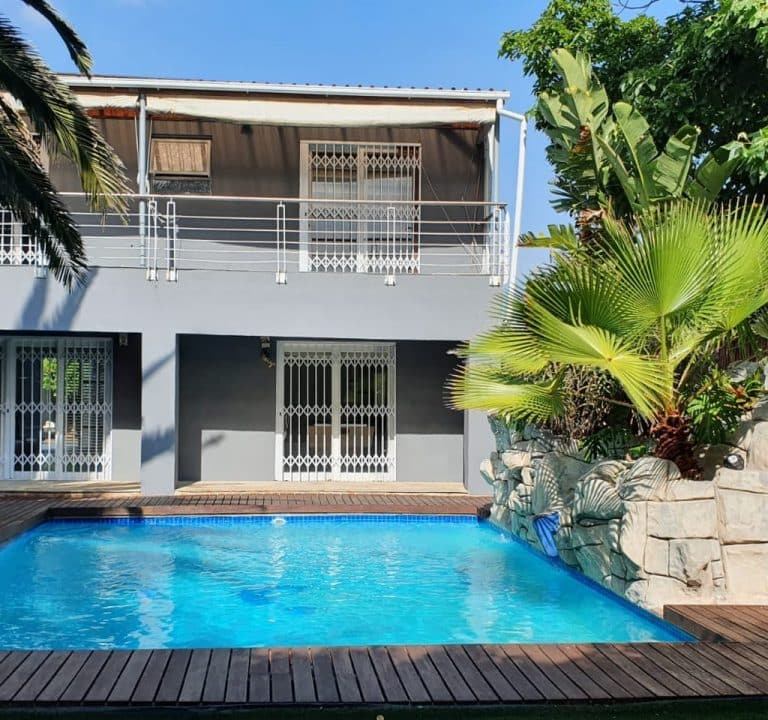
De‑Villa Lodge is an example of a traditional bed and breakfast option within the region. While staying at a B&B, guests typically benefit from intimate, host‑led service, curated breakfasts, and a neighbourhood feel that helps you orient yourself in the city. Such properties often place you within walkable or short‑drive distances to key sights and dining precincts, making it easier to structure days around planned activities or spontaneous discoveries.
When planning where to stay, consider the area as a primary factor in shaping your itinerary. City Bowl and the V&A Waterfront offer convenient access to central attractions, museums, and cuisine, often with a vibrant, cosmopolitan atmosphere. If you prefer coastal scenery, areas along the Atlantic Seaboard such as Camps Bay or Clifton provide dramatic views and easy beach access, though transport may be needed for evening plans or longer day trips. Southern suburbs and Constantia Acres present a more relaxed, green backdrop with proximity to wine estates and nature trails. For a quieter gateway closer to the peninsula’s dramatic viewpoints, fewer‑traffic neighbourhoods on the slopes of Table Mountain can be ideal, especially for travellers who value a serene base after a day of exploring.
What to look for when booking comes down to a few practical points. First, determine whether you prioritise space and privacy or sociable, hosted experiences. Some B&Bs or guesthouses provide intimate sitting areas, private terraces, and a daily breakfast with regional produce, while larger hotels or boutique properties may offer on‑site dining, concierge services, and extended facilities. Check the room layout, natural light, and whether Wi‑Fi is reliable for planning day trips or catching up after a day outdoors. Ensuite bathrooms, climate control, and secure parking are common but worth confirming, especially if you plan to rent a car or move between neighbourhoods frequently.
Typical amenities to weigh include breakfast service, on‑site parking, swimming pools, and terraces with city or sea views. Many properties in Cape Town can arrange guided experiences or partner with local operators for wine tastings, township visits, or hiking routes near Table Mountain. If transport is a concern, look for places with easy access to MyCiTi bus routes, or those within a short ride of major transport hubs. Clear information about access to public transport, safety considerations, and local taxi or ride‑share options helps in plotting daily itineraries with less stress.
Practical planning tips for a smooth stay:
- Plan shoulder seasons (late spring or autumn) to enjoy milder weather, fewer crowds, and potentially better rates while still experiencing vibrant city life and outdoor activities.
- Consider a mix of day trips and city‑centre stays to balance beach days with cultural sightseeing, such as a afternoon visit to museums or markets after a harbour stroll.
- Pack layers for variable coastal weather: mornings and evenings can be cool, even in warmer months, with sunshine at midday.
- Book popular experiences and restaurant reservations in advance during peak seasons to avoid disappointment, especially for wine estates, guided hikes, or fine dining venues.
- Allow time for scenic drives along the coast or up to the top of Table Mountain, and be mindful of road conditions and lighting in rural or coastal routes after dark.
Transport in Cape Town is flexible enough for different travel styles. In the city centre, walking is feasible for shorter hops and sightseeing, while for longer or more scenic trips a rental car offers freedom to explore winelands and coastal towns. Public transport, such as the city’s bus network, provides a cost‑effective option, though services and routes can vary. Ride‑hailing apps are widely used, often offering a convenient way to reach restaurants, galleries, and nightlife precincts without the worry of parking. When planning an itinerary, tally travel times between locations, and build in buffer periods for weather changes or delays common to coastal routes.
Beyond accommodation, Cape Town’s attractions and culinary landscape reward curiosity in general terms. The city is renowned for its panoramic viewpoints, rugged coastlines, and world‑class museums that illuminate the region’s history and natural heritage. Dining ranges from vibrant markets and casual eateries to refined restaurants focusing on seafood, farm‑to‑table dishes, and wine‑pairing experiences from nearby estates. For visitors who wish to balance activity with relaxation, there are ample opportunities to stroll coastal promenades, follow scenic trails, or enjoy a sunset with an al fresco drink while absorbing the city’s unique light and scenery.
In planning a stay around De‑Villa Lodge or any Cape Town accommodation, think of a flexible, layered itinerary: a couple of nights near the city core for cultural immersion, a couple of days on the Atlantic Seaboard to soak up coastline and beaches, and a day or two in or near Constantia or the winelands to sample wines and countryside views. With thoughtful selection of lodging, transport options, and a mix of activities, your Cape Town visit can be rewarding, safe, and comfortably paced, leaving you with lasting memories of the region's beauty and hospitality. For more inspiration and practical planning resources, you can explore official tourism information at city and regional websites.