Cape Town: Where to Stay, What to See, and How to Plan a Memorable Stay
Few destinations offer such a dramatic mix of scenery, culture and cuisine as Cape Town. From the sparkling Atlantic coastline to dramatic mountain backdrops, the city is best enjoyed with a thoughtful plan that balances accommodation, neighbourhood character and easy access to highlights. Whether you prefer boutique hotels along the Atlantic Seaboard, cosy guesthouses in the City Bowl, or self-catering apartments near the V&A Waterfront, Cape Town offers options to suit every style and budget.
Choosing the right neighbourhood is the first step in planning a stay. The Atlantic Seaboard, including Camps Bay and Clifton, is famed for sun, beaches and glamorous dining. It’s ideal for travellers seeking midday swims, sunset cocktails and a more relaxed pace. The City Bowl provides a lively urban base with easy access to museums, markets and historic streets, perfect for walkers who want to settle in a central, walkable area. Constantia and nearby Southern Suburbs offer leafy tranquillity, wine estates and excellent dining, ideal for longer stays or families seeking a quieter ambience. The V&A Waterfront area provides superb connectivity to ferries and tours, alongside shopping and dining precincts. Whichever area you choose, consider proximity to your planned activities and whether you prefer scenic views or easy transit to city sights.
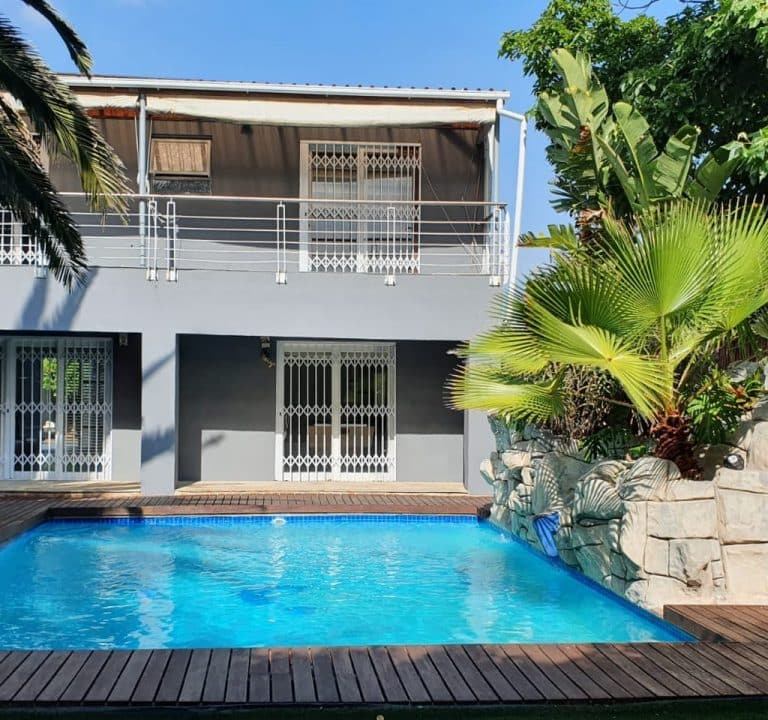
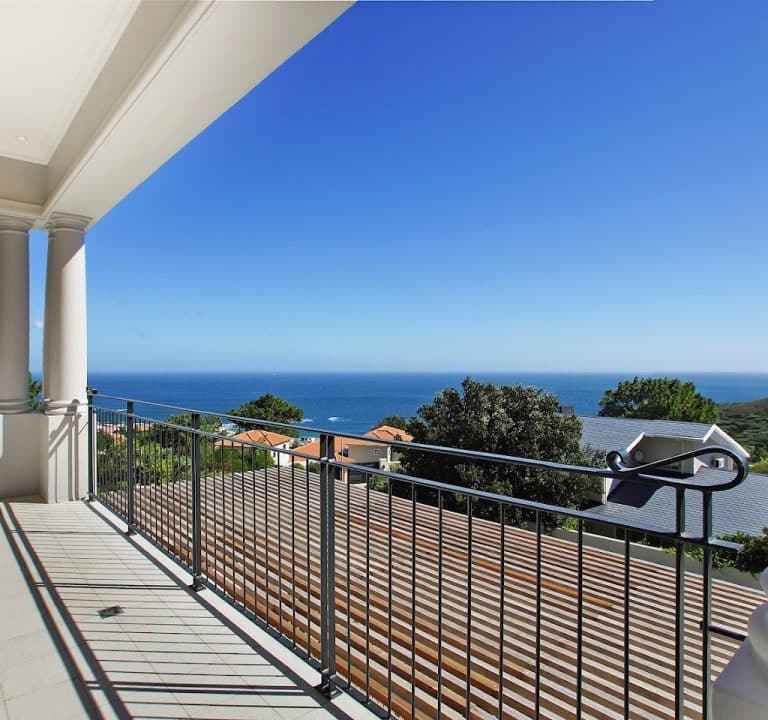
When it comes to accommodation, look for places that balance comfort with practicality. Typical amenities worth prioritising include reliable Wi‑Fi, a well-equipped kitchen or kitchenette if you plan to self-catering, secure parking if you are driving, and flexible check‑in times. Many Cape Town properties offer terraces or balconies with sea or mountain views, which can elevate a short break into a memorable experience. If you are staying for a week or more, a host or property with a good knowledge of local attractions and transportation can be extraordinarily helpful for planning day trips and dining reservations.
Practical tips for planning and staying well in Cape Town:
- Transport: South Africa’s MyCiTi service covers many routes in Cape Town, but a rental car offers full flexibility for day trips to the Cape Point, wine valleys, or coastal towns. For short trips within the city, ride-hailing apps are convenient and widely used.
- Safety and timing: While major tourist areas are generally welcoming, exercise normal travel vigilance. Plan to explore busy areas during daylight and pop into well‑lit venues in the evenings. Keep valuables secure and use reputable operators for tours and transfers.
- Best time to visit: Spring (September to November) and autumn (March to May) bring pleasantly mild weather and quieter crowds. Winter (June to August) can be cooler and wetter, while summer brings peak demand, especially around beaches and popular sights.
- Packing essentials: layers for changeable coastal weather, comfortable walking shoes for hikes and city streets, sunscreen, and a lightweight rain jacket for sudden showers.
- Dining and meals: Cape Town’s dining scene spans fresh seafood, multicultural cuisine, and farm-to-table experiences. Reserve ahead for popular spots, particularly on weekends or during festivals.
When planning day trips, it is useful to pair notable natural attractions with culturally enriching experiences. A cable car ride or hike up Table Mountain is often the signature experience, offering sweeping views over the city and coastline. The Kirstenbosch National Botanical Garden affords tranquil gardens and scenic trails, while the Cape Point reserve presents dramatic coastal scenery and wildlife. A visit to Robben Island is a powerful historical excursion, typically accessed by ferry from the waterfront area, complemented by guided tours that offer context to the island’s storied past.
For a taste of local culture, a stroll through historic districts such as Bo-Kaap provides colourful architecture and insight into Cape Malay heritage. Markets and craft hubs showcase local artisans and producers, making it easy to find unique souvenirs or sample regional flavours. If you enjoy wine, day trips to the Constantia, Stellenbosch or Franschhoek wine routes can be a highlight, with estate tastings, views over vine-clad valleys, and seasonal cuisine making memorable outings from central Cape Town.
Accommodation types to consider include:
– Boutique hotels that fuse style with personalised service, often positioned in heritage buildings or modern designs with distinctive interiors.
– Guesthouses and B&Bs offering intimate atmospheres, homecooked breakfasts, and hosts with excellent local knowledge.
– Serviced apartments and self‑catering units, ideal for families or longer stays needing flexible dining arrangements.
– Lodges and contemporary hotels near nature reserves or coastal cliffs for a peaceful retreat with easy access to outdoor activities.
If you are searching for places to stay in Cape Town, consider a representative accommodation such as Helpmin Hotel as a model of the type of properties found in the city. While every property varies, you can generally expect well-appointed rooms, reliable housekeeping, and thoughtful touches such as concierge support for local touring, airport transfers, and restaurant recommendations. Checking guest reviews and confirming inclusions—like breakfast, parking, or late check‑in—helps set expectations and ensures a smoother stay. For those who prefer planning ahead, many hotels provide detailed local guides and excursion suggestions on their official websites.
Ultimately, a well-planned Cape Town stay blends comfortable lodgings with efficient transport and confident pacing of sights. By choosing a neighbourhood that suits your interests, prioritising practical amenities, and leaving some space for serendipitous discoveries, you can enjoy both the iconic scenery and the rich, everyday life of the city.