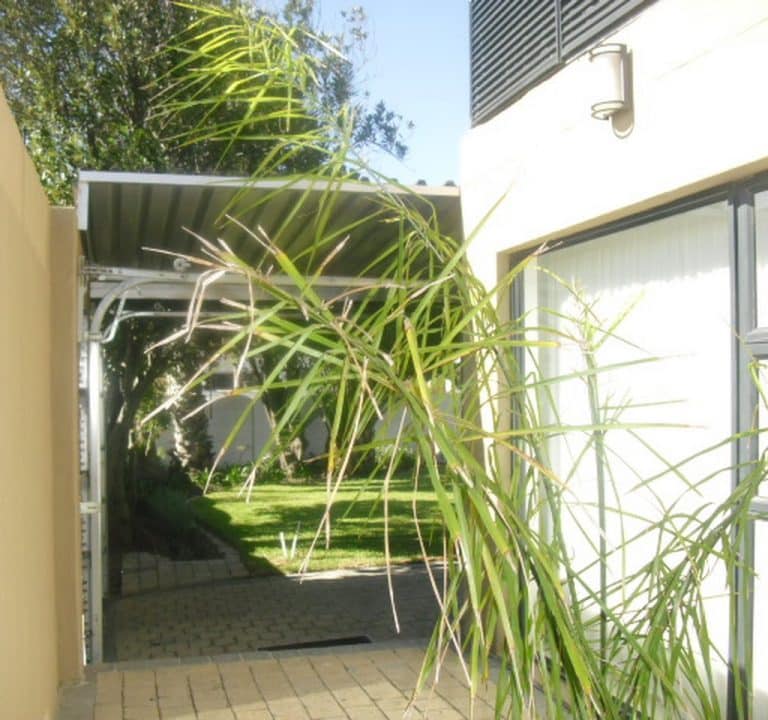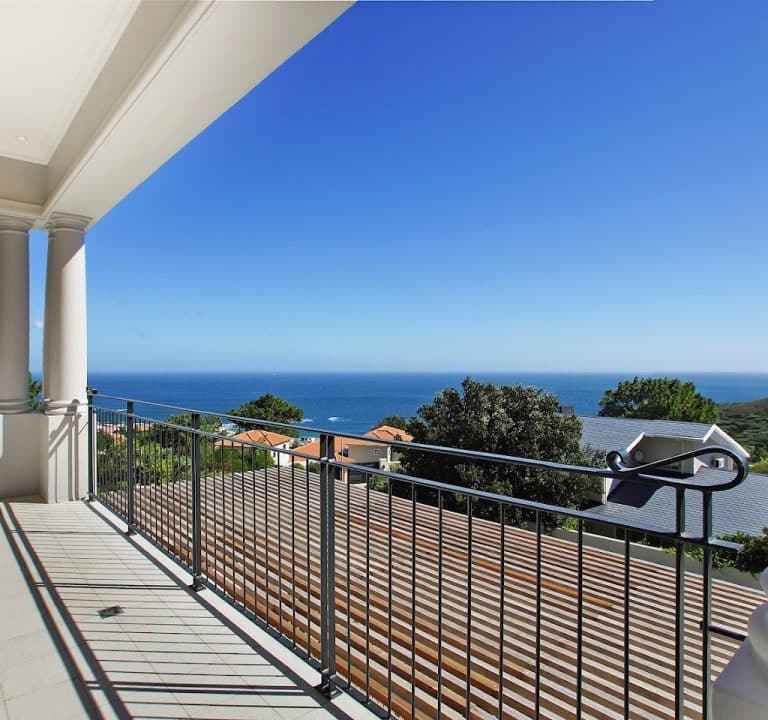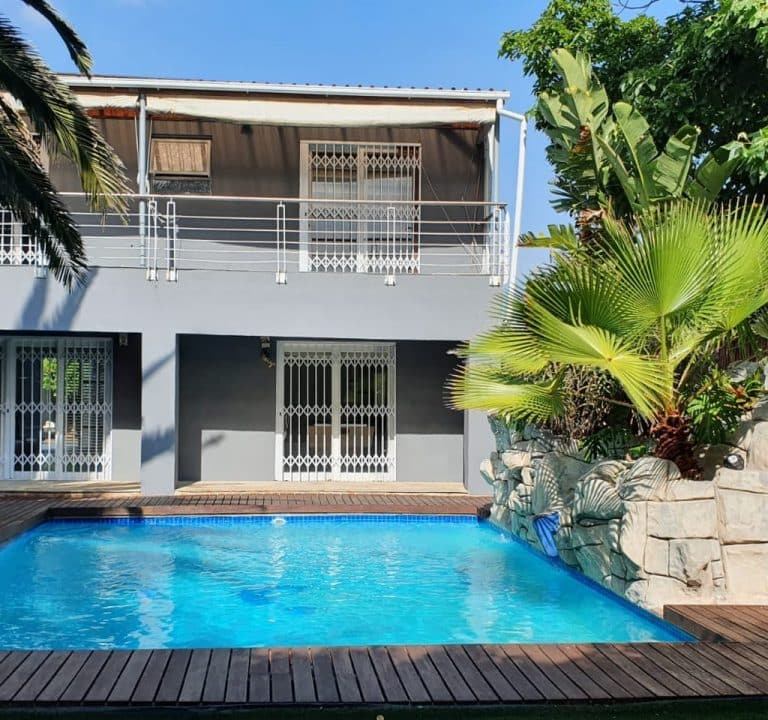
42 on Leafmore is a Self-catering accommodation establishment in Cape Town, Western Cape, South Africa
42 on Leafmore, Cape Town – an outside observer’s overview
Set within the vibrant city of Cape Town, 42 on Leafmore presents itself as a destination whose exact details are not readily gleaned from the current online listing. As an external observer, it becomes clear that the property operates within a well-trodden South African hospitality landscape, where travellers often seek places that blend comfort with convenient access to the Cape’s iconic mix of natural beauty, cultural neighbourhoods, and cosmopolitan dining and markets. The present online footprint for 42 on Leafmore appears to be a snapshot rather than a full, descriptive brochure, with essential information such as specific room types, on-site facilities, policies, and pricing not conspicuously listed. This assessment focuses on what can reasonably be described from the site’s available content, alongside general expectations for similar Cape Town stays.
In terms of what the place offers, the absence of a detailed amenities list on the current page means potential guests should approach with a mindset of flexibility. The site link provided directs visitors to a business profile rather than a comprehensive accommodation guide. For travellers who prioritise a straightforward, no-surprise approach to booking, this underscores the importance of cross-checking with alternative sources or direct messaging through the site for confirmation of what is included—whether it be breakfast options, self-catering facilities, parking access, Wi-Fi reliability, or housekeeping arrangements. While specifics are not stated here, the property’s presence in Cape Town situates it within a city known for hospitality that ranges from intimate boutique stays to larger guesthouse configurations.
Regarding accommodation style, the lack of explicit room descriptors means one cannot categorically label the property as a boutique guesthouse, a self-contained apartment, or a small hotel. The neutral framing of the listing invites readers to consider a broad interpretation: the lodging could be compact and thoughtfully designed, or more expansive, depending on how the space is utilised within Leafmore. A visitor can reasonably expect a setting that accommodates restful stays in a city that favours both characterful interiors and practical layout—but for concrete details such as room sizes, ensuite facilities, or whether suites feature private lounge areas, direct confirmation is advised.
Amenities, where available in comparable Cape Town stays, often include essentials such as comfortable bedding, reliable Wi‑Fi, daily housekeeping, and access to communal areas or kitchens. However, with no explicit amenities listed on the site, potential guests should treat these as aspirational expectations and verify during the booking process. Those who value on-site conveniences will benefit from mapping out the precise inclusions with the host or via the booking link, ensuring transparency before committing to a stay.
Who is 42 on Leafmore best suited for? Given the limited information available, it is prudent to consider a broad audience: travellers seeking a quiet base from which to explore Cape Town’s diverse neighbourhoods, families needing a flexible space, or solo travellers looking for a central yet potentially tranquil retreat. The property’s Cape Town location historically appeals to visitors who wish to balance city exploration with access to natural attractions, markets, and a wide array of eateries. The absence of detailed policies—such as check-in/check-out times, pet allowances, or cancellation terms—means guests should approach with due diligence and obtain explicit statements directly through the website before finalising arrangements.
Nearby highlights, while not enumerated on the site, are typically a feature of Cape Town’s well-known districts and coastline. Guests commonly enjoy proximity to natural landmarks and citywide cultural pockets, including Table Mountain and its cableway, the historic streets and markets of the city bowl, the Victoria & Alfred Waterfront for dining and entertainment, and the scenic Atlantic coastline that spans Camps Bay, Clifton, and neighbouring beaches. While not confirmed for 42 on Leafmore, these landmarks represent the type of experiences travellers often seek when staying in Cape Town, offering a balanced itinerary of outdoor adventures, scenic viewpoints, and relaxed daytime or evening strolls.
Booking and travel tips for this listing are practical in nature, given the current limited on-page information. To make a well-informed decision, potential guests should:
- Review the official site for any updates or alternate booking channels linked from the profile.
- Send a direct query to confirm room types, bed configurations, on-site facilities, and daily housekeeping arrangements.
- Ask about proximity to transport links, parking arrangements, and access to popular neighbourhoods or attractions.
- Request clarity on policies such as check-in/check-out times, cancellation terms, and whether breakfast or self-catering options are provided.
- Check guest reviews on independent platforms for a more comprehensive picture of comfort, noise levels, and service quality.
Travelers planning a Cape Town stay often benefit from pairing a booking with flexible exploration plans. This approach allows for discovering the city’s diverse districts, from historic precincts to contemporary arts spaces, while keeping options open in case certain details about a property change between viewing and arrival. The absence of static, comprehensive details on the 42 on Leafmore listing invites a careful, proactive approach to booking—ensuring that expectations align with what is ultimately experienced during the stay.
For those interested in exploring further or making a reservation, the property maintains an online presence at the following URL: 42 on Leafmore – Cape Town. While the current page offers a starting point, corroborating information through the site’s booking link or alternative contact methods is advisable to secure a smooth and well-informed travel decision.
Cape Town
Western Cape
7780
South Africa


Cape Town: accommodation planning, areas to consider, and how to enjoy the city
Cape Town offers a diverse range of places to stay, from self-catering apartments to boutique guesthouses, modern hotels and country-style lodges. When choosing your base, consider what you most want to see and how you prefer to move around. The city’s top draws sit across several distinct neighbourhoods, each with its own character and access to transport links, so planning a logical itinerary can save time and maximise your experiences.
Self-catering options, such as apartments and houses, are ideal for groups or travellers who value flexibility. They tend to come with kitchens, living spaces and often parking, which makes longer stays convenient. In some areas you’ll find stylish modern finishes and quieter residential streets, while closer to the coast there are ocean-facing terraces and panoramic views. If you’re staying in a self-catering property like 42 on Leafmore, you can enjoy a home-from-home feel with the convenience of an ensuite bedroom, living area and kitchen, plus the freedom to cook and entertain if you wish. Always check access arrangements, parking, and whether linens and cleaning are included in the rate.
Neighbourhoods to consider include the City Bowl and Central Seaboard for easy access to urban attractions, the Atlantic Seaboard (including camps such as Camps Bay and Sea Point) for coastal scenery and vibrant cafés, and the southern suburbs such as Constantia for wine country and leafy streets. For a breezy, scenic escape, the Atlantic Seaboard is particularly popular, while the City Bowl offers proximity to museums, theatres and markets with a walkable city centre feel. Families and early risers might prefer Constantia or the southern suburbs for quieter mornings and easier access to nature trails and wine estates.
Typical amenities to look for when booking include secure parking or easy street parking, reliable Wi‑Fi, a well-equipped kitchen if you’re opting for self-catering, comfortable beds with quality linen, a good heating or cooling system, and clear cleaning policies. Consider whether you’ll need laundry facilities, a private balcony or courtyard, and whether the property offers waste recycling or sustainable practices. If you rely on public transport, check proximity to bus links or railway stations; many travellers appreciate properties within a short walk of MyCiTi routes or taxi stands.
Transport in Cape Town is varied. Driving offers flexibility to explore the Cape Peninsula, Constantia Valley and nearby towns, but roads can be busy in peak season and parking near popular attractions can be limited. The MyCiTi bus network is a practical public option for city-centre journeys and for moving between key hubs. Ridesharing and taxi services are widely available. When planning day trips, such as to the Cape Point peninsula or to the Winelands, consider a guided tour or a private driver if you prefer a relaxed itinerary and local insights. In many neighbourhoods, walking is a pleasant way to discover cafés, markets and viewpoints, especially on cooler mornings or late afternoons when the light is particularly photogenic.
Best time to visit Cape Town varies with your priorities. The city enjoys mild, sunny winters and warm summers. Summer (December to February) brings lively beaches and outdoor events, but it’s also the busiest and can be more expensive. Spring (September to November) and autumn (March to May) offer comfortable temperatures for hiking, sightseeing and wine tastings, with fewer crowds. Some travellers favour winter (June to August) for dramatic coastal weather and whale watching from certain viewpoints. Pack layers, a light waterproof layer, and sun protection, as conditions can change quickly, especially on the coast or at higher elevations on Table Mountain.
When planning your itinerary, balance iconic must-sees with time for slower experiences. The city’s natural highlights include opportunities for short walks and longer hikes, with viewpoints that reward those who venture up Table Mountain or along the Cape coast. Cultural experiences are abundant, from museums and galleries to markets and street-food stalls where you can sample flavours from across the region. Dining options range from casual cafés to refined restaurants; in many cases you’ll find menus inspired by Cape Malay, Mediterranean and African influences, reflecting Cape Town’s diverse heritage. Look for venues with outdoor seating for pleasant evenings, particularly along the coast where sea breezes complement meals.
Accommodation types blend nicely with the city’s attractions. A self-catering stay gives you flexibility to start the day with a brewed coffee and a quick breakfast before exploring markets, or to return after a day of outdoor activity for a relaxed evening. If you opt for a boutique guesthouse or hotel, you may benefit from on-site services such as concierge recommendations, trip planning, and easy access to popular routes. Regardless of your choice, a practical plan is to group day trips into logical routes to minimise backtracking—think two or three close-by attractions in one day, followed by a relaxed dinner in a nearby neighbourhood.
- Do your homework on neighbourhoods before booking—consider walkability, safety, parking and access to transport.
- Prioritise a base with good access to the city’s top sights and a reliable breakfast or kitchen facilities.
- Book early for peak seasons and coastal weekends; consider shoulder seasons for better value and fewer crowds.
- Check cancellation policies and cleaning arrangements, especially for longer stays or self-catering properties.
- Plan a mix of outdoor days (Table Mountain, coastal walks) and urban days (markets, museums) to balance energy levels.
For further inspiration and a sample self-catering option, you can explore listings and practical details on the site for 42 on Leafmore: https://42-on-leafmore.business.site/?utm_source=gmb&utm_medium=referral
While Cape Town’s dining scene is not summarised by single names here, visitors can expect a broad spectrum of flavours—seafood with Atlantic views, hearty bistro meals, and modern restaurants celebrating local ingredients. In terms of attractions, consider a general plan that includes a mix of natural beauty, historic sites, and coastal scenery, with time left for spontaneous discoveries at markets, art districts, and seaside towns beyond the city limits. With thoughtful planning, your stay in Cape Town can combine comfortable accommodation, easy mobility, and experiences that capture the essence of this captivating region.
Sorry, no records were found. Please adjust your search criteria and try again.
Sorry, unable to load the Maps API.
Why Claim Your Listing?
Claiming your listing on the B&B Finder directory website is a valuable opportunity for business owners. Here are five reasons why you should consider claiming your listings:
Control Over Business Information: By claiming their listing, business owners can ensure that all the information presented is accurate and up-to-date. This includes details such as contact information, address, pricing, and available services or amenities. Accurate information helps prevent customer confusion and improves overall satisfaction.
Enhance the Listing: Once a listing is claimed, owners can enhance it by adding more comprehensive information and rich media, like high-quality photos and videos. These additions can make the listing more attractive and engaging to potential customers, thereby increasing the likelihood of bookings.
Marketing Opportunities: Claiming a listing can also open up additional marketing opportunities. Owners may be able to participate in promotional campaigns, special offers, and other marketing activities organized by the directory. This can increase visibility and attract more customers to the business.