Cape Town: Accommodation, Attractions and Local Experiences for a Memorable Stay
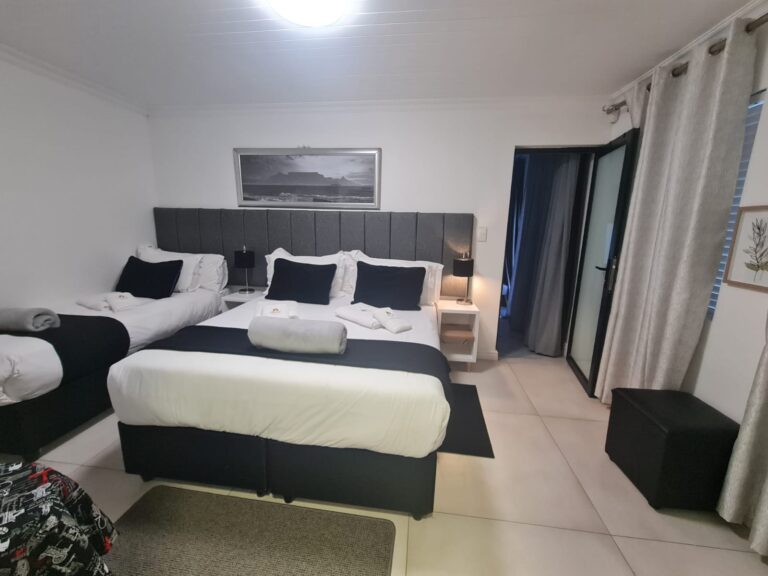
Cape Town in the Western Cape offers a diverse blend of landscapes, neighbourhoods and experiences that suit a wide range of travellers. When planning a stay, it helps to think about what you want most from your trip—mountain views, easy access to beaches, convenient transport links, or a quieter residential vibe. South Africa’s Mother City has self‑catering options, guesthouses, boutique hotels and sizeable lodges, all with varying access to the city’s attractions and local culture. One example in the self‑catering category is Pelican Accommodation Ottery, which provides a practical base for exploring the southern suburbs while staying comfortably on a self‑catering basis. Visit their site for more details at http://www.pelicanaccommodation.co.za/.
Where to stay and what to look for
- A neighbourhood that fits your itinerary: central zones such as the city bowl, Green Point and the Atlantic Seaboard offer easy access to nightlife, dining and waterfront activities, while leafy suburbs and coastal towns further afield provide a calmer pace and more space. If you plan to explore the Cape Peninsula or winelands, consider a home base with straightforward road connections or reliable shuttle options.
- Transportation considerations: Cape Town’s public transport is improving but still limited in parts. If you are self‑catering or travel with family, a guesthouse or apartment with parking can be a big advantage. Proximity to MyCiTi bus stops, taxi services or a hire car can shape your daily plans.
- Typical amenities to expect: self‑catering properties often include a well‑equipped kitchen, comfortable living space, Wi‑Fi, on‑site parking, and clear information about local transport or grocery options. Some establishments may offer extras such as daily housekeeping, laundry facilities, outdoor spaces or secure access. When booking, confirm bed configurations, heating or cooling needs, and whether there is any shared facilities such as a pool or garden.
- Booking considerations: read guest reviews for tips on noise levels, privacy, and how responsive the host or management is. Check cancellation terms and any house rules that might affect families, groups or solo travellers. If you have dietary requirements, verify the kitchen facilities and nearby grocery stores or markets.
Access to attractions and activities
Cape Town is famed for its dramatic geography and vibrant cultural life. Within easy reach, you’ll find:
- Iconic natural landmarks and viewpoints: the flat‑top Table Mountain and other surrounding peaks offer scenic hikes and cabling services, while coastline routes provide dramatic ocean vistas. Early morning light and softer afternoon shade can make a big difference to photos and comfort.
- The city’s waterfront and adjacent districts: harbour activities, markets, and a variety of eateries showcase local products and global influences. Even without naming specific venues, you can expect lively dining scenes with emphasis on seafood, fresh produce, and regional flavours.
- Botanical and coastal experiences: regional gardens and nature reserves showcase Cape flora, while beaches along the Atlantic and False Bay offer opportunities for strolls, picnics, and sunset views. For wildlife enthusiasts, certain coastal areas provide chances to observe penguin colonies or marine life in season.
- Cultural and educational outings: museums, galleries and historic districts illuminate the region’s diverse heritage. Choosing a stay near transport routes or central hubs can make day trips or guided tours more convenient.
Dining and local flavours
Cape Town’s culinary scene ranges from casual markets to refined dining, with a strong emphasis on seafood, produce from nearby farms, and multicultural influences. When planning meals during a self‑catering stay, consider nearby supermarkets, farmers’ markets, and casual eateries that suit your schedule. If you prefer guided experiences, look for options that combine a meal with a city walk or a coastal excursion, allowing you to sample local flavours while learning about the area.
Practical planning tips
- Time to visit: Cape Town experiences different moods across the year. Summer months bring longer days and beach‑friendly weather, while spring and autumn offer pleasant temperatures for hiking and outdoor exploration. Winter can be cooler and rainier, yet still rewarding for museum visits and computing a well‑paced itinerary. Consider shoulder seasons for fewer crowds and potentially better value.
- Packing smart: include comfortable footwear for walking and uneven paths, a light jacket for coastal changes in temperature, and a universal adaptor for appliances. If you plan outdoor activities, bring sun protection and a reusable water bottle.
- Safety and comfort: stay in well‑lit, compliant accommodation with clear access instructions and media connectivity. Use reputable transport options and keep valuables secure, as you would in many busy tourist destinations.
- Practicalities on the ground: map out a rough daily plan that balances travel time with rest periods. With a self‑catering option, you can plan a few meals at home to recover energy between excursions, while reserving evenings for local dining adventures.
Planning your stay with confidence
- Do a quick audit of your must‑see experiences and group them by area to limit unnecessary travel. If you’re aiming to explore the Cape Peninsula, choosing accommodation with straightforward access to main routes can save time and reduce stress.
- Consider a mix of experiences: a comfortable home base with a couple of organised day trips or guided walks can provide structure without curtailing flexibility.
- Book with clear expectations: verify what is included in your booking (linens, cleaning, on‑site facilities) and confirm the proximity of shops, eateries and public transport to your chosen neighbourhood.
In short, Cape Town rewards thoughtful planning. By choosing accommodation that suits your rhythm—whether a self‑catering apartment in Ottery or a more central dwelling—you gain a stable base from which to enjoy dramatic scenery, dynamic dining and insightful cultural experiences. With careful timing, practical packing, and a balanced itinerary, a stay in this iconic corner of the Western Cape can be as relaxed or as active as you desire.