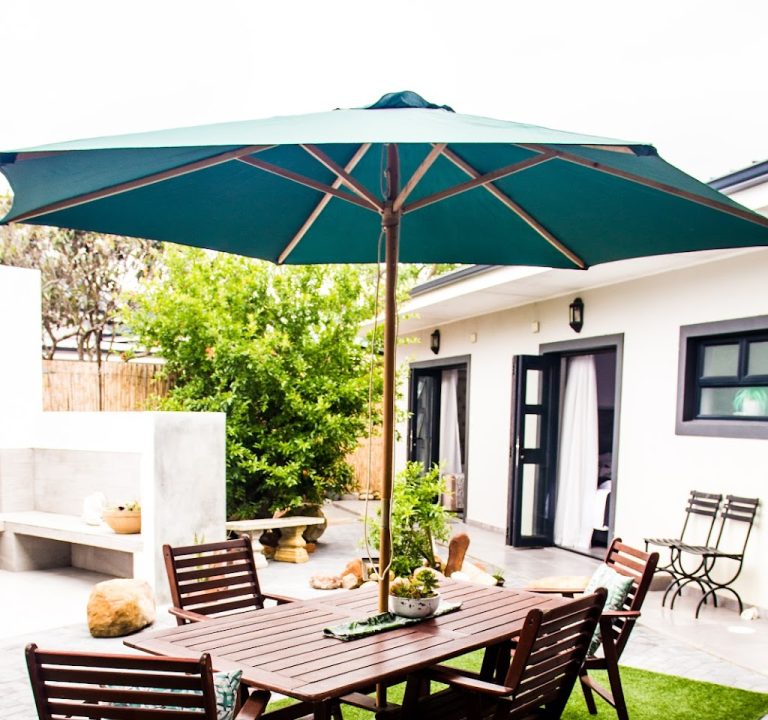
Staying in Cape Town: Where to stay, what to look for, and how to make the most of your visit
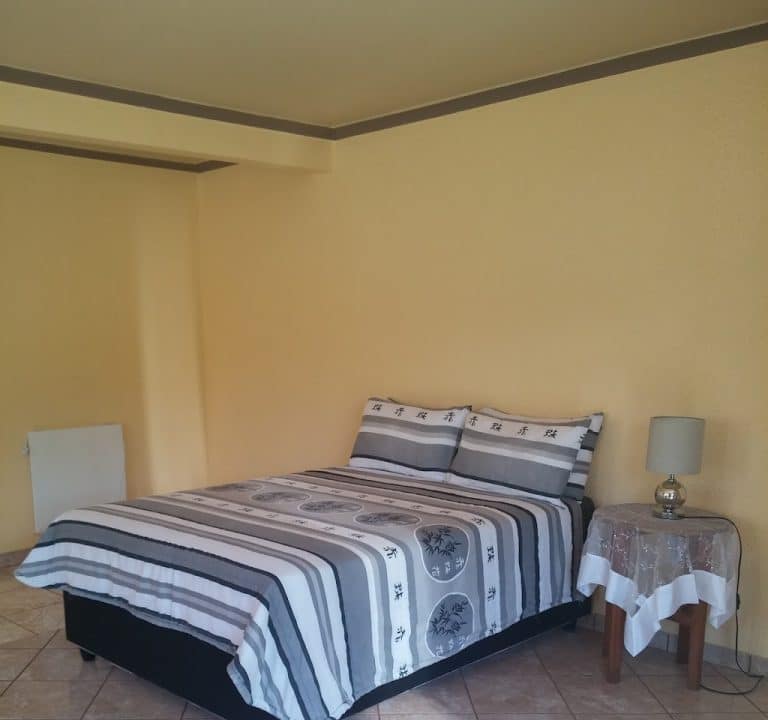
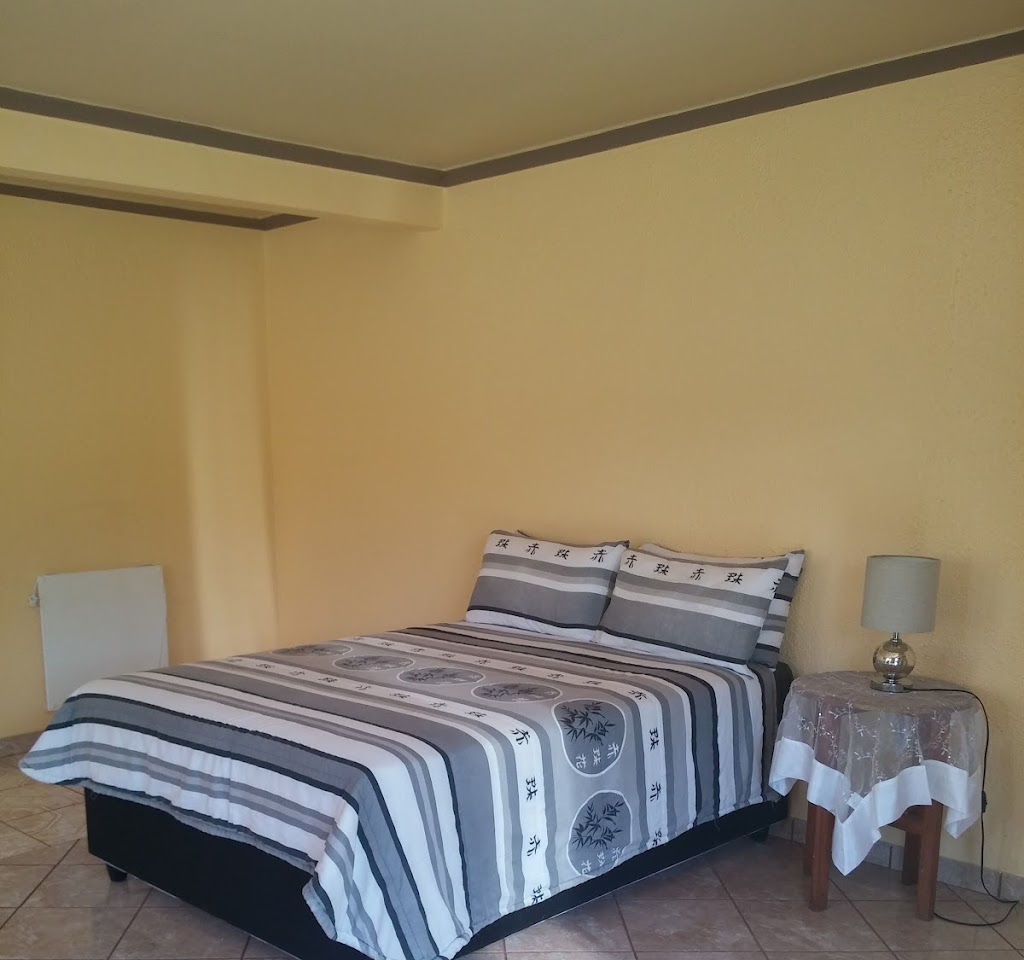
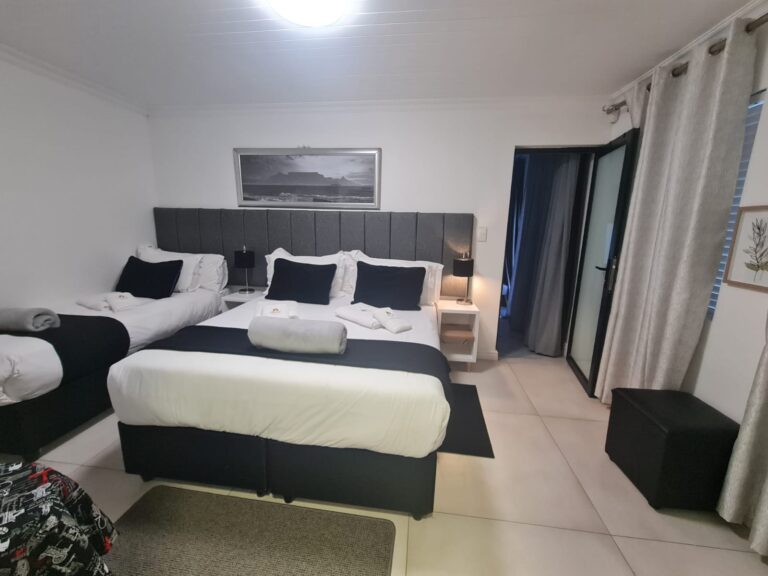
Cape Town offers a diverse tapestry of stays that suit a range of budgets and travel styles. From chic boutique guesthouses tucked into leafy neighbourhoods to self-contained city apartments with panoramic harbour views, the options make planning a stay a pleasure in itself. When choosing a base, consider what you want to be close to: the iconic Table Mountain and the city sights, or beaches along the Atlantic Seaboard, or the green hills of Constantia and the wine routes a short drive away. Local lodging services such as Kians’s Place accommodation Services (OCSAS) can help match guests with indoor lodging that aligns with personal preferences, whether you favour homely charm or contemporary convenience.
Areas to consider for your base:
- City centre and the V&A Waterfront: convenient for walking to museums, markets, and dining, with a range of apartment hotels and guesthouses. Easy access to public transport and taxis for evening excursions.
- Green Point and the Atlantic Seaboard: coastal views, athletic strolls along the promenade, and a mix of stylish boutique hotels and self-catering flats.
- De Waterkant and the Cape Town CBD fringe: a lively atmosphere with easy access to restaurants and nightlife, plus compact lodges and rooms in characterful buildings.
- Kirstenbosch and Constantia Valley: a quieter, leafy setting ideal for longer stays, wine-tasting day trips, and boutique guesthouses with garden spaces.
- Southern Suburbs and Clifton/Camps Bay: a resort-style feel with sea views, ideal for beach lovers and those seeking more space and privacy.
When booking, look for these typical amenities and features that help make a stay comfortable and convenient:
- Complimentary Wi‑Fi, in-room workspaces, and flexibility with check-in and check-out times.
- Well-equipped kitchens or kitchenette areas for self-catering, plus cosy common areas or outdoor spaces.
- Air conditioning or reliable cooling in warmer months, and proper heating for the cooler season.
- Secure parking or easy access to safe public transport, especially if staying outside the city centre.
- Integrated security, friendly staff or hosts, and clear information about local tips, transport, and safety.
Practical planning tips for a smooth stay:
- Transport: Cape Town has a mix of options. The MyCiTi bus network is a convenient, affordable way to move around the city, while Uber and reputable local taxi services cover late-evening travel. If you plan day trips to wine farms or the Peninsula, consider renting a car or booking organised tours that include transportation.
- Best time to visit: spring (September to November) and autumn (February to April) offer pleasant weather, fewer crowds in popular spots, and good photography light. Winter (June to August) is milder than northern destinations, but mornings can be chilly and visibility for mountain views can be damp.
- Booking smarter: compare properties by reviews and photos, check proximity to your planned activities, and read cancellation policies carefully. If you’re staying in a residential area, review noise levels and access to amenities like late-night food options or supermarkets.
- Safety and etiquette: respect local neighbourhoods, keep valuables secure, and follow guidance on safe walking routes, particularly after dark in less busy streets. Hosts or property managers can share practical advice on local safety considerations.
- Planning for time: Cape Town rewards slower pacing. Build in days focused on one or two experiences—like a scenic drive along the Atlantic coast or a morning hike up Table Mountain—followed by relaxed meals and exploration of markets or local eateries.
Attractions and experiences to consider as you plan your stay, in broad terms:
Icons of the region—such as the flat-topped mountain, sparkling harbour, and vibrant waterfront—are complemented by green enclaves, historic neighbourhoods, and a dynamic dining scene. Within a sensible radius of most central stays, guests typically arrange visits to natural landmarks, harbour cruises, and museum or gallery explorations. For meals, Cape Town seeks to balance seaside fish eateries, contemporary brasseries, and informal bistros that showcase local produce. Rather than relying on a single name or price, guests usually find a mix of casual cafés, family-run diners, and refined restaurants that suit every mood and budget.
Thoughtful planning for families, couples, or solo travellers often centres on a balanced itinerary that includes restful evenings at a comfortable base, with day trips that explore the wider Western Cape. For those using a stay as a hub, a well-situated apartment or guesthouse can offer easy access to markets for fresh ingredients, public parks for relaxed afternoons, and short passages to coastal walks or scenic viewpoints. Cape Town’s lodging sector rewards preparation and flexibility: a well-chosen base reduces transit time, leaving more hours for memorable experiences and restorative moments between adventures.
Whether you favour intimate guesthouses, well-appointed B&Bs, or stylish self-catering apartments, Cape Town invites visitors to tailor a stay around personal pace and interests. With thoughtful planning, your accommodation becomes a launchpad for discovering the city’s natural beauty, hospitable eateries, and the region’s enduring sense of place. For many travellers, the right combination of area, amenity, and accessibility transforms a visit into a seamless, enjoyable Cape Town experience.