Staying in Cape Town: where to base yourself, what to look for, and how to plan your visit
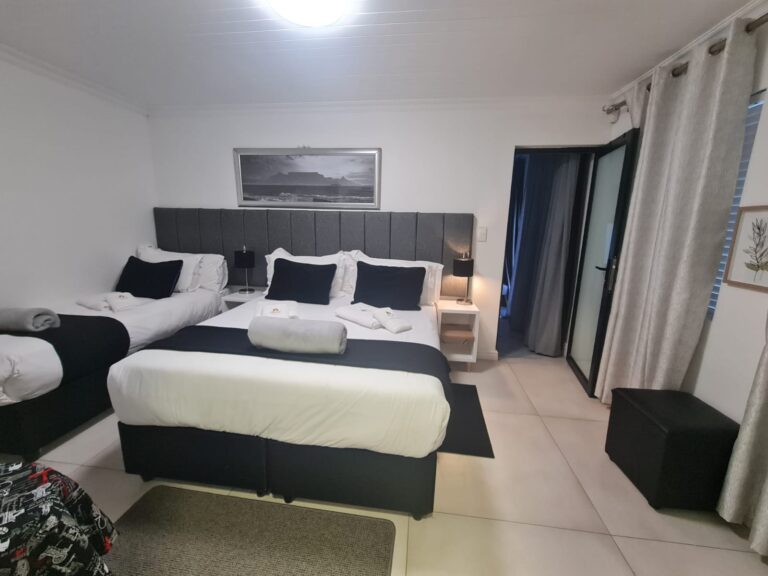
Cape Town offers a diverse mix of places to stay and a range of neighbourhoods that suit different styles of travel, from luxury coastal hotels to homely bed and breakfast overlooks. When planning a stay, it helps to think about what you want from your trip: beach access, easy access to sights, or a quieter escape among vines and forests. A good option to consider is a well-managed bed and breakfast such as MFK Bed & Breakfast, which can provide a comfortable home base with personalised touches.
Areas to consider for your base include the Atlantic Seaboard, the City Bowl, and the Constantia Valley, each offering a distinct flavour. The Atlantic Seaboard, with its scenic coastline, is ideal if you want easy access to beaches, sunrise views, and a lively dining scene. The City Bowl centres you near the city’s cultural attractions, markets, and a broad choice of restaurants, while Constantia offers a more relaxed, green setting with close proximity to wine estates and hiking trails. If you are visiting with family or seeking a more authentic residential experience, neighbourhoods such as Bo-Kaap or the V&A Waterfront area provide character and convenient access to major sights. Consider also whether you prefer a guesthouse with breakfast, a self-catering apartment, or a boutique hotel with on-site dining and spa facilities.
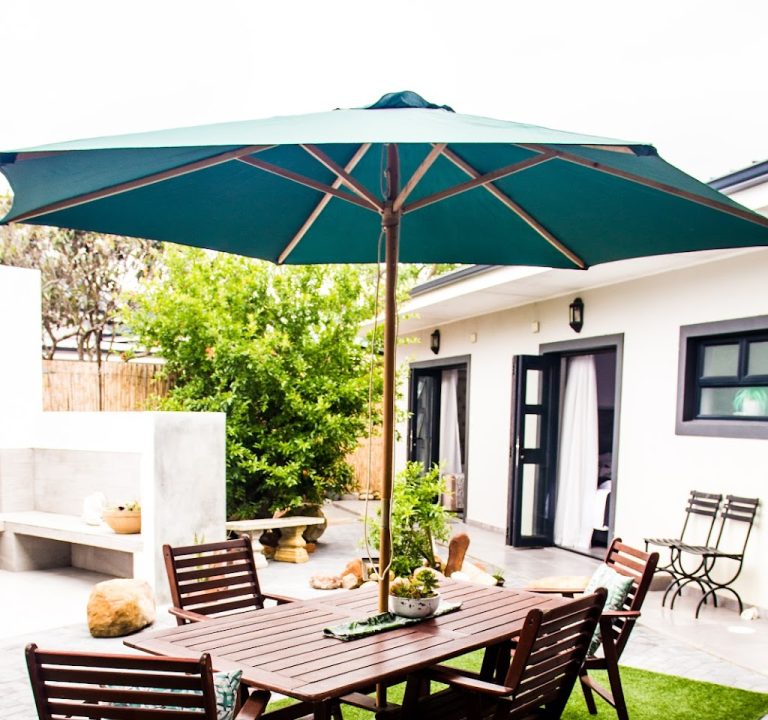
What to look for when booking in Cape Town involves balancing location, comfort, and value. Read recent guest reviews for honesty about noise levels, parcel deliveries, or access to street parking. Check for essential amenities such as reliable Wi‑Fi, secure parking, en-suite bathrooms, adequate heating or air conditioning, and a private outdoor space where possible. For coastal stays, a property with shaded outdoor seating or a pool can be especially appealing during hot, sunny days. If you plan to travel outside peak hours, confirm how easy it is to reach your day-trip destinations, whether by car, rideshare, or public transport.
Typical amenities to look for include a generous breakfast with hot options, flexible check-in times, and staff who can offer local tips on getting around. Many B&Bs in Cape Town are family-run and pride themselves on friendly service and personalised recommendations for restaurants, markets, and day trips. Some properties also offer guided tours or transfers to nearby attractions, which can be convenient if you want to maximise time without renting a car every day. If you are hiring a car, verify on-site parking arrangements and whether parking is included in the rate.
Transport in and around Cape Town is part of the experience. The city’s MyCiTi bus network provides straightforward urban connections, while Uber and other ride-hailing apps operate widely for evenings out or trips to the beach. If you plan to venture to the Cape Point or the Cape Winelands, a rental car remains the simplest option, especially for flexible schedules and countryside day trips. Some guesthouses offer shuttle services or can arrange day-long private tours, which may be a good fit if you prefer a more leisurely pace.
The best time to visit Cape Town depends on your priorities. The summer months (roughly October to March) are dry and sunny, ideal for beach days and outdoor activities, but do book well in advance during peak season. Spring and autumn bring pleasant weather and fewer crowds, perfect for hiking in the surrounding mountains or exploring gardens such as Kirstenbosch. Winter is cooler and wetter, which can be a good time for city museums, cosy restaurant reservations, and wine-tasting in nearby valleys when you want to escape the coast. Always check for seasonal events that may affect hotel availability or traffic.
Practical tips to help you plan a smooth stay:
- Book near the activities you want to prioritise, whether it is Table Mountain, the V&A Waterfront, or wine country day trips. Proximity can reduce transport time and help you enjoy more in a shorter stay.
- Request a room with good sound insulation if you are staying in busier neighbourhoods or near nightlife corridors.
- Pack layers, as coastal weather can change quickly, even within the same day.
- Respect local safety guidelines and keep valuables secure, especially when exploring busy markets or popular sightseeing areas.
- Ask your host for dining recommendations, including family-run eateries, markets, and casual spots that offer good value and a sense of local flavour.
When planning an itinerary, mix outdoor adventures with relaxed days in safe, scenic spots. A typical plan might include a morning hike or cable car ride up a hill for panoramic views, a lunch near the water, an afternoon visit to a cultural or historical site, and an evening at a restaurant or market that showcases a blend of coastal and inland influences. Cape Town is a gateway to nearby experiences, from scenic drives along the Atlantic coast to vineyard tours in the Winelands, all accessible with careful planning.
For a balanced stay, consider a base that offers both a comfortable room and friendly local knowledge, such as a B&B with a warm welcome and practical tips for daily travel. With thoughtful choices about area, amenities, and timing, your Cape Town visit can be memorable for its landscapes, cuisine, and hospitality as much as its iconic sights.