Accommodation, attractions and practical tips for a stay in Cape Town
Cape Town blends dramatic scenery with a rich mix of neighbourhoods, cuisines and experiences. Whether you are seeking stylish boutique stays, family-friendly guesthouses, or self-catering apartments near the coastline, the city offers a range of options to suit different budgets and travel styles. A stay near the harbour, the foothills of Table Mountain, or along the Atlantic seaboard can shape your daily pace—from sunlit strolls along the promenade to easy access to world‑class restaurants and cultural sites.
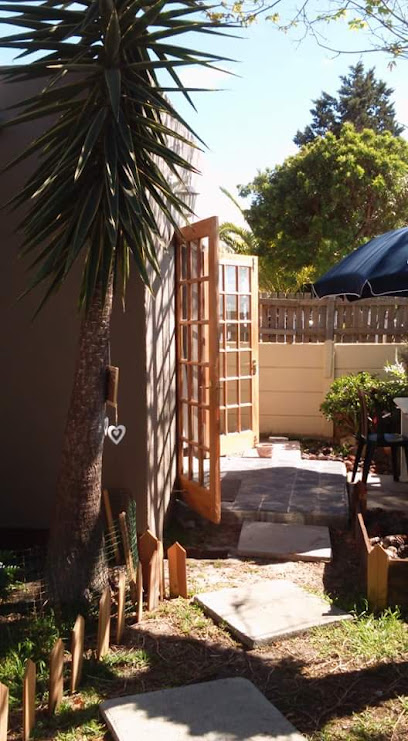
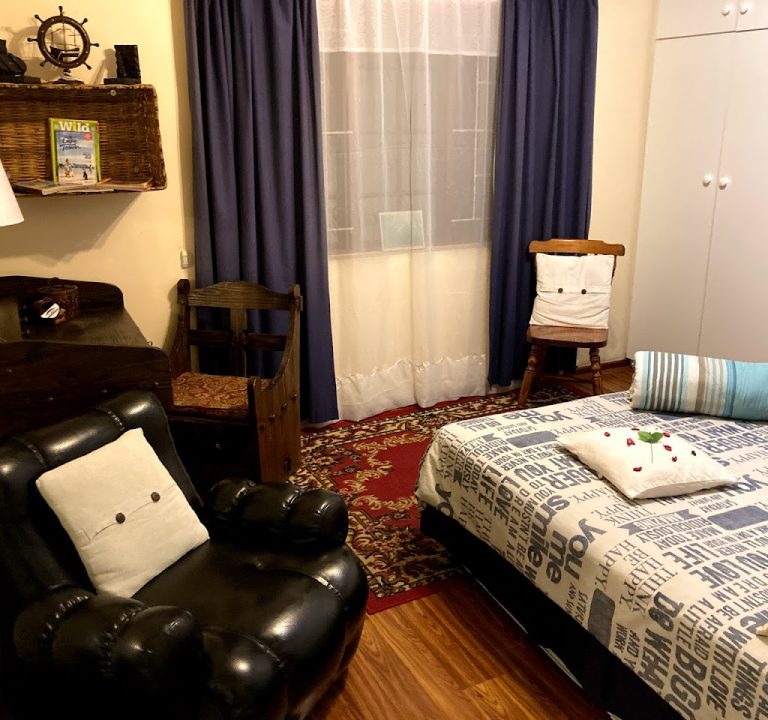
Accommodation in Cape Town ranges from boutique hotels and guest houses to self-catering units and lodges in the surrounding winelands. If you are considering a place like Avenue Bernard Guest House, a charming guest house option, you’ll appreciate a warm, intimate atmosphere and personal service that many travellers value when visiting a new city. When booking, look for spaces that clearly describe safety features, reliable Wi‑Fi, and clear self‑check‑in details, especially if you plan early morning departures or late arrivals.
Areas to consider for your stay:
- City Bowl and Gardens: Central, walkable streets, proximity to museums, theatres and stylish cafés. It’s ideal for visitors who want to be close to the action without a long commute to sights.
- V&A Waterfront and Green Point: Busy, lively locations with great access to harbour tours, beaches and family-friendly activities. Look for properties with good security and easy taxi or ride‑hare access.
- Atlantic Seaboard (Sea Point, Camps Bay, Clifton): Seaside vibes with stunning ocean views and easy beach access. Expect higher prices during peak season and plan for parking or limited road access in busy periods.
- constantia and the Southern Suburbs: Quieter, leafy neighbourhoods suitable for longer stays, wine routes and close proximity to half-day Gregorian or Kirstenbosch Botanic Garden visits.
When booking, consider what matters most for you: proximity to the attractions you’ll use most, access to public transport, parking availability, and pet‑friendliness if you’re travelling with animals. In Cape Town, you’ll typically find guest houses and small hotels offering a range of amenities, such as en suite bathrooms, private entrances, daily housekeeping, continental or full breakfasts, and sometimes self‑catering facilities or balconies with city views. Some properties may provide guided recommendations for local experiences, from scenic hikes to culinary tours.
Practical planning tips for your stay:
- Transport: The MyCiTi bus network is a convenient way to move around major routes, while rideshare apps are widely used for shorter hops and nightlife. If you plan day trips to the Cape Winelands or the Cape Peninsula, a rental car can offer flexibility, though expect steep hills and busy coastal routes in the peak season.
- Best time to visit: Spring (September to November) and autumn (March to May) generally offer milder weather and fewer crowds compared with peak summer. Winter can be quieter, though you may catch excellent value and dramatic coastal storms—perfect for dramatic photography and cosy evenings indoors.
- Safety and orientation: Cape Town is distinct in its geography and bustle. Keep valuables secure, ask hosts or staff for safe walking routes after dark, and use reputable transport options late at night. A well‑located guest house near major transport links can reduce evening delays.
- Meals and cuisine: South African hospitality shines in neighbourhood eateries and markets. Many accommodation options offer breakfast, and several areas boast a mix of upmarket restaurants and casual cafés showcasing local flavours and international influences. It’s wise to book popular spots in advance during peak travel months.
- Planning activities: From Table Mountain and Robben Island to botanical gardens and harbour cruises, combine natural beauty with cultural experiences. It’s practical to plan a few key priorities each day, leaving flexible time for a sunset walk along the coast or a leisurely afternoon in a neighbourhood market.
Popular experiences that suit many visitors include scenic drives along the Atlantic coast, easy access to beaches and coastal paths, and exploring the city’s diverse culinary scene. For a well‑rounded visit, balance nature‑driven adventures with cultural stops—galleries, markets, and historic districts offer insight into Cape Town’s heritage and contemporary energy.
Booking tips to help you secure a comfortable stay:
- Read recent guest reviews focusing on cleanliness, consistency of service, and responsiveness of hosts or staff.
- Check the cancellation policy and any seasonal surcharges so you can adjust plans without penalties.
- Ask the host about local transport options, recommended safe routes, and timeframes to reach major sights from your chosen base.
- Consider a mix of short stays in different neighbourhoods if you want to sample varied areas without long daily commutes.
In summary, Cape Town offers a flexible range of accommodation that can suit a wide spectrum of travellers, paired with a rich mosaic of attractions, dining options and experiences. A well‑considered base—whether near the waterfront, the hills around the city, or along the coast—can make your stay both enjoyable and efficient. With thoughtful planning, your visit to the Mother City can balance easy relaxation with memorable adventures, leaving you with lasting impressions of its landscapes, hospitality and vibrant neighbourhoods.