Cape Town: Accommodation, Attractions and Practical Tips for Travellers
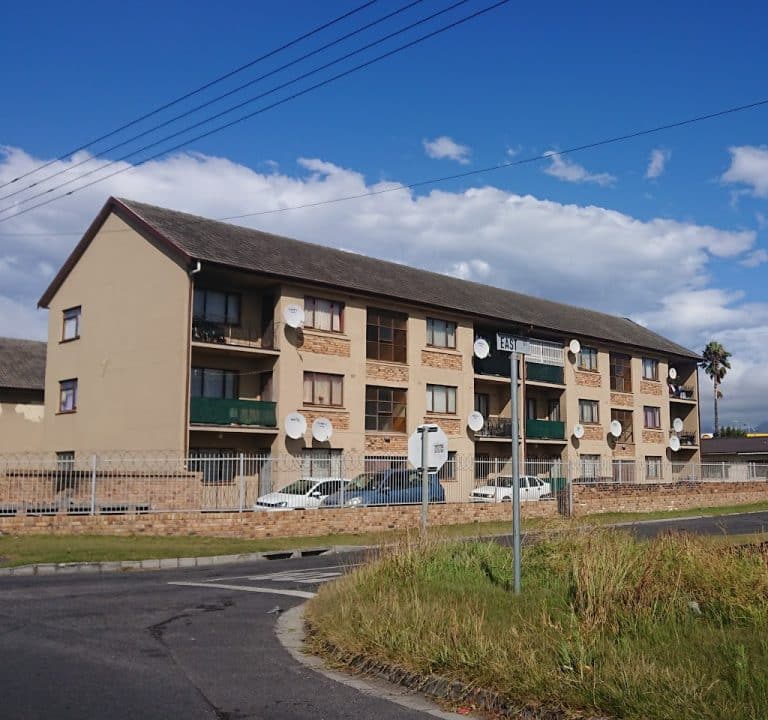
South Africa’s Mother City blends dramatic scenery with cosmopolitan culture, making it a popular destination for travellers seeking memorable stays and exhilarant experiences. Whether you favour a stylish apartment in a buzzy neighbourhood, a seaside lodge with panoramic views, or a boutique hotel tucked behind a palm-fringed terrace, Cape Town offers a wide spectrum of options for all budgets and preferences. For visitors based in Victoria Heights or surrounding areas, convenient access to both city centre attractions and coastal pockets makes it easy to tailor a stay around your interests.
When planning where to stay, consider the area’s character and practicalities. The city centre and the Foreshore are great for walkable access to business, dining and nightlife, with many serviced apartments and hotels catering to short breaks and longer stays. The Atlantic seaboard—think places near Sea Point, Bantry Bay, or Camps Bay—appeals to travellers chasing ocean views, sunset strolls, and beach days. Green-point and De Waterkant offer a vibrant mix of eateries and nightlife, while the southern suburbs and Victoria Heights provide quieter residential vibes with easy access to city arteries and the Table Mountain Cableway.
What to look for when booking your Cape Town stay:
- Location and access: A short walk to public transport or a reliable Uber/GoCar service can save time, especially if you plan to visit Table Mountain, the V&A Waterfront, or Kirstenbosch Gardens.
- Type of accommodation: Apartments with kitchen facilities are ideal for longer trips or groups, while boutique hotels or guesthouses often provide personalised service and local insights.
- Amenities: Look for secure parking if you’re driving, strong Wi‑Fi, air conditioning for warm days, and facilities such as a pool, gym, or on-site restaurant depending on your itinerary.
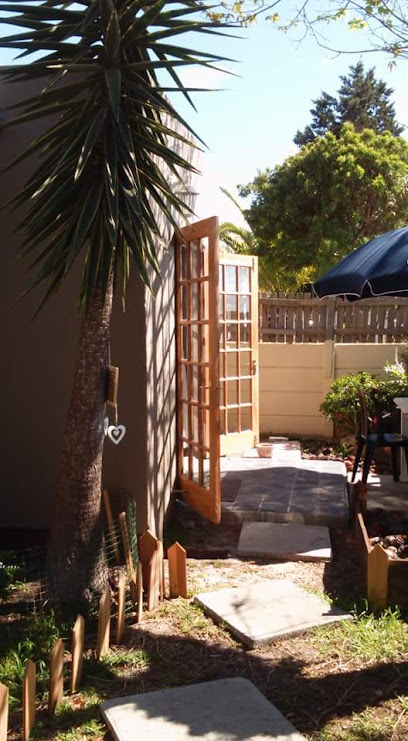
- Views and ambience: A sea or mountain view or a location with a leafy courtyard can significantly enhance your stay and photography opportunities.
- Access to off-site activities: Proximity to markets, hiking trails or nature reserves may influence your daily plans.
Typical amenities and features you may encounter include en-suite bathrooms, well-equipped kitchens, laundry facilities, free Wi‑Fi, and 24-hour reception or security. Many properties in Cape Town offer breakfast options, either continental or cooked, and some boutique stays provide a curated local dining experience or social evenings. If travel involves early starts for excursions, check whether an early‑bird breakfast or packed lunch can be arranged.
Transport and getting around are essential planning considerations. The city benefits from a relatively compact centre, but distances can be deceptive due to hilly terrain. Renting a car offers flexibility for exploring the Cape Peninsula, Boulders Beach, or scenic coastal drives, but many visitors prefer taxi or ride‑hailing services for city days. The MyCiTi bus rapid transit system serves popular routes between the city centre, Camps Bay, the V&A Waterfront, and suburbs, though timetables can vary by season. For mountain adventures, the Table Mountain Aerial Cableway operates weather‑dependent trips, so it’s wise to reserve a flexible plan or have backup indoor activities in case of closures due to wind or fog.
The best time to visit Cape Town depends on what you want from your trip. Spring (September to November) brings blooming gardens and milder temperatures, ideal for hiking and outdoor city tours. Summer (December to February) is peak season with longer days and lively beachfront atmospheres, good for beach days and harbour strolls. Autumn (March to May) delivers pleasant weather with fewer crowds, while winter (June to August) can be cooler and windier, but offers dramatic coastal scenery and lower prices in many accommodations. Consider shoulder seasons for a balanced combination of decent weather and more available rooms.
Practical tips for a smooth stay:
- Book ahead for popular periods, especially around holidays and major events, to secure preferred neighbourhoods and room types.
- Pack layers: Cape Town’s coastal climate can shift quickly from warm sun to cool breeze, particularly in the evenings on the Atlantic coast.
- Stay aware of safety and health basics: keep valuables secure, avoid poorly lit areas at night in unfamiliar districts, and drink bottled or filtered water where advised.
- Plan a balanced itinerary that mixes city experiences with nature. A day in the city can be complemented by a short drive to the peninsula, a hike in the surrounding mountains, or a visit to nearby wine lands for a day trip.
- Check cancellation policies and flexibility, as weather, maritime conditions, or seasonal fluctuations can impact plans.
Attractions and experiences to keep on your radar include a blend of cultural, natural, and culinary offerings. World-renowned vistas and hiking trails frame days spent exploring the iconic sights around Table Mountain and the Cape Peninsula. The waterfront and historic quarters offer galleries, craft markets, and harbour-side dining that emphasise fresh produce and seafood. Food lovers can expect a vibrant restaurant scene that emphasises farm-to-table ingredients, regional wines, and inventive African-influenced fare. For those seeking leisurely evenings, the city’s bars and lounges provide a mix of modern and classic atmospheres, with opportunities to sample local wines and craft beverages in relaxed settings.
Whether you allocate time for a boutique stay in Victoria Heights or another neighbourhood, Cape Town invites a well-rounded itinerary that pairs comfortable accommodation with accessible access to nature, culture, and cuisine. For planning ideas, practical booking tips, and current travel resources, you can explore official tourism information and reputable travel guides to tailor your stay to your pace and interests. A well-judged combination of neighbourhood choice, thoughtful amenities, and flexible planning can help you enjoy Cape Town’s diverse offerings with ease. For more inspiration and practical planning, see official tourism resources and reputable travel planning sites.