Cape Town: where to stay, what to see, and how to plan your visit
Cape Town offers a remarkable mix of scenery, culture and cuisine, with accommodation to suit every style and budget. From stylish city apartments to homely guesthouses and modern hotels, you can base your stay in areas that suit your itinerary and pace. A well-chosen neighbourhood can shape your experience—from dramatic coastal views to leafy wine routes, to historic streets of colour and character.
In the City Bowl and Carlton Centre areas you’ll find contemporary hotels, apartment hotels and boutique B&Bs within easy reach of museums, markets, and the theatre scene. The Atlantic Seaboard, including Camps Bay and Clifton, is prized for dramatic ocean views, long sandy beaches and a more relaxed, upscale feel. For a quieter pace and access to scenic hikes and vineyards, Constantia and nearby wine valleys offer guesthouses and self-catering apartments with tranquil surrounds. Bo-Kaap, with its terraced houses and rich heritage, provides a vivid base close to the waterfront and major city sights, while the Green Point and V&A precincts offer convenient access to the V&A Waterfront, stadiums, and entertainment venues.
When choosing accommodation, consider what you value most. If you want easy access to the city’s dining and nightlife, a central base in the City Bowl or Green Point can minimise long transfers. If beach time and sunset terraces are your priority, look to the Atlantic Seaboard. For a family-friendly or wine-focused stay, seek out properties in Constantia or nearby suburbs with parking and kitchen facilities. Vienna-style elegance in boutique hotels, modern serviced apartments, and traditional guesthouses each bring a distinct flavour to the stay, so read descriptions carefully to match your priorities.
Typical amenities you may encounter include en-suite bathrooms, Wi-Fi, tea and coffee facilities, air conditioning, and secure parking. Self-catering apartments and some guesthouses provide kitchens or kitchenettes, which can simplify meals after busy days of sightseeing. Many properties offer breakfast, either as a continental option or full-service, and some boutique hotels provide on-site dining experiences or easy access to nearby restaurants. If you’re planning longer stays, a property with a lounge area or a small kitchenette can be a real benefit for relaxing after a day of exploration.
Transport in Cape Town is straightforward but requires some planning. The MyCiTi bus network is a convenient way to move between key areas, while Uber and taxis are plentiful for door-to-door trips. If you plan to explore beyond the city centre—such as the Atlantic coastal towns or the Constantia wine route—consider renting a car for flexibility, or arrange organised day tours that pick you up from your accommodation. If you stay near the V&A Waterfront, you’ll be well placed for boat trips, harbour strolls and easy access to hop-on hop-off sightseeing coaches.
The best time to visit Cape Town depends on your priorities. The climate is mild for much of the year, with warm, dry summers (roughly November to February) and cooler, wetter winters. Summer brings longer days and excellent conditions for outdoor activities, beach time, and scenic outdoor dining. Spring and autumn offer pleasant weather with fewer crowds, ideal for hiking in Table Mountain National Park and exploring the city’s parks and markets. If you’re planning a wine-focused trip, consider combining your stay with a day or two in the nearby Constantia or Stellenbosch regions during the shoulder seasons, when traffic is lighter and the countryside is at its most vibrant.
When planning ahead, think about practical considerations to help you book with confidence. Read guest reviews for real experiences, especially about accessibility, noise levels, and the reliability of Wi‑Fi. Check cancellation terms and whether the property offers flexible rates in case plans shift. Confirm whether the accommodation has parking if you’ll hire a car, and whether breakfast options suit your timing. Look at the layout of the room or apartment—if you’re travelling with family or a group, multiple bedrooms, separate living space, and a kitchen can make a big difference. For longer stays, a property with laundry facilities is a real convenience.
Organised itineraries can help you balance city sights with natural beauty. Iconic experiences include a cable-car ride or hike up a nearby peak for panoramic views, a visit to the Kirstenbosch National Botanical Garden, and a day trip to the Cape Point and Simon’s Town/Boulders Beach area to see penguins in their natural habitat. Cultural experiences often involve guided tours of historic districts, markets, and cuisine-rich neighbourhoods that showcase Cape Malay flavours and contemporary South African dining. When choosing restaurants, you’ll find everything from casual coastal dining to refined, chef-led venues; aim to combine a couple of special meals with informal neighbourhood favourites to get a true sense of the city’s culinary scene.
- Prioritise a clear base with good transport links to reduce daily travel time.
- Look for flexible cancellation policies and honest guest feedback.
- Choose a property with the amenities that match your plans—kitchen facilities for self-catering, or a central location for walking access to sights.
- Plan a mix of outdoor activities and relaxed days to avoid travel fatigue.
- Book a stay near a reliable transport hub when possible, to simplify getting around.
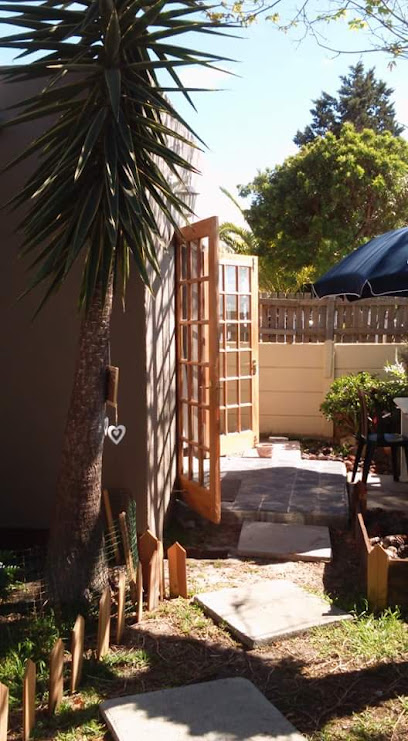
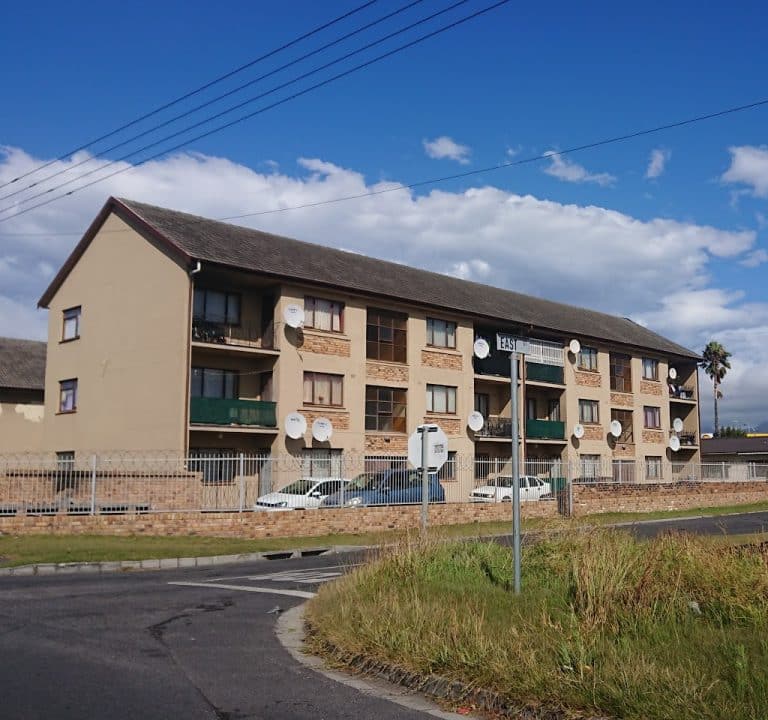
One example of accommodation that mirrors the range of options available is a blend of apartments and hotels under one umbrella, offering self-catering convenience with the services of a hotel. Such properties can be a practical choice for travellers seeking space, flexibility and reliable amenities, without sacrificing comfort during a Cape Town stay. With careful planning, your Cape Town visit can balance memorable city experiences with spectacular natural scenery, delicious dining, and a relaxed pace that suits your travel style.