Staying in Cape Town: a guide to accommodation, neighbourhoods, and local experiences
<p
Cape Town offers a broad spectrum of places to rest your head, from intimate guest houses tucked into historic neighbourhoods to modern boutique hotels with sea views. When planning a stay, think about what you want from your trip: array of activities, walkable streets, proximity to transport, and the kind of atmosphere you prefer after a day of exploring the city. A well-chosen base can make the difference between a rushed itinerary and a relaxed, immersive visit.
Neighbourhood choice matters as much as the room itself. The City Bowl and central Green Point are popular for easy access to the historic core, museums, cafés, and the nightlife scene. The Atlantic Seaboard, with its long stretches of coastline, offers a more relaxed vibe and spectacular views. Constantia and the surrounding valleys appeal to visitors who want a quieter stay with easy access to wine estates and green spaces. For a family-friendly approach, the southern suburbs provide roomier accommodation options and easier parking, while the Cape Flats resonant with cultural experiences and practical transport links.
When booking, consider the following factors to ensure a comfortable stay. Location relative to your planned activities is crucial, but also check the conveniences offered by your host or hotel. Look for on-site parking if you’ll be hiring a car, or reliable shuttle arrangements if you’d rather not drive. Consider the character of the accommodation: a guest house with a warm, personalised service can feel like a home from home, while a hotel with a contemporary design may suit travellers seeking predictable standards and facilities.
Typical amenities vary by type and price, but common features to look for include a private or en-suite bathroom, reliable wifi, secure entry, and a good breakfast offering. In Cape Town, many guest houses and boutique hotels also provide thoughtful extras such as terraces with harbour or mountain views, well-equipped kitchens or tea/coffee stations, and recommendations from hosts about must-see spots and local eateries. If you’re planning to travel with children, ask about family rooms or interconnecting spaces. For those visiting in winter, radiators or underfloor heating and hot water reliability can be important during cooler evenings.
Transport is an important practical consideration. Cape Town’s public transport system has improved over the years but remains limited in some areas. A car can provide the greatest flexibility for exploring the Cape Peninsula and wine routes. If you prefer not to drive, choose accommodation near MyCiTi bus routes or in areas well served by taxis and ridesharing services. Walking is feasible in compact areas such as the central city and the coast near the harbour, but be mindful of parking availability and safety when planning longer day trips.
The best time to visit Cape Town depends on your priorities. Spring (September to November) brings blossoming gardens and pleasant temperatures, while autumn (March to May) offers soft light and fewer crowds. Summer (December to February) is warm and ideal for beach days and outdoor activities, but can be busy and pricier. Winter (June to August) is cooler and often calmer in some parts of the city, though occasional rain can occur. Pack layers, sun protection, and a light rain jacket, particularly for coastal days where wind and mist are common.
In addition to places to stay, your itinerary will be enriched by selecting a few dependable experiences. The city’s attractions span natural beauty, history, and culture, from Table Mountain and the peninsula to museums and markets. Many visitors enjoy scenic drives along the Atlantic coast, coastal walks, and boat trips that reveal both coastline and city perspectives. When it comes to dining, Cape Town is renowned for its diverse restaurant scene, offering everything from casual eateries to refined venues that emphasise fresh, local ingredients. Plan a mix of casual meals and special evenings to sample the best of Cape Town’s flavours, while bearing in mind that many places operate on seasonal menus and can book up in peak times.
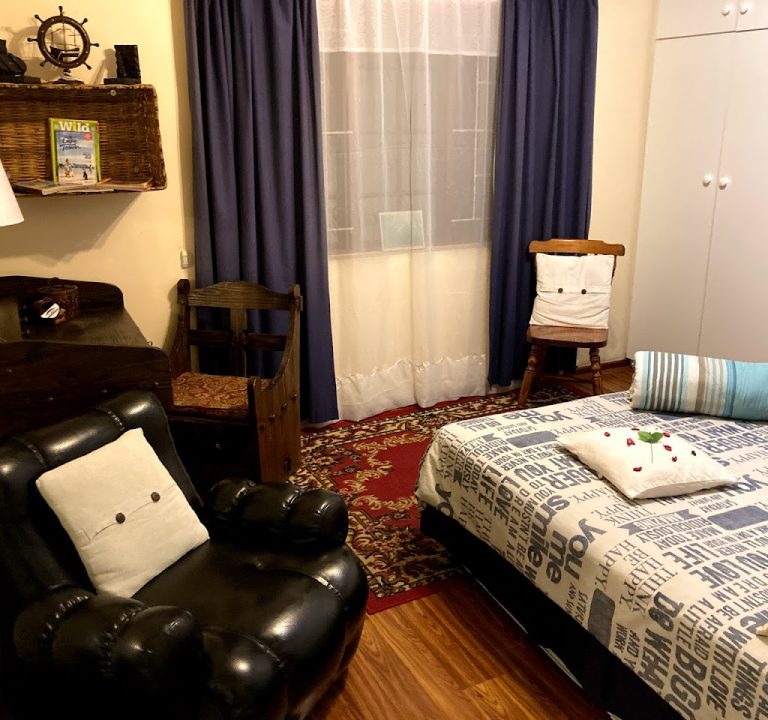
For guests staying at places such as 11 On Liberty Guest House, the small details can enhance the experience: a quiet location with easy access to public spaces, thoughtful room layouts, and hosts who can provide practical tips on transport routes and day trips. Even when staying in a compact guest house, you can enjoy a generous sense of hospitality and local insight that helps you feel connected to the city without being overwhelmed by logistics.
Planning tips to help you make the most of your stay:
- Research a few anchor areas and map out a realistic daily route to limit peak-hour travel time.
- Confirm breakfast arrangements and whether you can arrange early starts for countryside or harbour excursions.
- Ask about parking, security, and access to kitchens or common spaces if you value self-catering options.
- Check cancellation policies in advance given Cape Town’s popular travel periods and variable weather.
- Consult host recommendations for local markets, hidden viewpoints, and family-friendly activities.
Ultimately, a well-chosen stay in Cape Town blends a comfortable base with easy access to the city’s dramatic landscapes, cultural offerings, and culinary possibilities. Whether you favour a stylish coastal retreat, a characterful guest house in a historic neighbourhood, or a family-friendly home from home, thoughtful planning will help you balance time between restful moments and a broad spectrum of South Africa’s remarkable sights.