Discovering Cape Town: Accommodation, Attractions and Practical Planning
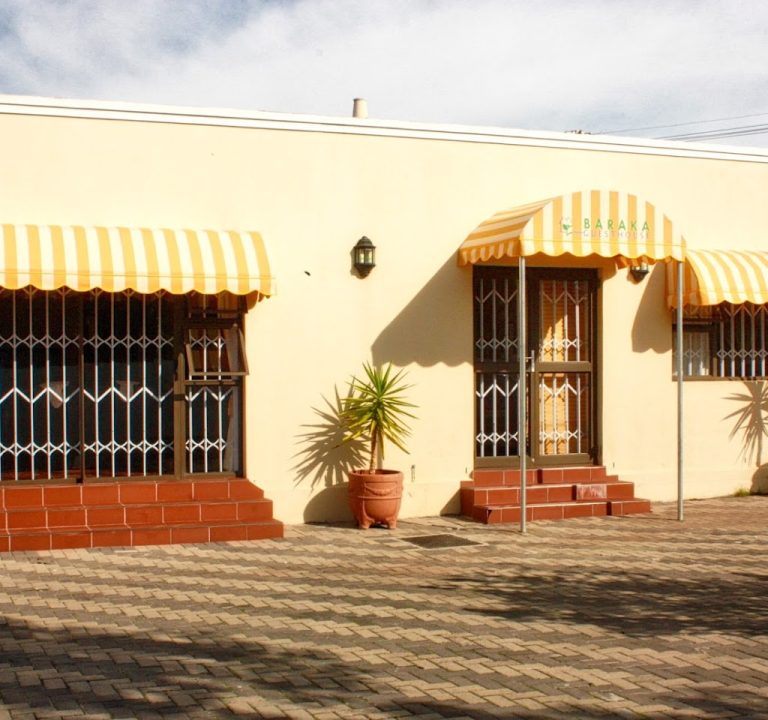
Cape Town, nestling at the edge of the Atlantic and crowned by Table Mountain, offers a diverse range of accommodation to suit every traveller. From cosy cottages tucked into leafy neighbourhoods to stylish boutique guesthouses with harbour views, the city provides options that can turn a stay into a true South African experience. When choosing where to stay, consider the rhythm of the day you’d like: a harbour-facing balcony at sunrise, a quiet courtyard in a mountain-framed neighbourhood, or a convenient base close to the city’s sights and transport links. A good option such as Di’s Cottage, if available, can provide a home-from-home feel with character and a sense of place, often within easy reach of public transport or walkable areas.
Areas to consider include the central City Bowl for access to museums, markets and nightlife; the Atlantic Seaboard for beaches and upscale dining; Constantia for leafy tranquillity and wine country proximity; and the Green Point/Media District for a modern vibe and easy access to the V&A Waterfront. For a quieter stay with scenic routes, the southern suburbs of Constantia and Southern Suburbs offer room to stretch your legs and begin scenic day trips. When planning, think about how you’ll get around. Cape Town’s MyCiTi buses, a reliable hop-on service in many parts of the city, plus Uber and local taxis, help you move between beaches, castles and hiking trails without relying solely on car hire. If you enjoy trains, a scenic ride along the Atlantic coast or into the winelands can be part of your itinerary, but plan in advance and check schedules as services vary by neighbourhood and season.
Typical amenities to look for include well-equipped kitchens or kitchenettes, reliable wi‑fi, secure parking or easy parking access, good security, and flexible check-in arrangements. Some guests favour a kitchen for self-catering breakfasts or light suppers after a day of exploring, while others prioritise a cosy lounge and a sunny balcony for evening wind-downs. If you’re visiting in peak season, a small terrace or communal outdoor spaces with shade can be highly valued, especially when aiming to enjoy Cape Town’s outdoor lifestyle. Don’t forget practical touches such as nearby supermarkets, laundries, and accessibility features if needed. When booking, verify cancellation policies, household rules, and whether hotel-style housekeeping or weekly cleaning is standard in longer stays. A well-run cottage or guesthouse will offer clear contact details, nearby tips for self-guided walks, and a friendly host who can point you to local markets and hidden courtyards.
Best time to visit Cape Town depends on what you’d like to do. The summer months (roughly November to February) are great for beaches and outdoor activities, with long days and lively markets. Autumn offers cooler, breezier days ideal for hiking up Table Mountain or around the Cape’s garden routes, while spring brings flowers to Kirstenbosch and nearby parks. Winter is milder than many destinations, but sea swims are briefer and rainfall is more frequent; it’s still a wonderful time to explore city museums, wine estates and indoor dining. Pack layers to cope with quick shifts in weather, especially if you plan early morning or late afternoon activities on the mountain or along the coast.
When planning your itinerary, mix natural beauty with cultural and culinary experiences. Iconic viewpoints and open-air trails provide stunning photo opportunities, while markets and neighbourhood eateries offer a sense of local life. For dining, aim to sample a spectrum of Cape Town’s cooking—from vibrant casual eateries to refined venues that showcase seafood, seasonal produce and modern flavours. You don’t need to chase celebrity-backed spots; instead, look for places with good neighbourhood character, fresh ingredients, and a relaxed approach to service. If you’re visiting with family or friends, you’ll appreciate venues with space to linger, light bites for day trips, and areas suited to groups.
Practical tips to help you frame a rewarding stay:
- Book mid-stay flexibility where possible, especially if you plan day trips to the Cape Winelands or the Cape Peninsula.
- Check transport options from your accommodation to the main sights, and consider a base with a short walk to a bus stop or taxi hub.
- Inspect room layouts, parking arrangements, and security features, particularly if you’re travelling with luggage or valuable gear.
- Look for hosts who can offer map-based tips, nearby markets, and hints on the best times to visit popular attractions to avoid crowds.
- Seasonality matters: some amenities may be limited during low-season; confirm what is available during your stay.
In summary, Cape Town rewards travellers who blend smart planning with a willingness to stray off the beaten track. Choose a neighbourhood that resonates with your pace—whether you want a bustling city base or a tranquil hillside retreat—and pair it with days spent exploring the natural landscape, enjoying the city’s warmth, and sampling its diverse dining scene. With a well-chosen accommodation, efficient transport, and a flexible itinerary, you’ll be well placed to experience the best of the Western Cape’s vibrant capital and its surrounding splendours.