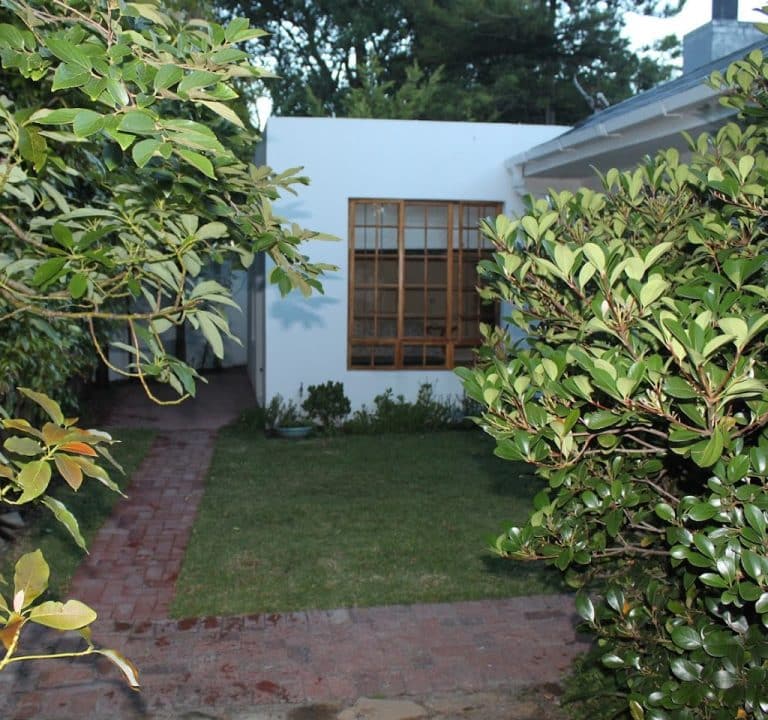
Accommodating Cape Town: Where to stay, what to expect, and how to plan your visit
Cape Town sits at the edge of the Atlantic and at the foot of iconic peaks, offering a balance of dramatic scenery, vibrant neighbourhoods and a rich array of dining and cultural experiences. When planning a stay, it helps to think in terms of the city’s distinct areas, each with its own character, pace and access to attractions. From polished hotels near the waterfront to boutique stays in leafy suburbs and coastal villas with sea views, there is something to suit most travellers and budgets.
For those seeking a base with convenience and urban energy, areas close to the city centre and the V&A Waterfront provide quick access to public transport, major sights and a range of restaurants. If you prefer magnificent views and a more relaxed vibe, consider the Atlantic seaboard towns, where upscale hotels and guesthouses cling to clifftops or hug the shoreline. Green, leafy residential neighbourhoods like Constantia, Rondebosch or Higgovale offer tranquil stays with easy access to nature trails, wine estates and historic sites. Finally, the southern suburbs such as Muizenberg, Kalk Bay and Simon’s Town present a blend of seaside charm and maritime heritage, with a slower pace and strong community feel.
When choosing accommodation, look for a few essentials that matter in Cape Town’s varied climate and travel style. A reliable backup power supply is useful for during load-shedding, while air conditioning or efficient heating can make stays comfortable across seasons. Check the proximity to reliable transport options—whether it’s convenient access to MyCiTi buses, easy taxi or rideshare pickups, or the possibility of arranging a comfortable airport transfer. If you plan to explore beyond the city, a place with parking or easy access to major routes will save time. Consider self-catering facilities if you want flexibility for early starts or family meals, and confirm whether local breakfast options are offered or nearby eateries are within walking distance.
Typical amenities vary by property type, but you can reasonably expect well-appointed bedrooms with quality bedding, private or semi-private bathrooms, and secure access. Many hotels and guesthouses offer on-site dining, lounge spaces, and concierge or front-desk services to help you plan day trips or book experiences. A swimming pool, fitness room or sun deck is common in coastal or resort-style properties, while rooms with private balconies or terraces are especially popular for sunset views over the Atlantic or the city panorama. For travellers seeking a more immersive stay, some properties can arrange guided walks, wine tastings or cultural tours that highlight local neighbourhoods and history.
Best time to visit Cape Town depends on what you want from your trip. Spring and autumn bring mild, pleasant weather and manageable crowds, making these seasons ideal for outdoor activities and scenic hikes. Summer offers longer daylight and lively seaside culture, but it can be busy, particularly around popular beaches and attractions. Winter tends to be cooler and windier, yet it is still a good time to enjoy city sights, museums and restaurants in a less crowded setting. If your itinerary includes vineyard visits or coastal drives, planning around the weather and sea conditions will help you make the most of the journey.
Transport options are varied and generally reliable, though planning ahead pays off. Public transport in the city is improving and expanding, but many travellers still favour private transfers or car hire for flexibility, particularly when visiting areas outside the immediate centre. If you choose to drive, be mindful of peak traffic times and parking arrangements at your accommodation. A organised tour or a hop-on, hop-off service can be convenient for first-time visitors, offering a structured overview of major sights and efficient routing between attractions.
When it comes to attractions and dining, Cape Town operates best with a balanced plan. Iconic sites such as Table Mountain and the coastline are weather-dependent and best experienced with a light itinerary that allows for alternates on less friendly days. Cultural experiences, markets, and galleries showcase the city’s diverse heritage and contemporary creativity. Dining ranges from casual eateries with bold flavours to fine dining that emphasises seasonal ingredients and local producers. Rather than concentrating on specific venues, approach each day with flexibility: seek recommendations from your hosts or property managers, check recent reviews, and allow room for spontaneous discoveries along scenic routes or along the Atlantic shoreline.
For accommodation like Old Horse Lodge, guests can expect thoughtful touches that ease travel: well-kept rooms with comfortable bedding, clear information about local transport links, and nearby hubs of activity. The surrounding neighbourhoods offer a mix of cafés, markets and relaxed strolls, making it easy to weave short walks into days of exploration. When planning a stay in any Cape Town hotel or guesthouse, consider a mix of nature-based activities, city sightseeing and culinary discoveries to create a balanced, memorable itinerary.
To help you organise your stay, here is a compact overview of areas to consider and what they tend to offer:
- City centre and V&A Waterfront – convenient access to sights, dining and transport; energetic atmosphere
- Atlantic Seaboard (including Camps Bay and Clifton) – scenic beaches, high-end stays, sunset views
- Constantia and southern suburbs – leafy tranquillity, wine estates, scenic drives
- Table Mountain vicinity – close to nature, hiking access, panoramic outlooks
Ultimately, a well-planned stay in Cape Town combines comfortable accommodation with well-timed day trips and a flexible dining plan. Book with a property that provides clear guidance on local transport, offers a robust cancellation policy, and supports guests with thoughtful amenities. With a little preparation, your Cape Town visit can blend spectacular scenery with energising city life, creating memories that linger long after you return home.