Accommodation and Experiences in Cape Town: Where to Stay and How to Plan
Cape Town is a city of contrasts, where sea meets mountains and urban buzz blends with tranquil harbour and countryside. When planning a stay, consider your priorities: proximity to the shoreline and views, access to the city’s cultural hubs, ease of public transport, and the kind of ambience you prefer—hotel chic, guesthouse charm, or self-contained cottages with a touch of home. Whether you are seeking a boutique stay overlooking the Atlantic or a cosy family-friendly base near the winelands, Cape Town’s diverse neighbourhoods offer appealing options for every traveller.
Common accommodation choices include hotels, guesthouses, B&Bs, and self-catering cottages. In recent years, many visitors have gravitated towards properties that pair comfortable rooms with either breakfast service or full culinary flexibility. For families or groups, private homes and small lodges often provide more space and kitchen facilities, while singles and couples may enjoy the convenience and service levels of mid-range to boutique hotels. When you book, think about what matters most: quiet hours, security, easy luggage handling, on-site parking, and whether the property suits your pace—whether you plan long days of exploration or a slower, restorative stay.
Key areas to consider when choosing where to stay include the Atlantic Seaboard for iconic views and quick access to beaches; the City Bowl for walkable dining and culture; Camps Bay’s fashionable coastline; Green Point near the V&A Waterfront for great transport links; and the central southern suburbs for easy access to wine routes and nature reserves. If you plan day trips to the Cape Winelands or the Cape Peninsula, look for properties with straightforward access to major routes and reliable transportation options. For a grand backdrop with easy access to hiking, coastal walks, and museums, a stay closer to the city centre or the foreshore can be ideal.
When reviewing listings, pay attention to typical amenities: reliable wifi, secure parking, daily housekeeping, air conditioning or heating, and a well-equipped kitchen if you are self-c catering. A comfortable bed and good blackout curtains are worth prioritising, given Cape Town’s bright mornings. Some guests value outdoor spaces—balconies, terraces or gardens—as well as convenient laundry facilities. If the property offers breakfast, check whether it is continental, cooked-to-order, or a combination, and whether there are nearby café options for variety. For families, ask about child-friendly features such as cribs, high chairs, and safe play areas.
Transport in Cape Town ranges from MyCiTi buses to Uber/Taxi services, with car hire useful for exploring beyond the city limits. If you do not plan to drive, choose a location within easy walking distance of eateries, markets, and hop-on-hop-off routes, and confirm that the property is near reliable public transport links. For drivers, consider properties with secure parking and easy access routes in and out of the city, especially during peak traffic times or during events. In some areas, a short walk to the coast or a hilltop vantage point is a straightforward way to enjoy views, while in others you’ll rely more on scheduled transport to reach top sights.
Best time to visit Cape Town depends on your priorities. The city enjoys a Mediterranean climate with warm, dry summers and cooler, wetter winters. The summer months (roughly November to March) bring long days and vibrant outdoor life, but this is also peak tourist season, when popular spots may be busier and prices higher. Shoulder seasons—late spring and autumn—often offer comfortable weather, less crowds, and good value. Winter can be mild but wetter, with occasional storms that bring dramatic skies and fewer crowds. Wherever you go, packing layers is wise, as coastal winds can be brisk and temperatures can shift quickly, particularly in the evenings along the coast or at higher elevations such as Signal Hill or Table Mountain National Park.
Practical tips to make the most of your stay:
- Book early for popular periods, especially over holidays and during peak months, and read recent guest reviews to gauge consistency in service and safety.
- Ask about luggage storage if you arrive before check-in or have a late departure; some places offer secure storage or access to communal spaces for a final day of sightseeing.
- Check for nearby grocery stores, coffee shops, and casual eateries to reduce dependence on long commutes for daily meals.
- Prepare for outdoor activities with comfortable footwear, sun protection, and a lightweight rain jacket for unpredictable coastal weather.
- Respect local guidance on safety and neighbourhood norms, particularly when moving between districts late in the day.
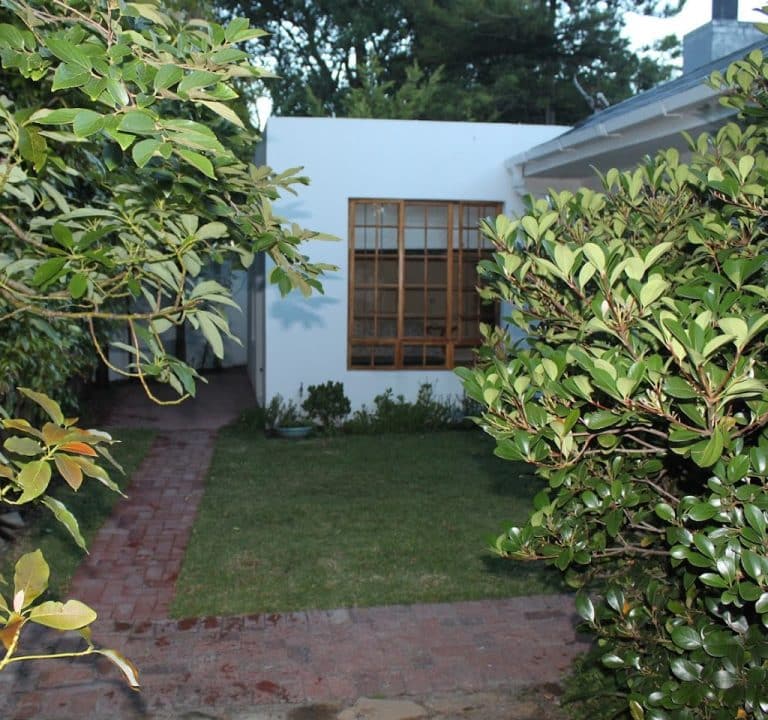
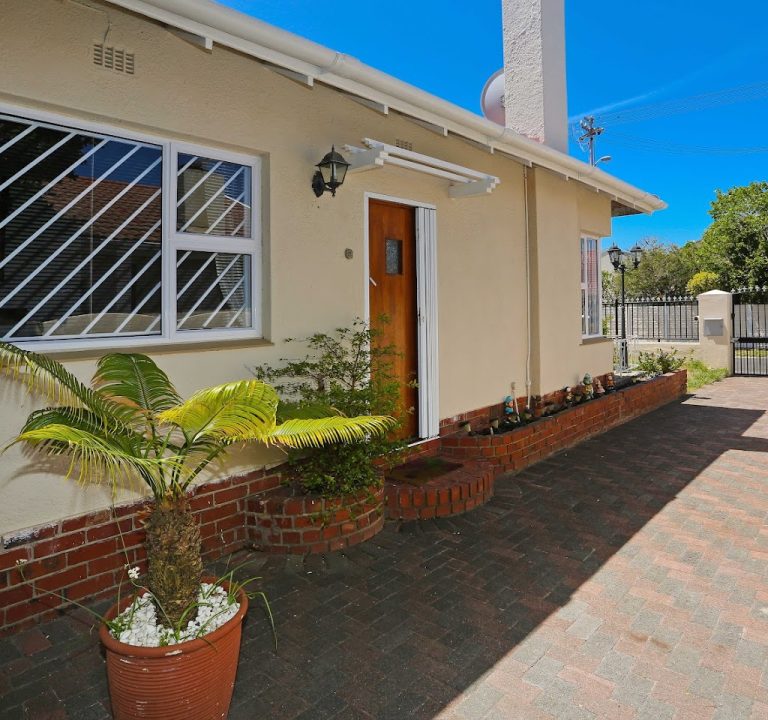
One example of a thoughtfully run stay that blends simplicity with local character is a boutique property that offers comfortable rooms, a friendly staff team, and a convenient location in Cape Town. For more information about a specific option, you can visit the establishment’s website, which provides details on room types, amenities, and booking terms. For instance, a property presented under the category of hotels and guesthouses may offer experiences designed to complement your stay, from comfortable lounge areas to easy access to transport routes and nearby attractions.
Beyond the door, Cape Town’s attractions are plentiful. Iconic viewpoints, beaches with long horizons, and the celebrated Table Mountain are perennial highlights, while markets, museums, and a diverse array of restaurants showcase the region’s rich cultural tapestry. To plan a balanced itinerary, consider alternating nature-based days with urban discovery—parklike spaces for a stroll, followed by evenings spent exploring eateries with views across the bay or the city’s illuminated skyline. For ongoing inspiration and practical information, you can explore the visiting options and services at local information sites and the property’s own web presence, such as GLee Cottages, which presents a small but dedicated example of the kinds of stays available in Cape Town.