accommodation and experiences in Cape Town: where to stay, what to expect, and how to plan your visit
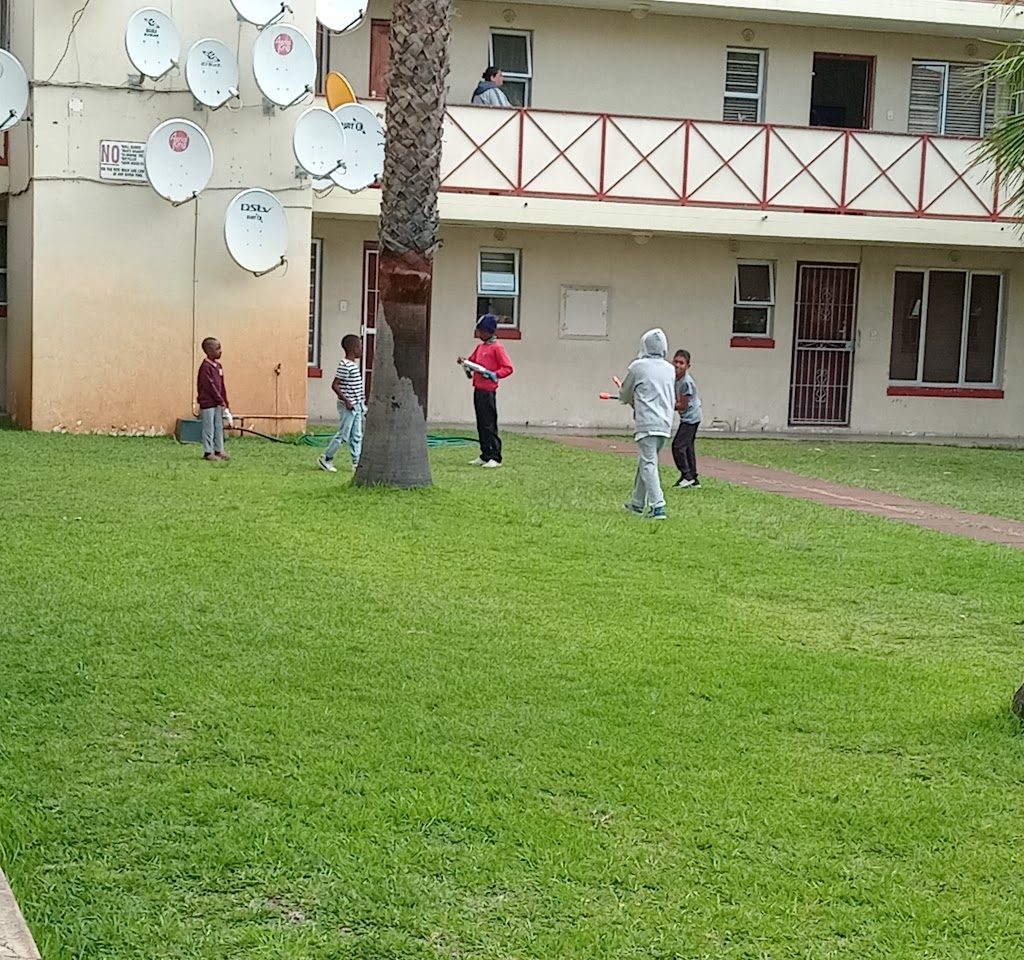
Cape Town is a city of contrast, encourage lingering in waterfront precincts, hillside suburbs, and bustling neighbourhoods that spill with colour, culture and cuisine. When planning a stay, the choice of area can shape your experience as much as the place you sleep. The city offers a wide range of options—from intimate homestays and characterful guesthouses to modern rooms in quiet apartment blocks and swish boutique hotels. For those interested in a homestay, Turfhall Mansions represents one of many local-style options that can add a personalised flavour to your trip.
Central to any Cape Town itinerary is balance. If you want easy access to Table Mountain and the V&A Waterfront, consider staying in the inner city or the central business district, where some properties open onto historic streets, markets and easy public transport links. For a more relaxed, family-friendly or scenic stay, the southern suburbs, including areas near the Atlantic Seaboard or leafy Table View, can offer sea views and beach access without the crowds. The inland corners, such as Constantia or Hout Bay, provide a different pace, often with wine routes, mountain views and larger properties.
When choosing where to stay, think about accessibility. Cape Town’s geography means that a short drive can feel longer during peak travel times. Look for rooms within walking distance to bus routes, MyCiTi stops, or Uber/ride-share options. If you plan long day trips to the Cape Winelands, the Cape Peninsula, or the Cape Point, it helps to pick a base with straightforward road links and clear directions to major routes.
Typical accommodation types you might encounter include:
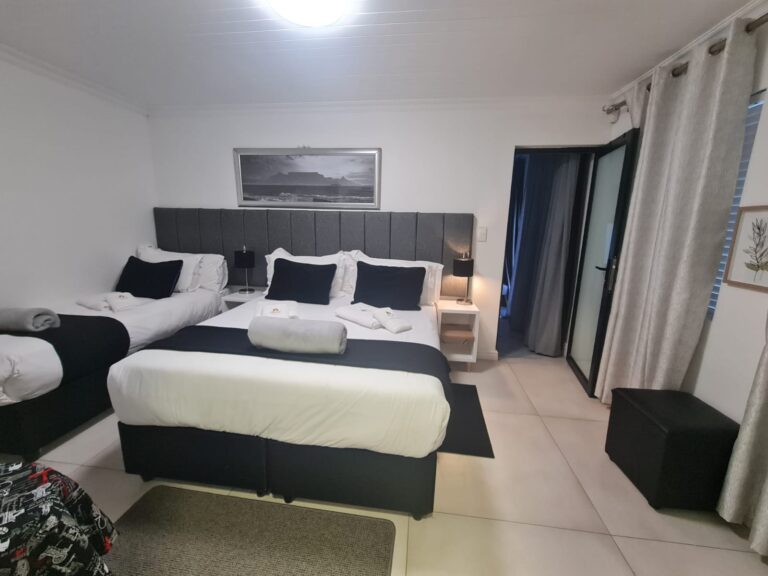
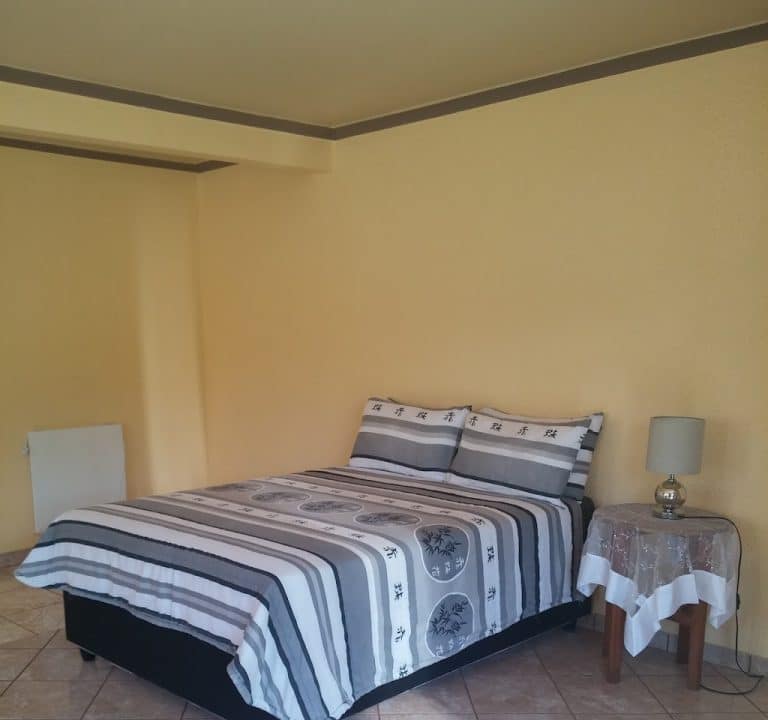
- Homestays and guesthouses that foster a home-like feel with breakfast included and hosts who can offer local tips.
- Boutique hotels in historic buildings, often with personalised service and thoughtful design.
- Self-catering apartments or cottages with kitchen facilities and private entrances.
- Modern hotel rooms in high-rise or coastal developments with on-site dining options.
Important amenities to look for include reliable Wi-Fi, secure parking or easy access to safe street parking, flexible check-in/out, and clear housekeeping arrangements. If you rely on a kitchen, confirm the equipment available and the proximity of supermarkets or markets. For families or longer stays, you may value lounge areas, washing facilities, and soundproofing to ensure a comfortable rest after a day of exploring.
Practical planning tips for a Cape Town stay:
- Check the best time to visit for weather and crowds. The city enjoys warm summers and mild winters; late spring and early autumn often offer pleasant conditions with fewer tourists.
- Consider self-catering elements if you enjoy preparing meals after days out exploring markets and seaside towns.
- Factor into your budget the costs of ferries, cable cars, guided walks, or day tours, which can enhance your experience but add to daily expenses.
- Always have a plan to travel between neighbourhoods safely, especially after dark. Use registered services or reputable tour operators for longer day trips.
Transport options include the MyCiTi bus network, which covers key routes across the city and surrounds, rideshare apps, and rental cars for more freedom. If you plan to explore the dramatic coastlines or Table Mountain's foothills, a car can be convenient, though parking in busy areas can be tricky. Many guesthouses and boutique hotels offer parking or can advise on nearby options, and some areas are best explored on foot or by bicycle when the weather permits.
Beyond the lodging, Cape Town offers a wealth of activities. Natural highlights include the iconic views from the top of Table Mountain, a visit to Cape Point for dramatic headlands, and the lush Kirstenbosch National Botanical Garden. Visitors often enjoy guided walks that cover the city’s geography as well as its history, including the vibrant cultural districts, markets, and coastline paths. For wine lovers, day tours to the Constantia, Stellenbosch, or Franschhoek wine routes are a popular add-on to a multi-day stay, with many operators offering convenient itineraries from central Cape Town.
Culinary experiences in Cape Town vary from casual seaside eateries to refined dining with global influences. While exact restaurant names and prices change over time, you can expect fresh seafood, regally prepared deserts, and modern takes on local flavours. Markets and neighbourhood eateries often showcase vibrant street food, artisanal goods, and opportunities to mingle with locals. When planning meals, consider a mix of restaurant dining and self-catering options to balance convenience with the adventure of trying new places.
For practical tips, start with a short list before you travel. Confirm check-in times and what is included with your booking, especially if you will arrive late. Pack layers for the coastal breeze—Cape Town can feel cooler near the water even on sunny days. Bring a good sunscreen and a hat for sea and mountain days. Consider a small waterproof jacket for sudden changes in weather, particularly if you plan to hike or take a cable car ride. Finally, leave some flexible time in your schedule to wander districts, sample quick bites at markets, and enjoy sunset views along the coastline.
To explore more about Cape Town and plan your stay, visit official tourism resources and credible travel guides for current recommendations, seasonal events, and up-to-date transport information. Useful starting points include city tourism sites and visitor information pages that describe accommodation types, transport options, and highlights across the Cape Peninsula and surrounding regions.