D’Aria Guest Cottages is a Guest house establishment in Cape Town, Western Cape, South Africa
About D’Aria Guest Cottages, Cape Town
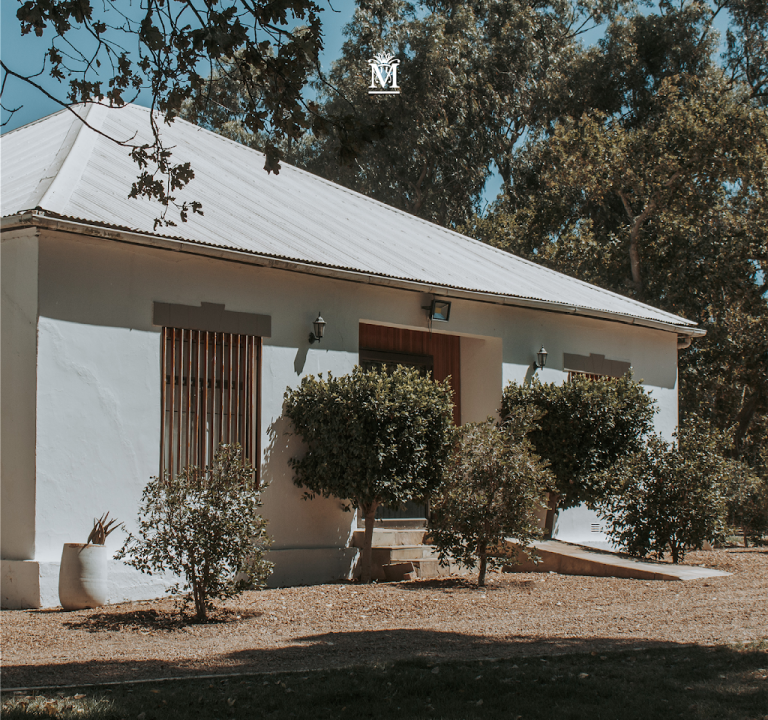
Nestled in the heart of Durbanville’s wine country, D’Aria Guest Cottages offer a tranquil retreat set within the grounds of a renowned winery. The accommodation presents a purposeful blend of vineyard ambience and contemporary comfort, making it an appealing base for travellers seeking both relaxation and easy access to Cape Town’s urban attractions. The cottages sit within a working estate known for its heritage and connection to the land, providing guests with a sense of place that complements the area’s celebrated wines and scenic surroundings.
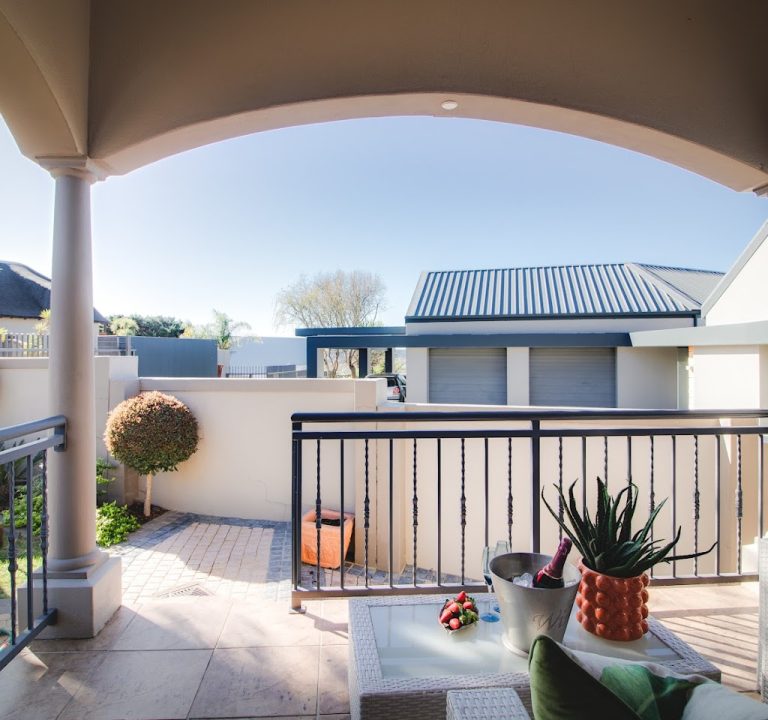
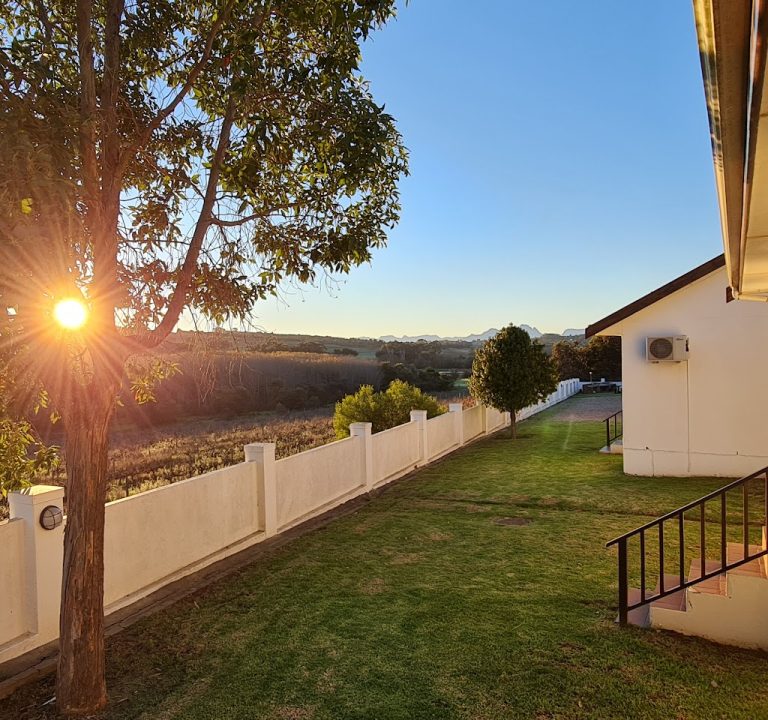
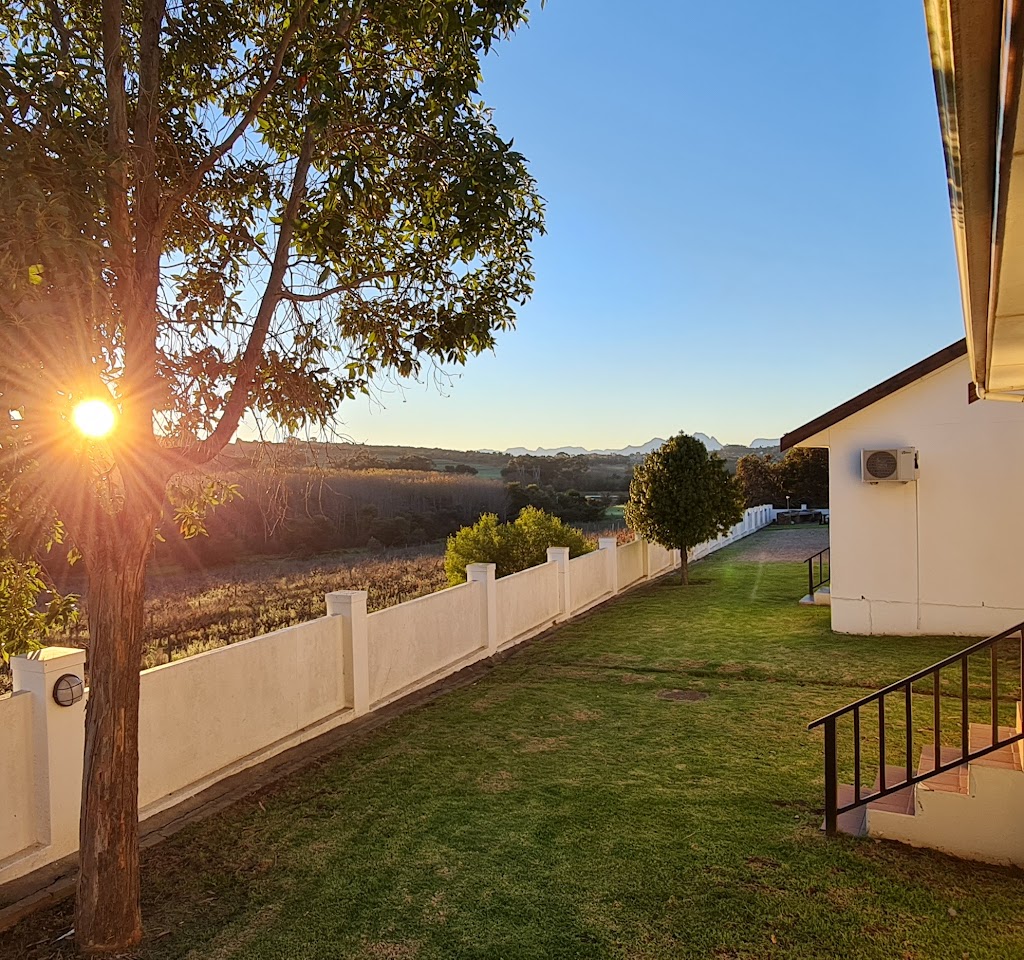
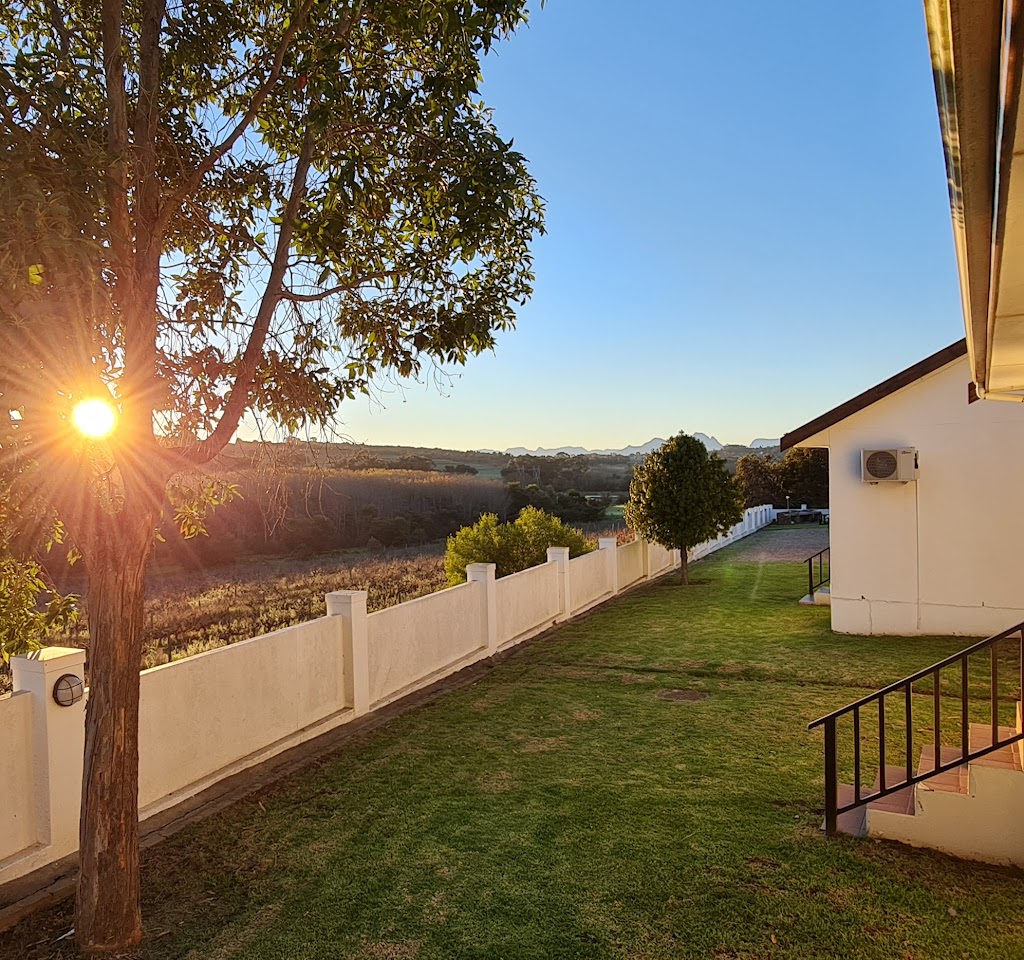
The property comprises a collection of 12 luxury self-catering cottages, designed to cater to a variety of stays—from weekend getaways to longer sojourns. Each unit is described as air-conditioned and thoughtfully appointed to accommodate up to four guests. The layout typically includes a double room and a twin room, offering flexible sleeping arrangements for couples, families, or small groups. The cottages are positioned to enable garden and vineyard views, with private verandas that invite al fresco moments amid the estate’s rolling greenery.
Inside, the cottages are equipped to support modern comfort and convenience. Guests can expect essentials such as a private bathroom setup, a living area, and in-cottage amenities that make self-catering straightforward. A welcome note from the setting itself emphasises a calm, time-slowing atmosphere—an environment well suited to those who wish to combine wine country leisure with the ease of home-like facilities. The presence of DSTV, Wi‑Fi, and a mini-bar fridge in each unit underscores a thoughtful approach to staying connected and comfortable, whether organising a day’s excursions or simply enjoying a peaceful evening by the vines.
Beyond the accommodation, D’Aria positions itself as a gateway to the broader Cape Town experience through its winery and estate offerings. The on-site tasting room is nestled among ancient oak trees, providing a serene backdrop for guided tastings that showcase the estate’s white, red, and sparkling ranges. Visitors can expect a tasting journey that highlights the winery’s heritage and craft, with scenic views of the surrounding vineyards enhancing the overall ambience. The winery’s story spans generations, rooted in historic farms and shaped by the terroir of Durbanville, merging tradition with contemporary winemaking artistry.
For guests planning celebrations or special stays, the cottages function as a discreet yet stylish home base from which to explore the region. The setting naturally appeals to travellers who value a peaceful environment that still offers access to the distinctive Cape wine country experience. While the focus remains on comfort and ambience within the cottages, the estate’s broader offerings—wine production, tasting experiences, and the winery’s historic narrative—provide opportunities to engage with the local terroir in a relaxed, heritage-filled context.
In terms of location, the cottages are described as being just 25 minutes from Cape Town, situating guests within reach of Cape Town’s iconic attractions while preserving the quiet charm of Durbanville’s vineyards. This makes the retreat well suited to those seeking a balance between city access and rural serenity. The surrounding area is known for its scenic coastal breezes and the classic Cape wine country landscape, inviting visitors to explore the region’s wine routes, vineyards, and related gastronomic experiences at a gentle pace.
Who might best appreciate a stay at D’Aria’s cottages? They are ideally suited to couples seeking a romantic vineyard escape, families looking for a comfortable self-catering base, and small groups of friends who wish to enjoy a wine-country setting without sacrificing home comforts. The self-catering format, combined with private outdoor space and vineyard views, supports flexible planning around winery visits, tastings, and leisurely meals on the estate.
Nearby highlights and travel tips help frame the stay without prescribing specifics not stated on the site. Guests can anticipate easy access to the estate’s wine varieties, with opportunities to participate in wine club membership experiences that promise ongoing discounts and exclusive tastings, should the itinerary align with personal interests. While exploring, travellers are advised to plan around the ambient pace of the region, allowing time to enjoy the vineyard vistas, the tasting room’s offerings, and the layered history that shapes D’Aria’s wines and estate.
Booking and practical considerations are straightforward through the estate’s online channels. The cottage accommodation is presented as a ready-made chrysalis for rest and renewal, with the reservation process designed to be clear and efficient. The on-site experience emphasises a self-contained stay complemented by access to the winery’s cultivated assets and the surrounding Cape Town neighbourhood’s attractions. For those seeking a refined, wine-forward escape that remains comfortable and approachable, the D’Aria Guest Cottages provide a cohesive package of lodging, scenery, and gastronomy.
- 12 luxury self-catering cottages
- Accommodates up to four guests per unit (double and twin rooms)
- Air-conditioned interiors with DSTV, Wi‑Fi, and a mini-bar fridge
- Private verandas with vineyard views and private braai area (barbecue)
- Proximity to Cape Town (approximately 25 minutes away) and to Durbanville wine country
Cape Town
Western Cape
7550
South Africa
Cape Town: A Guide to Accommodation, Areas, and Local Experiences
Cape Town offers a diverse mix of places to stay, from boutique guest houses and intimate cottages to stylish hotels with sea or mountain views. When planning a visit, consider which neighbourhood will shape your experience as much as the room you book. The city’s doorstep to the Atlantic Ocean, Table Mountain, and the Cape Winelands makes it easy to combine a restful base with day trips to world-class attractions and acclaimed eateries.
Areas to consider for your stay include the City Bowl for walkable access to historic streets, museums, and vibrant dining; the Atlantic Seaboard for dramatic coastline and sunset views; Constantia and the nearby wine routes for peaceful hillsides and cellar doors; and Durbanville, closer to winelands and a more relaxed pace. If you want to be within easy reach of beaches, choose Camps Bay or Clifton; for a blend of culture and convenience, Green Point and Mouille Point offer proximity to the V&A Waterfront and modern cafés. Luxury travellers may enjoy private guest houses with personalised service, while families often prefer self-catering cottages that feel like a home away from home.
When selecting accommodation, look for these features to ensure a smooth stay. Start with location relative to the activities you want to do—coastal mornings, mountain hikes, or winelands excursions all benefit from a well-placed base. Check access to reliable transport options, whether that’s on‑site parking, easy rideshare access, or proximity to bus routes. Clarify the type of room and sleeping configuration, especially if travelling with children or groups. Amenities such as air conditioning, Wi‑Fi, a private outdoor space, and a kitchenette or minibar can make a big difference on longer stays. In Cape Town’s climate, a comfortable indoor living area paired with outdoor options is ideal for enjoying the terrace or garden after a day of exploring.
Typical accommodation offerings include a mix of guest houses, self-catering cottages, and boutique hotels. A guest house may provide a warm, intimate atmosphere with morning breakfasts and personalised service. Self-catering cottages, such as those found on wine estates, offer flexibility for families or longer breaks, with en-suite bedrooms, kitchen facilities, and private verandas overlooking vineyards or gardens. In the Cape Town region, many properties emphasise design that blends indoor comfort with outdoor living, often featuring shaded verandas, braai facilities, and scenic views of mountains or the sea.
Transport planning is important in Cape Town. If you’re staying outside the city centre, a car is convenient to access the Winelands, Kirstenbosch, and coastal towns. If you prefer not to drive, check whether your accommodation offers shuttle services or has partnerships with reputable tour operators. The MyCiTi bus network serves the inner city and extensive coastal zones, while Uber and other ride-hailing options are widely used. If you’re exploring vineyards, a guided day tour can take the stress out of navigating unfamiliar roads and wine-tasting logistics.
Best time to visit Cape Town spans spring and autumn (September to November and March to May), when the weather is temperate and crowds are typically lighter than in peak summer. Winter brings cooler weather and the possibility of rain, but it can be a great time for enjoying indoor experiences, galleries, and wine tastings. Summer holidays are popular for beaches and outdoor markets, but plan and book ahead for peak periods to secure preferred rooms and rates.
Practical traveller tips to make the most of your stay:
- Book accommodations with flexible cancellation policies where possible, especially if your itinerary may shift with weather or travel plans.
- Choose properties with clear security measures and good lighting in outdoor spaces, particularly if you plan evening activities near the waterfront or in busy districts.
- Look for self-catering options or rooms with a small kitchen or minibar for light meals or snacks after late-day activities.
- Check access to nearby attractions and walking routes; Cape Town can involve steep climbs or uneven terrain in some areas.
- Explore a mix of experiences—coastal walks, a hilltop viewpoint, a visit to a wine estate, and a casual restaurant scene that showcases Cape flavours without being tied to a single name or price point.
As a complementary part of your stay, Cape Town’s neighbourhoods offer a range of dining and leisure possibilities. In addition to the city’s landmarks, you can enjoy cosmopolitan eateries with seasonal menus, casual cafés along the coast, and wine estates offering scenic verandas and guided tastings. For those seeking a more immersive stay, consider a cottage or guest house on a wine estate, such as D’Aria’s vineyard cottages, which combine self‑catering comforts with vineyard views and easy access to the surrounding Durbanville wine country. They provide a peaceful base within reach of Cape Town’s extraordinary landscapes and experiences, while still being close enough to the city for day trips.
When ready to plan, visit conventional travel listings or the accommodation’s official site to review room types, rates, and direct booking options. You’ll want to confirm policies on occupancy, housekeeping, and any on-site amenities that support your travel style. With a thoughtful choice of area, a well‑equipped base, and a plan that blends nature, culture, and cuisine, a stay in Cape Town can be a balanced, memorable chapter of your South African journey.
Sorry, no records were found. Please adjust your search criteria and try again.
Sorry, unable to load the Maps API.
Why Claim Your Listing?
Claiming your listing on the B&B Finder directory website is a valuable opportunity for business owners. Here are five reasons why you should consider claiming your listings:
Control Over Business Information: By claiming their listing, business owners can ensure that all the information presented is accurate and up-to-date. This includes details such as contact information, address, pricing, and available services or amenities. Accurate information helps prevent customer confusion and improves overall satisfaction.
Enhance the Listing: Once a listing is claimed, owners can enhance it by adding more comprehensive information and rich media, like high-quality photos and videos. These additions can make the listing more attractive and engaging to potential customers, thereby increasing the likelihood of bookings.
Marketing Opportunities: Claiming a listing can also open up additional marketing opportunities. Owners may be able to participate in promotional campaigns, special offers, and other marketing activities organized by the directory. This can increase visibility and attract more customers to the business.