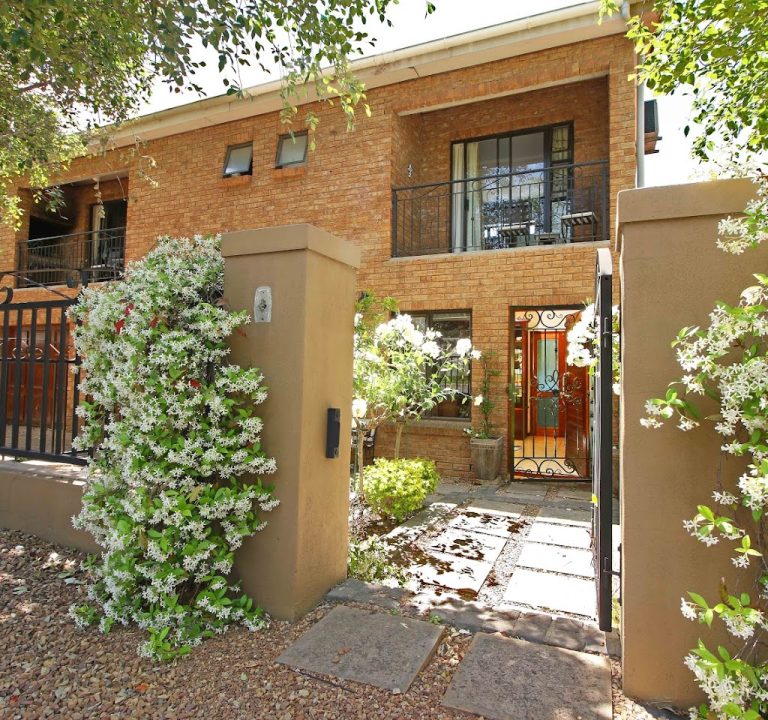
Cape Town accommodation and planning your stay: where to find comfort and what to do
Whether you are seeking a cosy guest house, an stylish hotel, or a boutique lodge, Cape Town offers a rich mix of places to stay that suit a wide range of budgets and itineraries. The city’s varied geography means you can wake up with ocean views one day and be mountain-side the next, while its neighbourhoods offer distinct atmospheres—from buzzy urban quarters to tranquil, leafy enclaves. Planning a stay with a balance of comfort, convenience and access to attractions will maximise your time in this dynamic part of the Western Cape.
Areas to consider when booking include the Atlantic Seaboard and City Bowl for proximity to the Cape’s beaches, iconic viewpoints, and world-class dining; the Constantia Valley for a wine-dominated, laid-back countryside feel with easy access to nature trails; and the Cape Town fringe areas such as Green Point, or the leafy suburb of Tamboerskloof, which can provide a quieter base while still being within easy reach of central sights. For those who want a blend of great meals, wine experiences and easy day trips, the Cape Winelands towns like Stellenbosch and Franschhoek are excellent complements to a city stay. If your itinerary leans toward outdoor adventures and dramatic scenery, consider accommodations closer to Kirstenbosch Botanical Garden or along the coastal routes toward Kalk Bay and Muizenberg, where public transport links and ride-hailing services connect you to the broader metropolitan area.
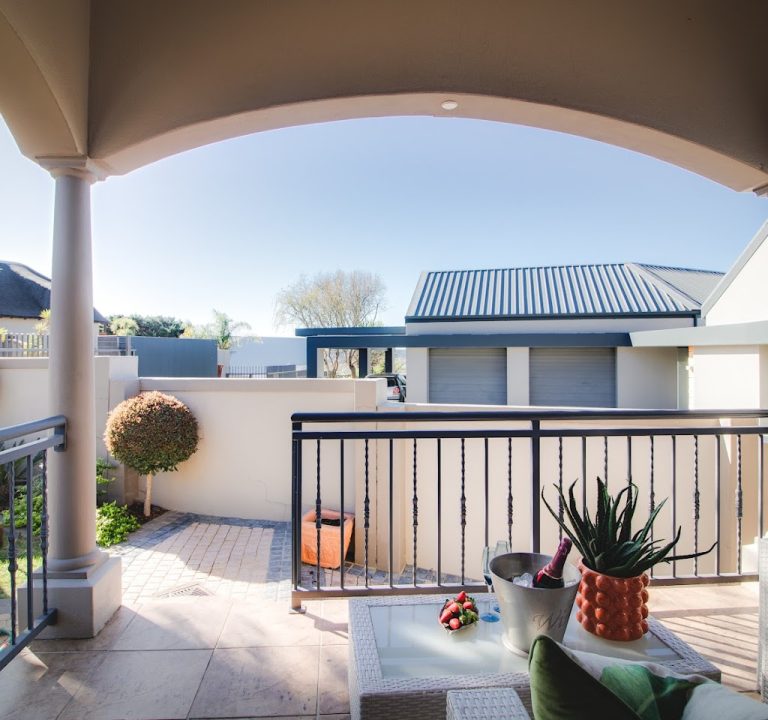
When choosing accommodation, look for options that align with your travel style. If you value open-plan spaces and natural light, seek properties with large windows and a veranda or balcony. If you’ll be exploring by car, verify parking availability and security. For those who prefer walking or easy transit to main sights, a location near MyCiTi bus stops, train networks, or rideshare proximity can save time and effort. In guest houses or boutique properties, consider what the host can offer in terms of insider tips—the best routes to Table Mountain, the tastiest nearby coffee spots, or recommended day trips to the Winelands or the Cape Peninsula coastal drive.
Typical amenities to expect include secure parking or easy street parking, free Wi-Fi, bed configurations suited to couples, families, or solo travellers, and a reputable in-room refreshment option such as tea and coffee facilities. A good bed quality is worth prioritising, as is a well-appointed bathroom with reliable hot water. Some properties may offer heated pools, outdoor spaces, or easy access to garden areas, which can be a welcome retreat after a day of sightseeing. Breakfast arrangements vary—some guest houses include a traditional cooked breakfast with homemade items, while others offer continental options or a concierge-led dining plan. If you value a personal touch, guest houses and small lodges often provide tailored recommendations and a more intimate guest experience than larger hotels.
Transportation around Cape Town is manageable but can require a little planning. If you’re staying near the city or the Atlantic Seaboard, Uber or other ride-hailing services are widely used, and many hotels and guest houses also offer shuttle options or can arrange private transfers. Hire cars are useful for day trips to the Winelands or along the scenic coastal routes, but driving in peak city traffic requires patience. Consider a plan that combines public transit for city sightseeing with a hire car for day trips out of town. If you prefer a more sustainable approach, some properties provide bicycles or organise guided walking tours to key attractions.
Best time to visit Cape Town depends on your priorities. The summer months (December to February) are popular for dry, sunny weather and beach days, but can be busy. Spring (September to November) and autumn (February to April) offer pleasant temperatures and fewer crowds, while winter (June to August) brings cooler weather and the possibility of rain, which can be comfortable for museum visits and enjoying warm, hearty meals indoors. Coastal trips and hiking remain rewarding year-round, though be prepared for wind on exposed shores. Pack layers, a light waterproof for sea breezes, and sensible footwear for walking or hiking in the Table Mountain region.
Practical tips to help you make the most of your stay include planning a two-phased itinerary: a city day for markets, museums and coastal walks, followed by a day dedicated to either the Winelands or the Cape Peninsula for scenic drives and wildlife-viewing experiences. If you intend to visit Robben Island, Table Mountain (via the cable car or the hiking routes), and Kirstenbosch Gardens, allocate time in your schedule for queues and weather-related delays. Booking in advance is advisable for peak periods and popular dates. Consider a stay that offers flexible cancellation terms and clear information about check-in times, housekeeping schedules, and security features in the area.
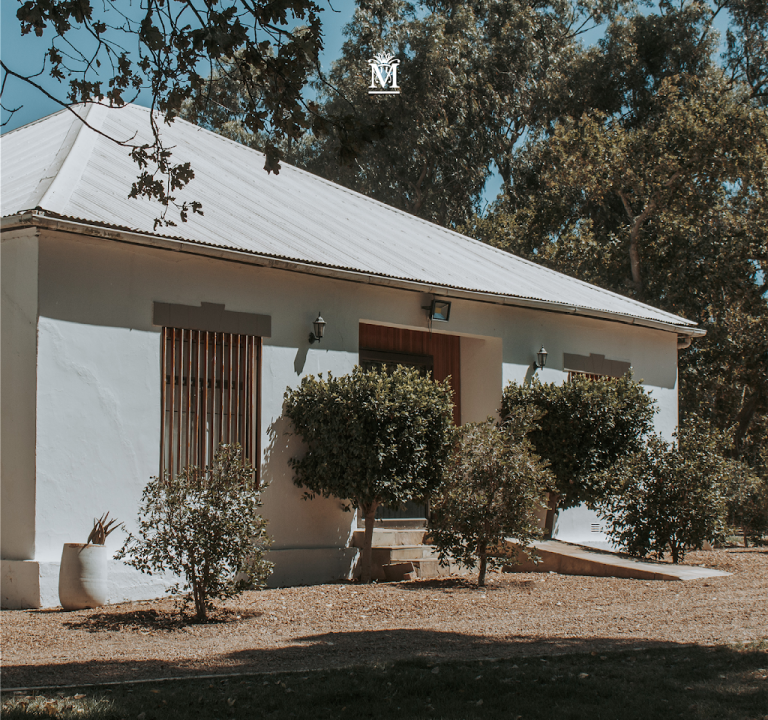
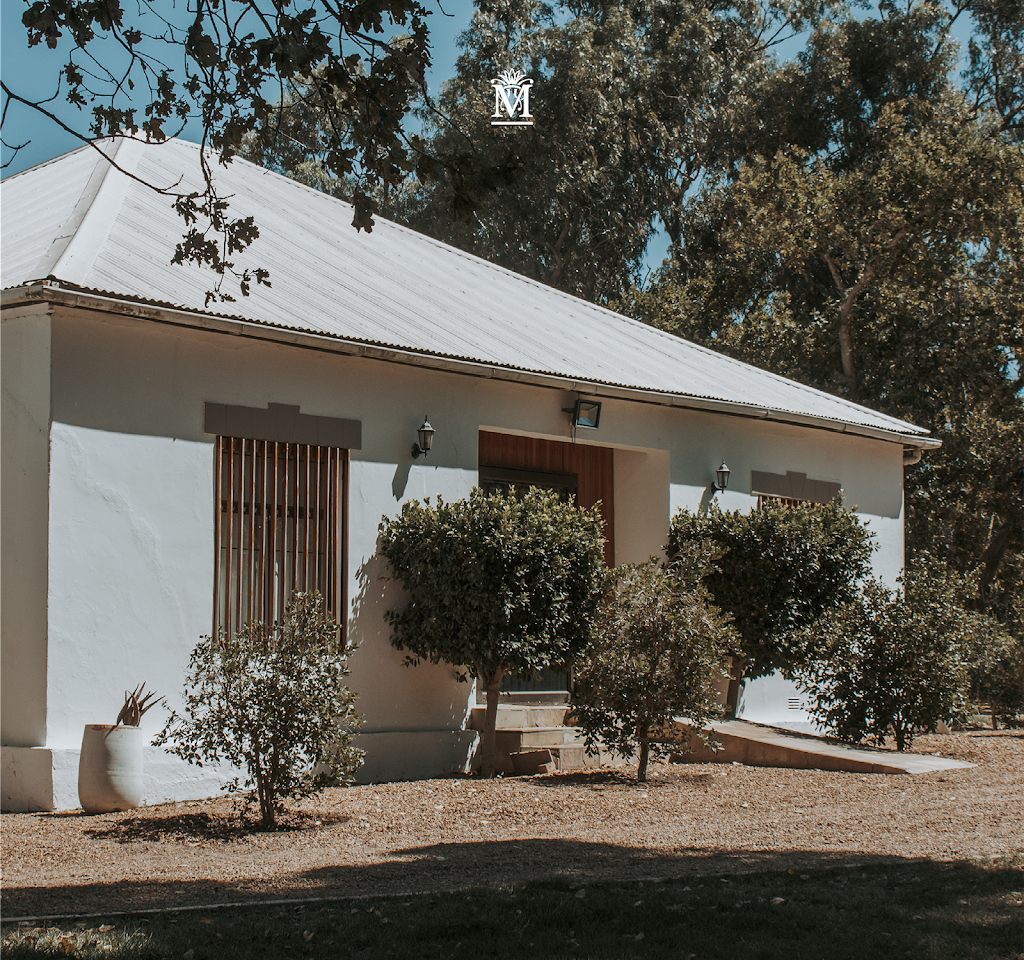
For a specific example of Cape Town accommodation with a countryside twist, Bloemendal Wine Estate Accommodation offers a guest house experience within reach of the city’s urban conveniences and the Winelands’ tranquillity. You can learn more about their estate accommodation and surroundings at their official page: https://bloemendalestate.co.za/the-estate/accommodation/
Keen to dine out or sample local fare without committing to one restaurant per night? Look for properties with convenient access to a range of eateries—from casual cafés to more refined dining rooms. Cape Town’s dining scene emphasises fresh seafood, seasonal vegetables, and international-inspired dishes with local twists, often supported by excellent wine lists. Even without naming individual restaurants, you can rely on guest houses and boutique hotels to point you toward reputable, well-reviewed places that fit your taste and budget.
- Pack a flexible itinerary to adapt to weather and seasonal events
- Confirm parking arrangements or transport options with your host
- Check for inclusive breakfast options and kitchen facilities if you prefer self-catering
- Choose accommodation with easy access to the main sights you want to visit
- Leave room for spontaneous discoveries—short drives to scenic viewpoints and coastal towns are part of the Cape Town experience