Planning a Stay in Cape Town: Accommodation, Areas to Consider, and Local Highlights
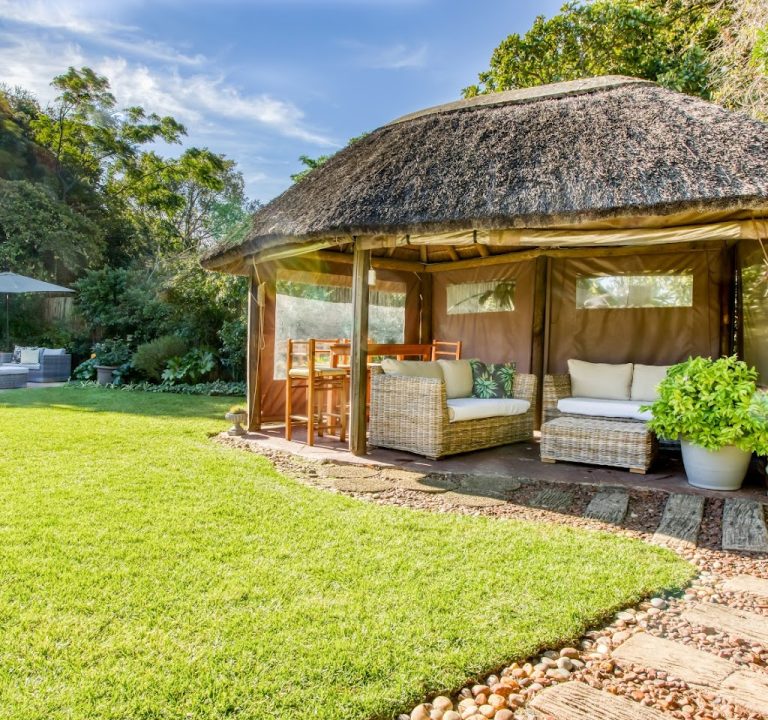
Cape Town offers a diverse mix of places to stay, from boutique B&Bs tucked into leafy neighbourhoods to contemporary hotels with sea views and easy access to the city’s famed attractions. When planning a visit, it’s worth weighing what kind of experience you want: a relaxed coastal retreat, a central base for sightseeing, or a neighbourhood that feels like a local home away from home. For travellers seeking a charming option, a bed and breakfast such as Camu-Camu Bed and Breakfast can provide a personalised feel with thoughtful touches, while a modern guesthouse or boutique hotel can deliver more contemporary amenities and common spaces to mingle with other guests.
Key areas to consider include the Atlantic Seaboard for dramatic coastal scenery and stylish dining, the City Bowl for proximity to museums, markets, and nightlife, and the Southern Suburbs for a more laid‑back, family-friendly atmosphere with easy access to wine routes. If you prefer a mountain backdrop, the slopes of Table Mountain offer a cooler climate and spectacular views, while the inner-city districts provide a compact, walkable base with restaurants and galleries within easy reach.
What to look for when booking your accommodation:
- Location and access: Consider how close you are to your planned activities and how you will get around. Proximity to MyCiTi bus stops or a reliable transport option can simplify daily explorations around the city and vnearby towns. If you plan day trips to the Cape Winelands or the Cape Peninsula, check whether your chosen base is reasonably connected to major routes.
- Room configuration and amenities: Look for comfortable beds, good heating or air conditioning, reliable Wi‑Fi, and en-suite bathrooms if possible. A well-equipped kitchenette or breakfast service can be particularly convenient for longer stays or family groups.
- Public spaces and hospitality: The presence of comfortable lounges, outdoor areas, or rooftops can enhance your stay, especially if you plan to spend time in the property between excursions. Friendly hosts and clear communication about check‑in and local tips add a lot of value.
- Safety and access: Ensure the property has secure access, well-lit surroundings, and clear guidance on parking or drop-off points if you are driving.
- Value for money: Compare nightly rates with included perks such as breakfast, parking, or curated local recommendations. Small, well‑managed properties often offer a more personalised experience than larger hotels.
Typical amenities you might encounter include breakfast service (from a continental spread to cooked options), free Wi‑Fi, daily housekeeping, self‑catering facilities, on-site parking, and sometimes guided tours or experiences arranged through the host. In many Cape Town properties, you will also find shared kitchens or living areas, which can be ideal for groups or longer visits. If you are visiting in peak tourist seasons, consider properties that offer flexible cancellation policies and updated cleaning protocols.
Transport and getting around are central to planning. Cape Town’s road network is straightforward, but traffic can be heavier during peak hours, especially near the city centre and along the Atlantic Seaboard. A combination of Uber and local ride-hailing services, MyCiTi buses, and taxi services typically covers most areas. If you intend to explore the Cape Peninsula, Hout Bay, and nearby coastal towns, it may be worth renting a car for the day. For inner-city sightseeing, a walkable base with good access to public transport can save time and reduce parking concerns.
Best time to visit Cape Town depends on what you want from your trip. The summer months (December to February) bring longer days, suntime, and vibrant street life, but can also be busy and pricier. Spring (September to November) and autumn (March to May) offer milder weather and fewer crowds, which is ideal for exploring outdoor attractions and nearby wine regions. Winter (June to August) is cooler and a touch rainier, yet it is a great time for fewer crowds and cosy evenings in guesthouses or boutique hotels with fireplaces or warm lounges. Layered clothing is always a good plan, as coastal winds can be brisk and temperature swings are common between day and night.
When planning your itinerary, diversify your days with a mix of natural beauty, cultural experiences, and culinary exploration. Iconic natural highlights—such as dramatic coastlines and protected reserves—pair well with museum and gallery visits in the inner city. In terms of dining, Cape Town’s restaurant scene ranges from casual beachside spots to fine dining with ocean views and modern interpretations of South African flavours. Rather than focusing on specific names or prices, seek neighbourhoods with a cluster of eateries and a vibe that suits your mood—whether you want a bustling market atmosphere, a refined tasting room, or a relaxed bayside café.
Practical tips for a smooth stay:
- Book with a clear cancellation policy and accurate descriptions of the room and facilities to avoid surprises.
- Check what is included in breakfast or other meals, and whether there are self‑catering options if you prefer variety.
- Read recent guest reviews to gauge consistency, cleanliness, and host responsiveness.
- Prepare for variable weather by packing layers, sun protection, and a light rain jacket.
- Plan for travel to and from airports or ferry ports, and consider a flexible schedule to accommodate weather or sea‑level changes that can affect coastal activities.
For ideas on what to see and do, consult official tourism resources for Cape Town and the wider Western Cape. The region offers a wealth of experiences beyond the city’s famous sights: scenic drives along the coast, wildlife encounters, markets and crafts, and wine routes that showcase the exceptional produce of the surrounding areas. With a thoughtful approach to where you stay and how you move, a visit to Cape Town can be both comfortable and richly memorable, blending relaxation with adventure in one of the world’s most spectacular settings.