Cape Town Accommodation: Where to Stay and How to Plan Your Visit
Cape Town is a dynamic, visually stunning hub for travellers, offering a wide range of stays from intimate guest houses to stylish boutique hotels and self‑catering cottages. When planning a visit, consider which neighbourhood will shape your daily rhythms, the amenities that will ease your stay, and how you’ll get around to experience the city’s natural beauty, iconic landmarks and vibrant dining scene.
Areas to consider include the City Bowl for easy access to museums, galleries and central sights; the Atlantic Seaboard for sweeping coastal views and beach life; Constantia and the Southern Suburbs for easy access to wine estates and green hills; and Cape Town’s northern suburbs for a quieter, more residential atmosphere with quick routes to the winelands and the airport. For a more laid‑back, beachy vibe with dramatic sunsets, Camps Bay or Clifton offer fashionable stays within a short stroll of the sands. When selecting accommodation, think about how close you want to be to the main sights, transport links and your planned restaurants and activities.
Accommodation in Cape Town spans guest houses, boutique hotels, self‑catering flats and lodges. A guest house such as Fairhaven Guest Accommodation can provide a friendly, home‑from‑home experience with personalised service and a local flavour. It is worth exploring properties that emphasise hospitality, convenient locations, and thoughtful touches such as curated breakfasts, easy parking, secure access, and comfortable communal spaces. Check what’s included in the rate—Wi‑Fi, breakfasts, parking, and house rules—as these can significantly affect daily planning.
What to look for when booking:
- Location relative to your planned activities, with an emphasis on safety and accessibility.
- Transport options, including proximity to MyCiTi bus stops, train links, or car hire facilities.
- Many rooms offer en‑suite bathrooms, air‑conditioning, heating, and reliable Wi‑Fi; consider whether you’ll need a desk or workspace.
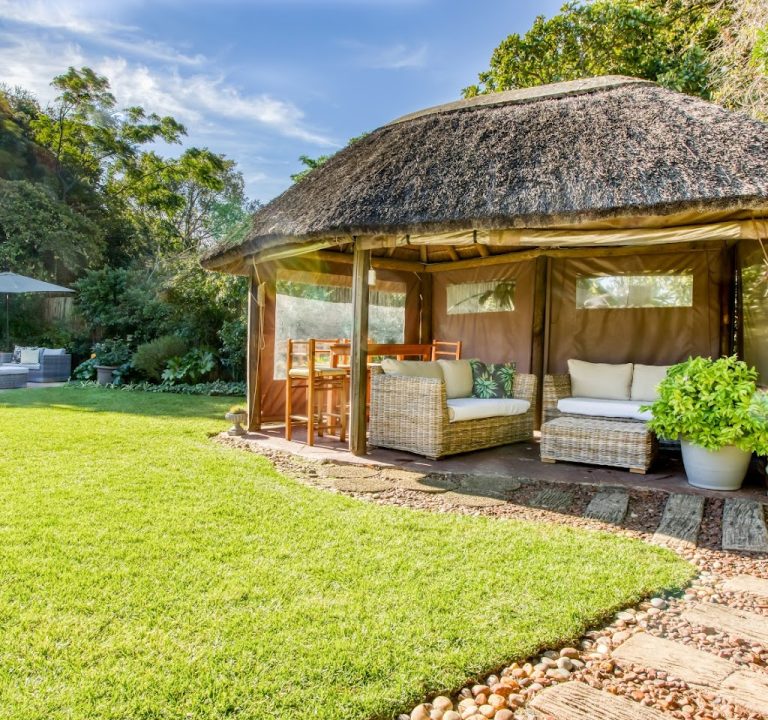
- On‑site facilities such as a pool, a garden or outdoor seating, a well‑equipped kitchen, laundry access, and 24‑hour reception or secure entry.
- Guest house hosts who can provide local tips, restaurant recommendations, or guided outings.
Typical amenities to expect in well‑regarded options include comfortable beds with quality linens, adequate storage, climate control, reliable hot water, and a thoughtful breakfast offering. Some properties go beyond with extras like private balconies, sea views, tropical gardens, or proximity to popular trails and viewpoints. When planning transportation, check whether there is parking available if you’re renting a car, or if the property offers easy access to public transport or ride‑hailing services.
Best time to visit Cape Town depends on what you want to do. Late spring (September to November) brings blooming plains and pleasant temperatures, ideal for outdoor exploration and coastal walks. Summer (December to February) is lively, with longer days and beach‑friendly weather, though it can be busy with tourists. Autumn (March to May) offers mild conditions and quieter evenings, while winter (June to August) brings cooler, wetter weather and fewer crowds. If you’re drawn to sea life, whale watching seasons in nearby coastal towns and the Atlantic seaboard can guide your timing. Always check the local forecast, as mountain weather can change quickly, especially around Table Mountain National Park.
Getting around is straightforward if you plan ahead. Cape Town has a comprehensive public transport network, including bus routes and rail links, but many visitors find that a car gives the greatest flexibility for exploring the Cape Winelands, the Cape Peninsula, and the surrounding nature reserves. If you prefer not to drive in the city, consider staying within walking distance of the V&A Waterfront, the central business district, or popular beaches, and use taxis or ridesharing for longer trips or after dark.
Attractions and experiences are plentiful without needing to commit to expensive tours. You can pace yourself between scenic viewpoints, markets, museums, and eateries. Iconic sights will guide most itineraries—Table Mountain, the Cape Peninsula drive with its stunning coastal scenery, and nearby nature reserves offer a mix of easy walks and more energetic hikes. In the city, you’ll find a diverse food scene that ranges from simple, well‑made comfort dishes to modern, seasonal menus. When choosing restaurants, look for places that source ingredients locally and respect the city’s multicultural culinary heritage.
Practical tips to help you enjoy your stay:
- Book accommodation with secure access and clear directions to your main routes and sights.
- Pack layers, including a light rain shell and sun protection, as the weather can be changeable and the sun is strong near the coast.
- Plan day trips with a mix of nature, culture, and downtime to avoid travel fatigue.
- Respect local safety guidelines, especially when exploring outdoor areas or taking evening strolls in less busy neighbourhoods.
- Keep a flexible mindset—Cape Town offers numerous spontaneous experiences, from markets to seaside cafés and sunset viewpoints.
For travellers seeking a comfortable base with attentive service, consider a guest house such as Fairhaven Guest Accommodation, which presents a practical, welcoming option for visitors wanting easy access to Cape Town’s attractions and an authentic feel of the area. More information can be found on the property’s website: Fairhaven Guest Accommodation.
With thoughtful selection of where you stay and how you plan your days, Cape Town can deliver a memorable balance of natural beauty, vibrant culture, and relaxed hospitality—whether you’re here for a weekend city break or a longer, restorative stay.