Cape Town: Accommodation, Areas to Consider, and Getting the Best Experience
Cape Town blends dramatic coastlines, rugged mountains, and a lively dining and cultural scene into a compact, walkable city. When planning a stay, think in terms of neighbourhood character, access to transport, and the cadence of daily life you want—from beachside mornings to mountain-side sunsets. A well-chosen base can save time and enhance the way you explore the Cape Peninsula, the winelands, and the vibrant city centre.
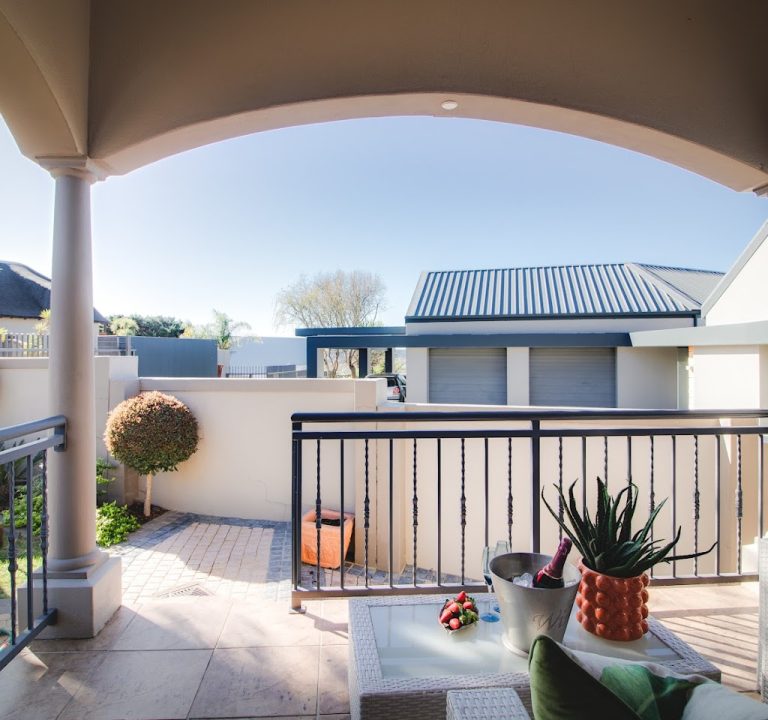
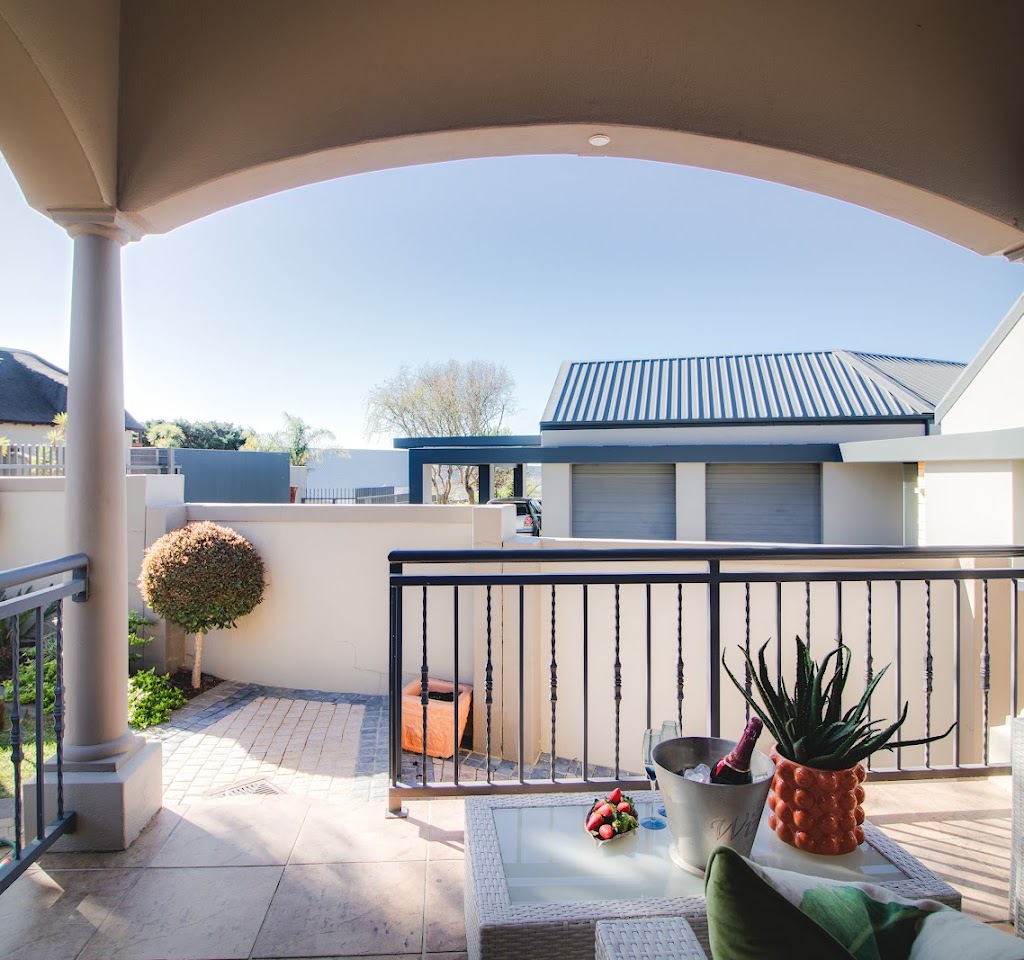
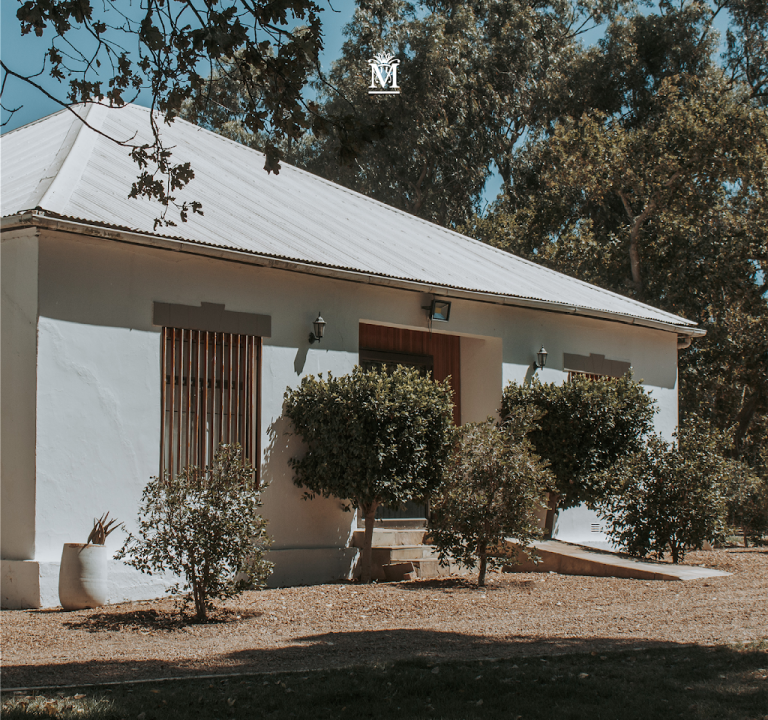
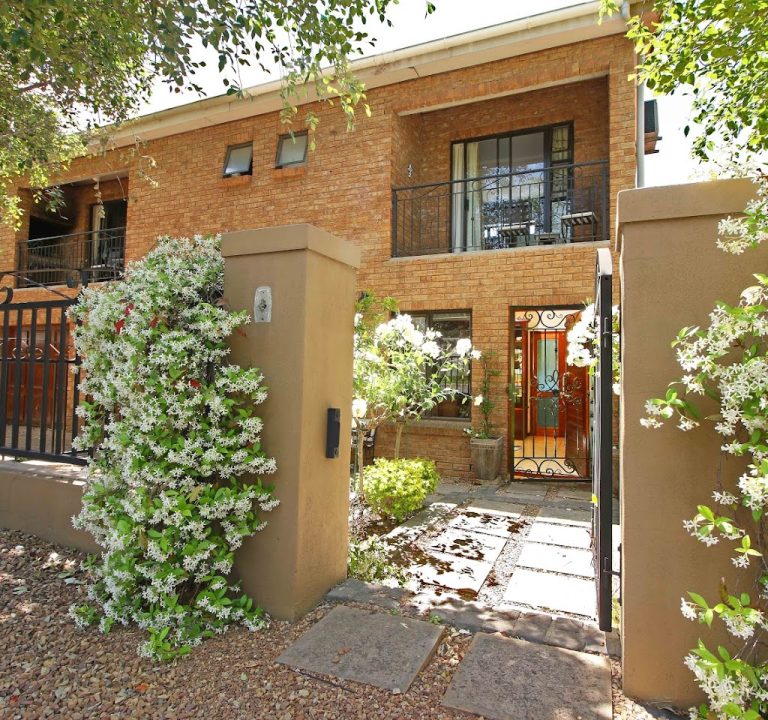
Places to stay span stylish guest houses, intimate B&Bs, boutique hotels, and self-catering apartments. In some districts you may find family-run guest houses that offer a personalised welcome, while in other areas you’ll encounter contemporary design-led hotels with excellent facilities. One example of the latter spirit is Villa Lusha, a guest house that showcases thoughtful hospitality and easy access to both Atlantic Seaboard and Southern Suburbs. For those considering a stay at Villa Lusha, the property’s website provides a sense of accommodation style, amenities, and location—helpful when evaluating whether it suits your itinerary.
Areas to consider, depending on your priorities:
- The City Bowl and Green Point: Central, walkable streets, proximity to markets, museums, and restaurants, and good access to MyCiTi buses and taxis.
- The Atlantic Seaboard (Sea Point, Bantry Bay, Camps Bay): Scenic beachfront living, sunset views, and easy access to coastal walks; ideal for sun, sea, and longer day trips along the coast.
- Kirstenbosch and Constantia: A quieter, leafy setting close to the Table Mountain National Park foothills; great for hiking enthusiasts and visitors who prioritise serenity and garden surroundings.
- Observatory and Woodstock: Trendy, artsy neighbourhoods with independent cafés, markets, and a walkable city vibe.
- Simon's Town and the Southern Peninsula: For a longer scenic excursion, jaw-dropping coastal scenery and a gateway to the penguin colony and the Cape Point route.
What to look for when booking:
- Location relative to your planned activities and transport links. Consider the distance to beaches, mountains, and the city centre, and whether you’ll rely on taxis, rideshares, or rental vehicles.
- Guest house or hotel layouts that suit your group. Some properties offer family rooms, verandah spaces, or communal kitchens, which can be helpful for longer stays.
- Amenities such as reliable wifi, parking, curated breakfast options, and climate control. In Cape Town, coastal properties may also offer outdoor spaces for al fresco dining and sunset views.
- House rules and accessibility. If you need flexible check-in, quiet rooms, or accessibility features, confirm these details in advance.
- Reputation and reviews. Look for recent guest experiences that mention cleanliness, service quality, and responsiveness to queries.
Typical amenities you might encounter include continental or full breakfasts, complimentary beverages, laundry services, and secure parking. Many guest houses offer personalised itineraries or local tips, which can be particularly valuable when visiting Cape Town for the first time. Booking platforms and direct websites often provide detailed photographs of rooms, common areas, and outdoor spaces, helping you gauge whether a property matches your expectations.
Transport and getting around:
Cape Town’s transport network is complemented by a compact city centre and well-trodden tourist routes. The MyCiTi express network covers key corridors, including the city centre to amenities along the Atlantic Seaboard. Taxis and rideshare apps are widely available, though peak times can lead to delays. If you plan day trips to the Cape Peninsula, secure arrangements in advance or rent a car for greater flexibility. For those staying near the waterfront or the city bowl, many attractions are reachable by short walks or short taxi rides, reducing the need to drive.
Best time to visit and planning tips:
Cape Town experiences a Mediterranean climate with wet winters and dry summers. Peak tourist season runs from late spring to early autumn, when days are longer and the sea is at its warmest for beachgoing. If you prefer fewer crowds, consider shoulder seasons when the weather remains pleasant but hotel and restaurant prices can be more moderate. For outdoor adventures, plan mountain hikes for early mornings or late afternoons to avoid the heat, and always check the weather forecast—the Table Mountain area can shift rapidly from sun to mist.
Dining and experiences, in general terms, offer a spectrum from lively markets and casual eateries to refined dining with regional ingredients. Expect menus that highlight seafood, game, and seasonal produce, paired with local wines from the surrounding wine routes. For those seeking experiences beyond dining, consider guided hikes, harbour tours, or cultural walks that reveal Cape Town’s history and natural beauty without committing to a single activity for the entire day.
Practical tips for a smoother stay:
- Book accommodation with clear cancellation policies, especially if travel plans might change.
- Pack layers for rapid changes in coastal temperatures and sea breeze. A light jacket or shawl can be handy in the evenings.
- Verify security features and access to parking if you’ll be renting a car.
- Explore nearby cafés or markets for a sense of local life and affordable meals.
- Check the proximity of your base to the main sights you want to visit and factor in travel time when planning days.
In summary, Cape Town rewards travellers who align their stay with the rhythm of the region: a balanced mix of accessible city life, dramatic natural scenery, and standout dining experiences. Whether you favour a cosy guest house such as Villa Lusha or a contemporary hotel with ocean views, the key is selecting a neighbourhood that suits your daily plans, understanding transport options, and keeping a flexible approach to sightseeing. With thoughtful planning, you can enjoy both the iconic landmarks and the less-trodden corners that make Cape Town truly unforgettable.