Cape Town: Accommodation and Getting Around for a Memorable Stay
From the iconic Table Mountain to sweeping Atlantic beaches, Cape Town offers a diverse backdrop for a holiday or longer break. When planning where to stay, think about daily plans as well as the rhythms of the city. A well-suited base can save time, cut transit costs and put you at the heart of the experience, whether you prefer a serviced apartment, a boutique guesthouse, or a family‑run lodge in a leafy neighbourhood.
Areas to consider include the V&A Waterfront and the CBD for easy access to dining, museums and nightlife, the leafy slopes of the City Bowl for a quieter, residential feel within walking distance of many sights, the Atlantic Seaboard for ocean views and coastal walks, and the Southern Suburbs for a more relaxed pace with easy routes to natural attractions. If you’re after a beach-focused break, Atlantic Seaboard towns such as Camps Bay and Clifton offer scenery and sunsets; for a historic and cultural mix, the Bo-Kaap neighbourhood provides vibrant colours and a short hike to notable viewpoints. For families, neighbourhoods with parks, shops and good public transport links can be particularly convenient.
When booking, look for practical details that make a difference to your daily routine. A compact serviced apartment or guesthouse with a kitchenette can be ideal for travellers who enjoy self‑catering or need flexibility with meal times. In smaller towns or late‑season visits, you may prefer a place with a change of scenery for evenings in, plus a reliable heating or cooling system depending on the season. For longer stays, a flexible cancellation policy and clear housekeeping arrangements are worth prioritising, along with secure access and on‑site parking if you’re hiring a car.
- Typical amenities to expect include reliable Wi‑Fi, daily or frequent housekeeping, towels and linens, a well-equipped kitchenette, air conditioning or portable cooling, and secure entry systems.
- Important practicalities to check are access to public transport or ease of taxi/ride‑hailing options, proximity to supermarkets, and nearby dining or nightlife, depending on your preferences.
Transport in Cape Town is straightforward but varies by area. The city centre and the Atlantic Seaboard are well served by rideshare services and public transport routes, with scenic bus tours available for visitors. If you plan to explore the Cape Peninsula or winelands, having a car gives maximum flexibility, though there are guided day tours and reliable excursion operators for those who prefer not to self‑drive. If you stay closer to the core sights, you’ll likely be able to walk or cycle to many attractions, making a compact, well-located accommodation a convenient choice.
Best time to visit depends on what you hope to do. Summer months (December to February) offer warm weather and longer days, ideal for outdoor activities along the coast. Winter (June to August) brings cooler, breezy days and the opportunity to experience the city’s indoor cultural scene and coastal scenery without the peak crowds. Spring and autumn provide milder temperatures, flowering landscapes, and generally fewer tourists. Always check local forecasts and seasonality, particularly for coastal winds and occasional rain during the shoulder seasons.
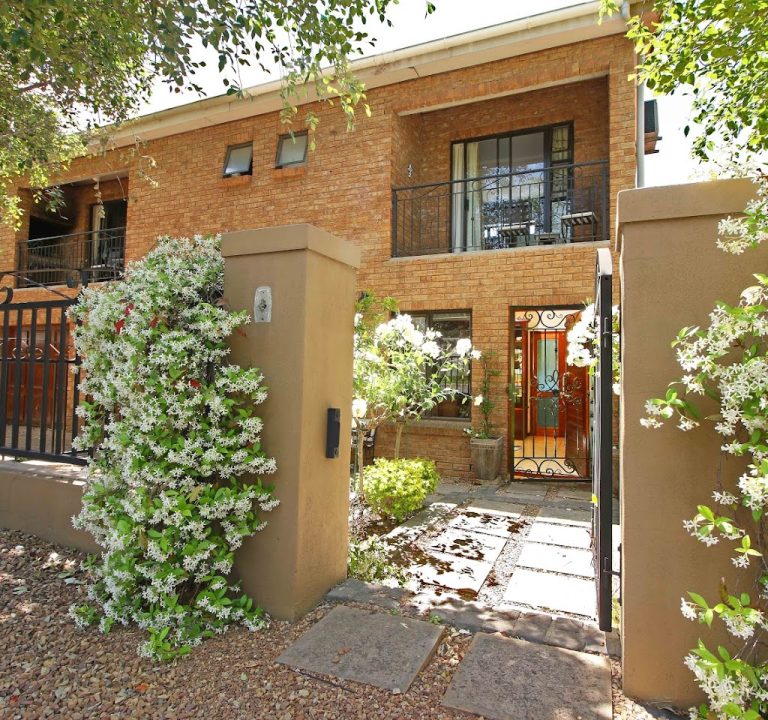
Practical tips for planning your stay include setting a realistic daily budget, allotting time for travel between sights, and keeping a small buffer for activities that may emerge during your visit. When choosing a place to stay, read recent guest reviews for notes on cleanliness, quietness, and the reliability of services. If you’re considering a serviced apartment, you might find options marketed as such with flexible stays and light housekeeping, which can be convenient for longer visits. As a reference point, you might encounter examples such as Petite Apartment.30, a serviced accommodation option that illustrates how some stays blend apartment living with hotel‑style services.
Nearby attractions and refreshingly varied dining scenes contribute to Cape Town’s appeal. In broad terms, you can expect world‑class scenery, museums and cultural spaces, and a wide range of eateries from casual cafés to high‑quality restaurants offering modern South African cuisine. Rather than chasing specific names or prices, plan around a daily rhythm: mornings exploring viewpoints or markets, afternoons at beaches or botanical gardens, and evenings sampling a neighbourhood restaurant or a casual bistro with views of the city or harbour. For family trips or groups, look for places with comfortable communal spaces and nearby parks or beaches to unwind after days of sightseeing.
Finally, do not overlook practical safety and etiquette. Keep valuables discreet, use trusted transport options, and follow local guidance for coastal areas and nature reserves. With careful planning and a well‑chosen base, your Cape Town stay can be as invigorating as the city’s dramatic scenery and as restful as its harbour lights at dusk.