Durban: where to stay, what to do and how to plan a great visit
Durban, on the KwaZulu-Natal coast, blends warm ocean breezes with a vibrant mix of African, Indian and colonial influences. Whether you’re seeking a relaxed beach break, a cultured city stay or a gateway to the inland landscapes of the Midlands, Durban offers a range of accommodation that can suit most budgets and travel styles. This guide highlights guest houses and other accommodation options, practical planning tips, and a sense of what to see and eat during a stay.
When choosing a base, think about how you’ll spend your days. The northern suburbs along the Golden Mile and Umhlanga offer surf-ready beaches, broad promenades and a calmer, more resort-like ambience. The central stretch around the harbour and CBD can be convenient for city attractions and markets, while the Berea and Morningside areas provide leafy streets, traditional guest houses and easy access to shops and cafés. Durban North, on the opposite side of the river, can feel quieter and more residential, often with excellent guest house options and easier parking for trips by car. If you’re planning day trips to the Valley of a Thousand Hills, the Drakensberg or game reserves, consider staying closer to major routes or in a lodging with easy highway access.
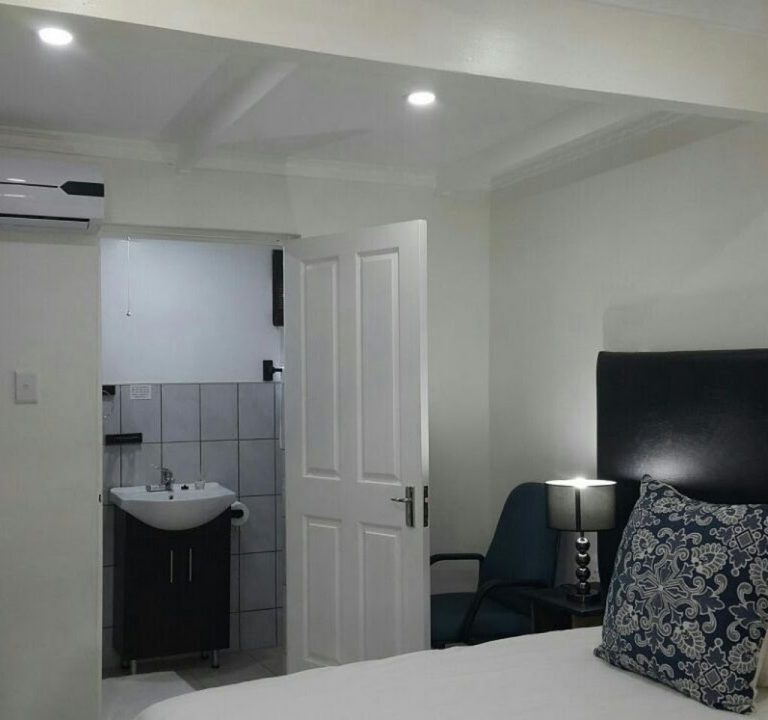
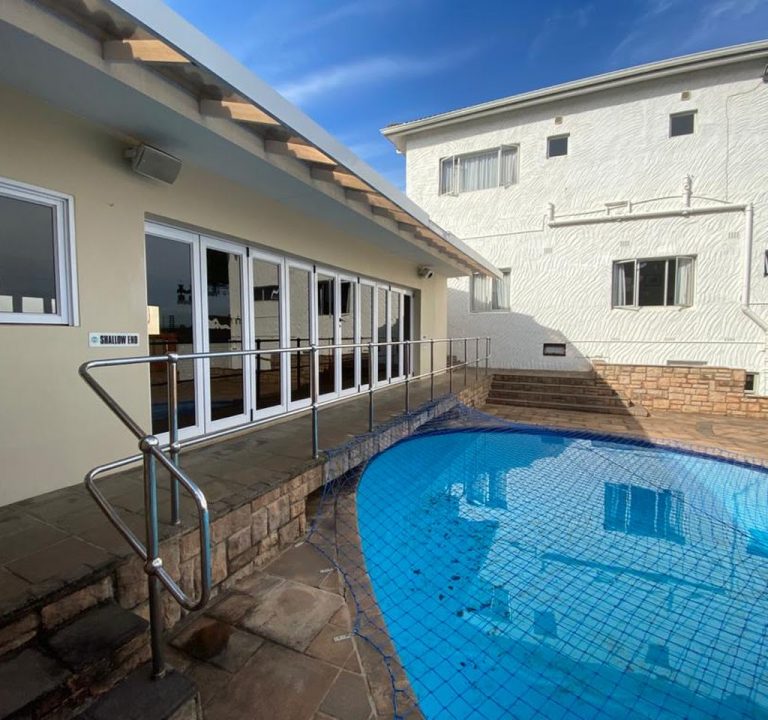
Typical accommodation features you’ll encounter in Durban include guest houses, boutique lodges and mid-range hotels that balance comfort with a personal touch. Expect well-kept rooms, private or en-suite bathrooms, daily housekeeping, and in some places a generous breakfast spread. Many guest houses in Durban pride themselves on hospitality, offering sunny courtyards, shaded verandas and convivial lounges. Some properties provide on-site parking, while others may offer limited spaces or secure, monitored options. If you’re travelling with family or a group, look for flexible room configurations, such as interconnecting rooms or suites, and consider properties with communal spaces for socialising after busy days exploring the city.
Booking considerations to keep in mind include security and access, especially if you’ll be returning late from evenings out. Choose well-reviewed properties with reliable reviews on safety, lighting, and gates or security measures. Confirm whether breakfast is included and, if so, what it comprises (hot dishes, continental options, beverages). Parking availability matters in busy areas, so check whether free or paid parking is offered or if street parking is suitable. For business travellers or those needing quiet workspaces, enquire about desk space or in-room work surfaces and reliable wi‑fi. If you have mobility needs, check elevator access, ground-floor options, and bathroom fittings such as grab rails or walk-in showers.
Getting around Durban is straightforward but varies by neighbourhood. The extensive arterial roads and a growing network of ridesharing services make short hops around town easy. If you prefer rail and public transport, be mindful that some areas have more limited options than others. A car often provides the most flexibility for exploring beaches, markets and day trips to the Midlands or the Valley of a Thousand Hills. For longer journeys, some guests gear up with a day-use car rental. If you plan to stay near the coast, you’ll likely rely on a combination of beach strolls, coastal walks and rides or short taxi hops between sights.
The best time to visit Durban is guided by climate and activity. The city enjoys a subtropical climate with warm summers and mild winters. November to February is hot and has higher humidity with the potential for afternoon showers, which can be great for cooling down and enjoying lush vegetation in parks and gardens. Autumn and spring bring pleasant conditions for outdoor dining and strolling along promenades. For those seeking quieter beaches and lower rainfall, late autumn or winter can be ideal, though sea temperatures are cooler and some water-based activities may be less inviting. If you’re planning to combine beach days with safari-style day trips, schedule accordingly and check local event calendars for markets, music and cultural happenings.
Practical tips to help you plan a smooth stay:
- Book ahead for peak seasons and major holidays, especially in popular areas such as the Golden Mile and Umhlanga
- Check access to breakfast and meal options if you have dietary preferences
- Ask about transport arrangements, including on-site parking or safe street parking nearby
- Confirm cancellation policies and any late-check-in procedures if you plan to arrive after dark
- Look for properties with outdoor spaces or lounges to enjoy the city’s warm evenings
Durban’s attractions span beaches, markets, museums and culinary experiences. You’ll find broad, family-friendly beaches with lifeguarded zones and shaded public spaces for picnics. Cultural highlights can include heritage sites and galleries that reflect the city’s diverse influences. Markets and street-food hubs offer a chance to sample Durban’s famous flavours in informal settings, from fresh produce to fragrant spices and local snacks. When dining out, you’ll encounter a spectrum of options—from casual cafés near the beach to more contemporary eateries inland that showcase Indigenous flavours and regional produce. If you’re keen on experiences beyond the city, day trips to scenic hills, wildlife encounters or coastal drives can be a rewarding addition to your itinerary.
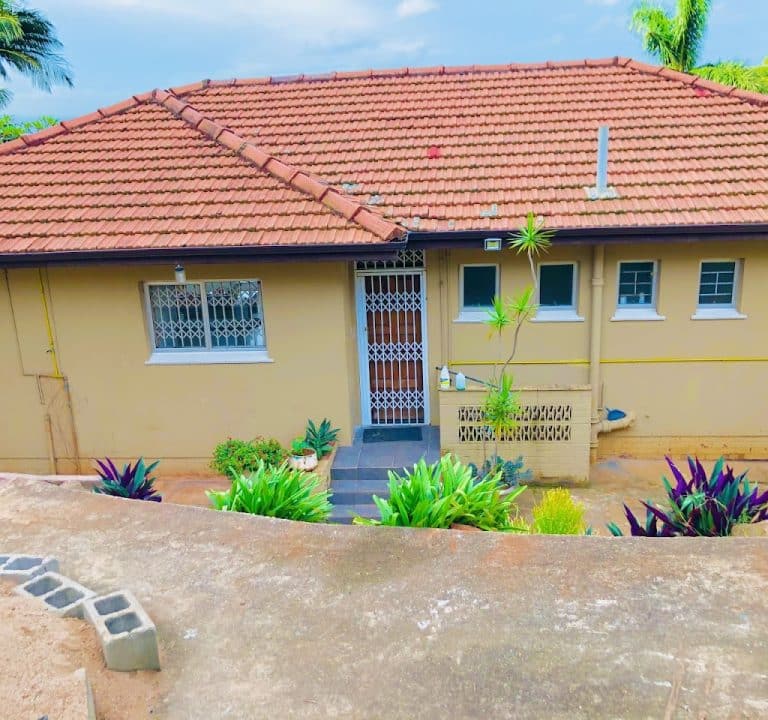
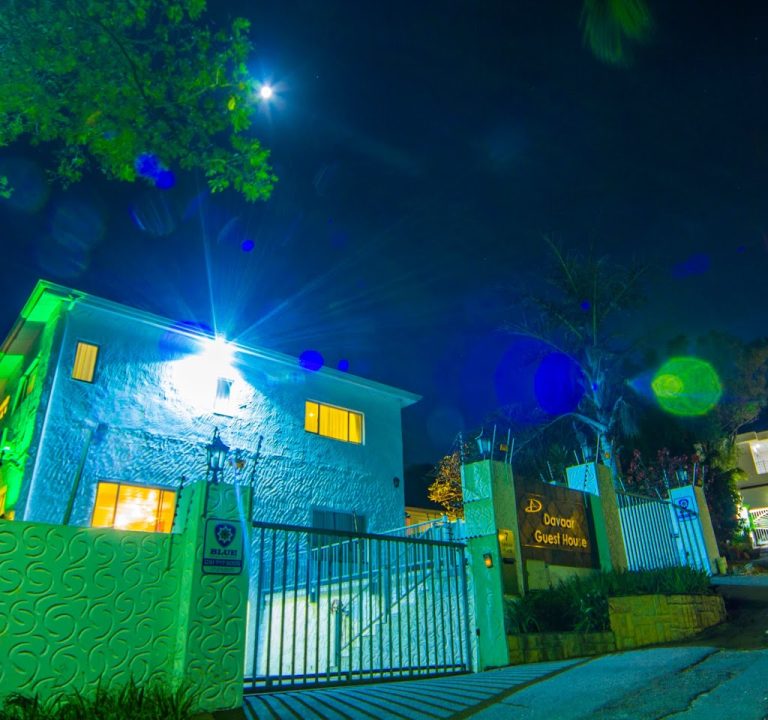
Example accommodation in Durban often includes boutique guest houses and smaller lodges with a personalised touch, such as a locally managed property that emphasises comfort and a sense of place. A guest house in this city can offer a homely atmosphere, well-kept rooms, and a focus on personal service, sometimes with guest recommendations for nearby cafés, parks and viewpoints. For guests seeking a boutique stay, a property like Bikani Boutique Lodge can represent a compact, stylish option within a comfortable driving distance of the coast and city amenities. Always check recent guest reviews and property descriptions for up-to-date details on room layouts, breakfast service and on-site facilities.
Finally, plan with a flexible mindset. Durban’s coastline, cultural calendar and diverse neighbourhoods invite spontaneous discoveries—from a morning market wandering to an impromptu seaside café visit. With proper preparation—considering area, transport options, and practical comfort features—you can tailor a Durban stay that balances restful mornings, easy days of sightseeing and effortless evenings by the sea.