Durban: Where to stay and what to explore in KwaZulu‑Natal
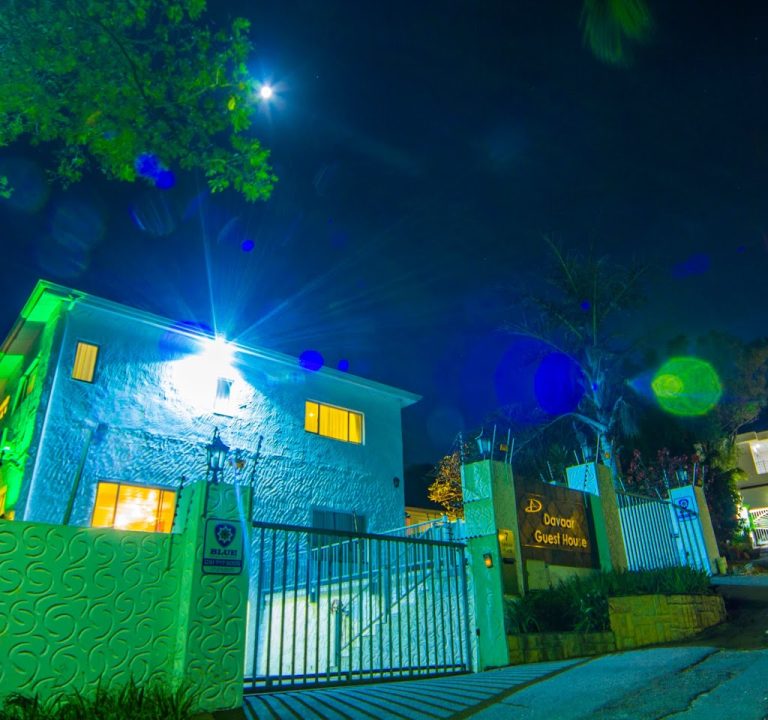
Durban offers a warm, climate-friendly base on the KwaZulu‑Natal coast, with a blend of modern business districts, leafy residential avenues and vibrant beachfront stretches. When planning a stay, consider the different neighbourhoods, the pace you prefer, and how you’ll get around to balance convenience with value. The city’s accommodation runs from well-appointed guest houses and boutique hotels to larger lodgings near the harbour or inland in more residential suburbs. One example of a guest house in the area is Davaar Guest House, reflecting the approachable, homely style many visitors appreciate.
Areas to consider
- Beachfront and Golden Mile: These areas offer easy access to the sea, promenades, and a broad choice of eateries. You’ll find compact guest rooms and medium‑sized hotels with parking and simple breakfast options. Being close to the sea usually means higher noise levels in peak season, but the trade‑off is proximity to walks, beaches, and amusements.
- Umhlanga and the northern suburbs: This part of Durban tends to be quieter and more polished, with secure parking, contemporary interiors and reliable on‑site amenities. It’s a popular base for travellers who want a relaxing retreat while still being within easy reach of the city centre and the airport shuttle routes.
- Central Durban and the Grey Street/Moreland zones: If you’re keen on urban life, museum visits, markets and a wider range of restaurants, a central address can be practical. Public transport links are often more frequent here, which helps if you’re trying not to hire a car.
What to look for when booking
- Location relative to your plans: closeness to the beach, the city centre, or specific events you might attend.
- Transport options: whether the property offers parking, or if you’ll rely on Uber, taxis, or local buses.
- Sound insulation and views: sea breezes are wonderful, but check whether bedrooms are well soundproofed if you’re a light sleeper.
- Guesthouse vs. hotel styles: guest houses typically focus on a home‑like environment and included breakfast, whereas hotels may offer additional facilities such as a fitness room or business services.
- Cancellation policies and flexibility: Durban’s travel patterns can shift with weather and events, so clear terms help.
Typical amenities you might expect
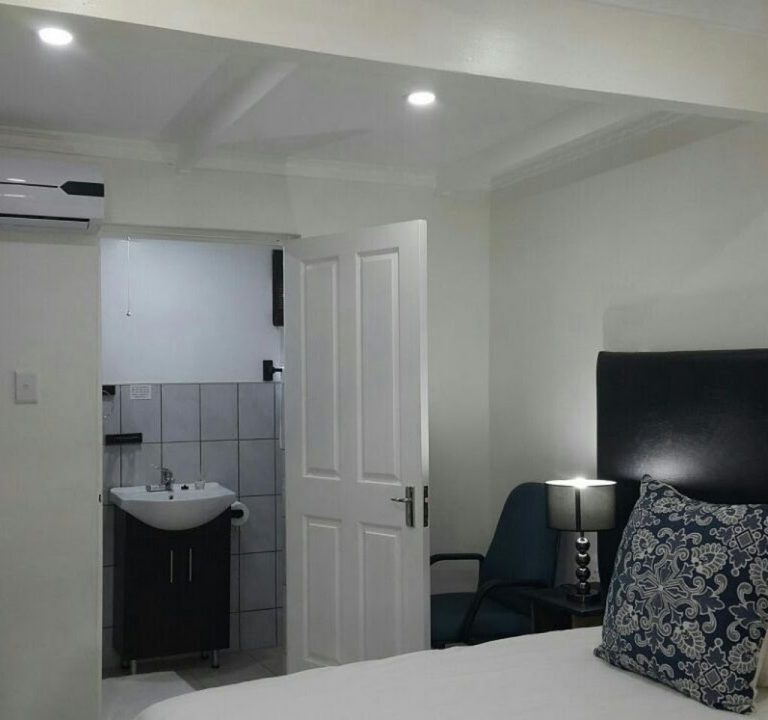
- Private or en‑suite bathrooms
- Air‑conditioning or ceiling fans, given Durban’s warm climate
- Wi‑Fi access, often included in the room rate
- On‑site parking or easy street parking nearby
- Breakfast options, sometimes included, with afternoon tea or light snacks available
- Security measures such as gated access or 24‑hour reception in some options
Planning your stay: transport and getting around
Durban’s layout benefits from a planned approach to transport. If you’re staying near the beachfront or in central areas, you can often walk to markets, cafés and the promenade. For longer trips or day trips into the surrounding KwaZulu‑Natal landscape, consider whether your accommodation offers secure parking and if a hire car will simplify your itinerary. Public transport is available, but services may be less frequent in the evenings outside the centre. For airport transfers, check whether your booking includes or can arrange a shuttle service or trusted transfer partner.
Best time to visit and practical tips
Durban enjoys warm weather most of the year, with hot, humid summers and milder winters. The peak holiday season runs from December to February, when beaches and streets are busy, so plan ahead for accommodation and dining reservations. For calmer periods, autumn (March to May) and spring (September to November) often offer pleasant temperatures and fewer crowds, making it easier to explore outdoor attractions and enjoy longer stays without bustle.
What to do and see in a general sense
Durban’s coastlines invite leisurely strolls along the promenade, with opportunities to watch surfers, take a dip, or simply soak up the sunrise. The city also offers cultural experiences, from coastal markets and street food to galleries and historic sites. Families may enjoy coastal parks and safe beaches, while travellers with a keen interest in nature can explore the nearby reserves and subtropical plant life. For the non‑motorised explorer, a guided walk or city tour can reveal architectural highlights and neighbourhood histories. Museums and markets provide a sense of place and daily life that complements a beach‑centric itinerary. For food lovers, Durban’s dining scene blends Indian flavours, seafood, and contemporary South African cooking, with many venues offering tasting menus or regional favourites in casual settings.
Practical planning tips
- Book early for peak seasons and major events to secure preferred areas and bed types.
- Check for air‑conditioning or fans, given Durban’s warmth; some properties offer both, along with ceiling fans for cross‑ventilation.
- Read guest reviews with attention to cleanliness, service, and the accuracy of the listing’s description.
- Consider dining options nearby if breakfast isn’t included; many guest houses partner with local cafés and bakeries.
- Protect your belongings with secure on‑site parking or note the safety features of the property and surrounding area.
Durban is a city of contrasts — sun‑drenched seafronts, busy streets, green parks and a warm, welcoming hospitality tradition. With careful planning, your stay can balance comfortable accommodation, convenient transport, and rich experiences in KwaZulu‑Natal. For more inspiration and practical planning, visit South Africa Tourism’s official pages to learn about regions, transport connections and seasonal guidance.