Durban: Accommodation options and how to plan a stay in KwaZulu‑Natal
Durban sits along the KwaZulu‑Natal coast with a warm subtropical climate, a dynamic mix of seaside promenades, rich Indian Ocean culture, and a growing selection of guest houses, BnBs, and boutique hotels. When planning a stay, start by identifying a neighbourhood that fits your plans—whether you want easy access to the beaches and the Golden Mile, convenient transport links to central Durban, or a quieter base near the harbour and inland parks. Durban’s accommodation spectrum ranges from intimate guest houses to contemporary city lodges, and well-situated hotels in popular districts.
Areas to consider include the beachfront and Golden Mile, where many properties offer sea views, easy beach access, and proximity to cafés and restaurants. The Berea provides a leafy, residential feel with a mix of guest houses and boutique hotels that combine character with modern comforts. The Point and South Beach areas are close to the harbour and work well for travellers who want to stroll harbour walks and enjoy the promenade. For quieter stays, the residential neighbourhoods slightly inland often offer great value, larger rooms, and a more local atmosphere, with easy access to main routes into the city centre.
When selecting a place to stay, consider these practical factors:
- Proximity to your planned activities and transport links (air, rail, or bus services).
- Type of accommodation that suits your style and budget, from guest houses with personalised service to family‑run lodges with breakfast options.
- Typical amenities such as complimentary Wi‑Fi, on‑site parking, air conditioning, and secure access.
- Breakfast arrangements, kitchen facilities, and options for self‑catering if you prefer flexibility.
- Access to safe neighbourhoods, well‑lit streets, and the security arrangements of the property.
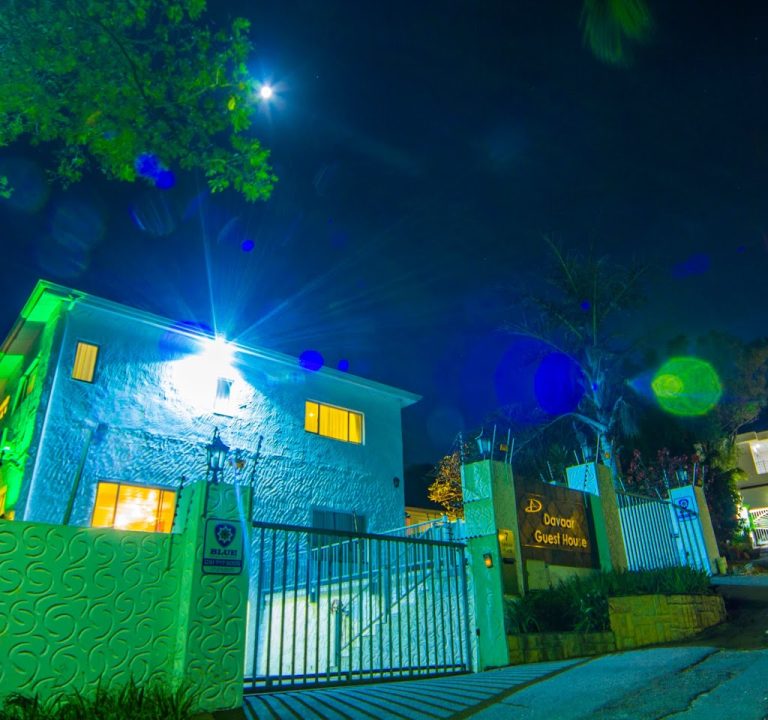
One example of a guest house that embodies Durban’s hospitality is Singatha Guesthouse & Conference Centre. It offers a guest‑house experience with conference facilities, which can be particularly convenient for business travellers or groups. Visitors can explore the surrounding residential streets for a sense of local life while still enjoying the convenience of nearby dining and transport options. For more information, you can visit the property’s website: Singatha Guesthouse & Conference Centre.
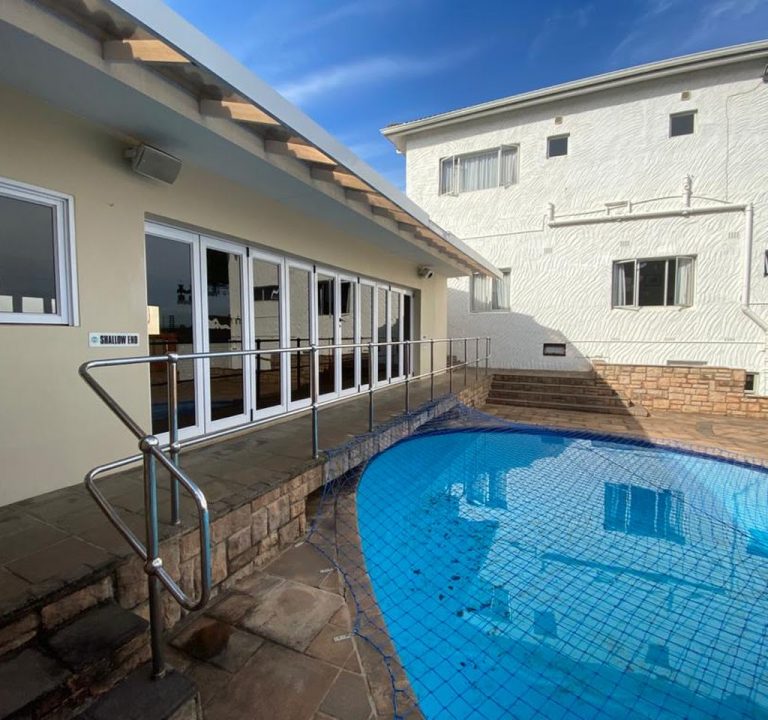
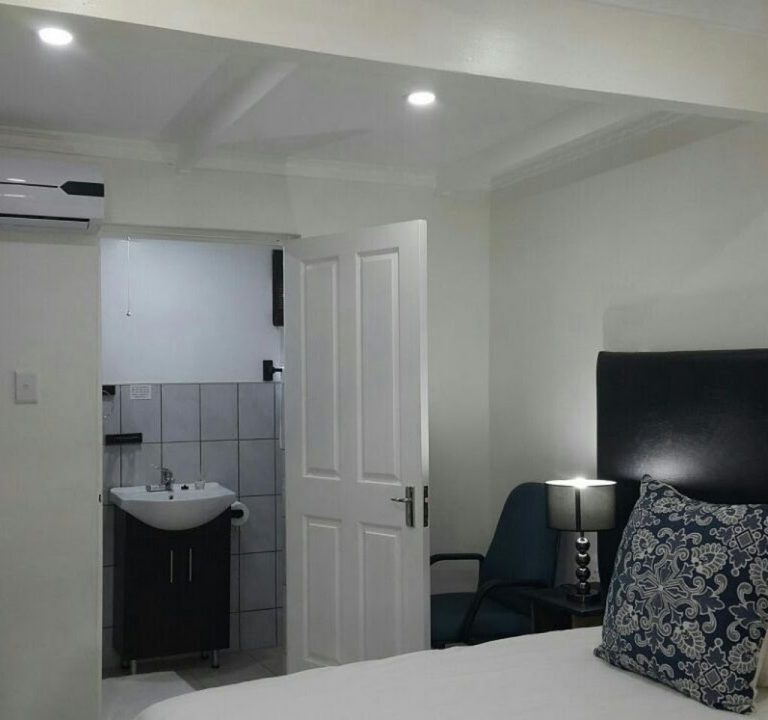
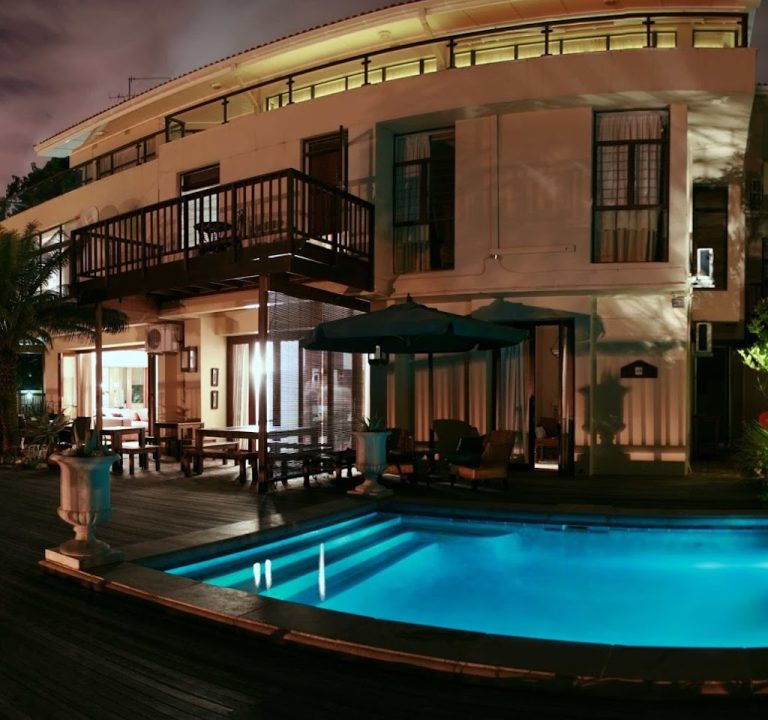
Typical amenities to look for in Durban accommodations include robust Wi‑Fi, secure parking, air conditioning or fans for hot days, clean en suite bathrooms, and reliable housekeeping. Many properties in coastal areas offer lazy‑sea breezes and easy access to outdoor spaces such as courtyards, balconies, or an on‑site pool. A generous breakfast can be a welcome start to busy days, especially if you plan to spend long mornings exploring beaches or markets. If you are travelling with family or a group, inquire about larger rooms or family suites, possible kitchenette facilities, and whether the property can arrange airport or train transfers.
Transport in Durban is well served by a mix of road, rail, and local bus services. Renting a car gives you flexibility to explore the surrounding countryside, nature reserves, and inland towns. If you prefer not to drive, look for properties near major bus routes or within easy reach of MyCiTi bus stops or taxi services. The coastal routes are particularly pleasant for gentle walks and easy access to restaurants and parks, but plan for peak traffic times around the city centre and beachfront during holidays.
The best time to visit Durban blends warm, sunny days with manageable rainfall. The summer months (roughly November to February) are lively, with lush beaches and outdoor events, but can be humid and rainy at times. Autumn and winter (March to August) offer milder temperatures and excellent conditions for sightseeing and dining experiences, with fewer crowds outside peak tourist periods. If your priority is beach time, aim for late spring or late summer when the water is still warm and the days are long.
Booking tips to help you make the most of your Durban stay:
- Read recent guest reviews to gauge consistency in cleanliness and service, not just glamorous photographs.
- Check cancellation policies and whether the rate includes meals or access to facilities such as a pool or gym.
- Ask about on‑site parking security and whether there is 24‑hour reception or safe access after dark.
- Confirm the distance to your planned venues and whether the property offers any shuttle services or partnerships with local transport providers.
- If you have specific needs (family rooms, accessibility, pet‑friendly options), raise these ahead of booking to avoid surprises.
Beyond where to stay, Durban offers a wide range of experiences that suit many tastes. You will find markets and street food hubs offering flavours from across the Indian Ocean rim, along with seafood shacks and modern eateries that celebrate South African gastronomy. Outdoor enthusiasts can explore the coastal reserves, nature trails, and gentle harbour walks. For a broader sense of the region’s culture, consider guided tours that explain Durban’s history and its diverse communities, or simply take an afternoon to wander Old Main Road to catch a glimpse of local life and architecture.
In planning a Durban visit, balance your time between restful days at the guest house or hotel and explorations of the city’s sights and flavours. With careful selection of accommodation in the right area, practical transport arrangements, and a sensible itinerary, you can enjoy a relaxed and engaging stay in this lively KwaZulu‑Natal city.