Durban: Where to stay, what to do, and how to plan a satisfying visit
Durban, on KwaZulu-Natal’s Indian Ocean coastline, offers a vibrant mix of subtropical beaches, heritage precincts, and family-friendly attractions. Whether you’re seeking a breezy beachside stay, a stylish urban base, or a B&B with a personal touch, Durban provides lodging options that suit a range of budgets and itineraries. This guide highlights accommodation approaches, key areas to consider, practical planning tips, and a snapshot of the city’s attractions and dining scene.
When booking accommodation in Durban, consider proximity to the main draws you plan to enjoy. The beachfront areas are popular for easy access to sand and sea, while city and harbour-adjacent districts offer quick hops to markets, museums, and dinner spots. If you’re visiting with family or a group, look for larger suites or self-catering units. For solo travellers or couples seeking atmosphere, boutique lodges and guesthouses with personalised service can be particularly rewarding. Durban also has several reputable B&Bs, such as those tucked away in leafy neighbourhoods, offering a calmer pace and a more intimate feel than larger hotels.
Areas to consider:
- Durban Beachfront and Golden Mile – ideal for sun, surf, and long coastal walks, with many mid-range and luxury options.
- Point Waterfront and Musgrave – good access to restaurants, theatres, and parks, with a mix of modern apartments and guesthouses.
- Umhlanga and La Lucia – a polished resort-style enclave north of the city, popular for scenic beaches and upscale stays.
- Morningside and Grey Street corridors – stylish boutique stays and convenient dining within walking distance of the city’s cultural heart.
- Cullinan and approaches to the rural KwaZulu-Natal hinterland – for travellers seeking a quieter, scenic base a short drive from the city.
What to look for when booking:
- Room flexibility: family suites, self-catering options, and secure parking if you’re driving.
- Facilities: reliable Wi‑Fi, laundry services, on-site dining, and easy beach access if you plan to spend time by the water.
- Accessibility: options with lift access, ground-floor rooms, and proximity to major roads or public transport routes.
- House rules and inclusions: breakfast options, late check-in policies, and whether suites include kitchen facilities.
- Reviews and safety: check guest experiences about cleanliness, staff helpfulness, and neighbourhood safety.
Typical amenities you might expect in Durban’s lodging options include air-conditioning, private bathrooms, secure parking, and complimentary breakfast in many guesthouses and B&Bs. Some beachfront properties add balconies with sea views, while urban lodgings may feature communal lounges, smallate work areas, and proximity to entertainment districts. For travellers seeking a local flavour, a guesthouse or B&B can offer personalised recommendations on eateries, markets, and day trips.
Transport and getting around:
Durban is serviced by a network of taxis, ride-hailing services, and buses. The city’s coastal corridor is pedestrian-friendly in many parts, especially along the Golden Mile, but some areas require a short drive to reach attractions. If you’re staying near the beachfront, many guests find it convenient to walk or cycle along the promenade to enjoy the sea breeze. Renting a car gives you flexibility to explore inland nature reserves, uShaka Marine World precinct, and day trips to the Valley of a Thousand Hills or Pietermaritzburg. For longer stays, a combination of walking, Uber-like services, and local taxis can cover most needs.
Best time to visit:
Durban enjoys a subtropical climate with warm summers and mild winters. The peak tourist season is during the southern hemisphere summer and school holidays, when beach weather is at its best. If you prefer fewer crowds, shoulder seasons in spring or autumn offer pleasant temperatures for outdoor activities and sightseeing. Hurricanes and tropical storms are rare but can influence weather patterns in the region, so a flexible itinerary helps.
Practical tips for planning a stay:
- Book early for peak seasons and coastal weekends, especially if you want a specific view or a particular B&B with limited rooms.
- Check meal plans and kitchen facilities if you plan to self-cater or join a seafood-friendly dining scene nearby.
- Look for properties with easy access to public transport routes or car parking, and confirm if there are any noise considerations in busy areas.
- Consider combining a beach-focused stay with a day trip to inland attractions such as nature reserves or cultural villages, to balance relaxation with exploration.
- Pack light layers: Durban mornings can be breezy by the sea, with heat building later in the day.
Attractions and dining in general terms:
Durban’s coastlines offer a mix of sandy beaches, promenades, and warm Indian Ocean waters. Beyond the shore, the city presents cultural experiences, markets, and parks that reflect its diverse heritage. Dining in Durban ranges from casual beachside cafes to contemporary restaurants showcasing local seafood and fusion flavours. In addition to eateries, there are bakeries, cafés, and markets where you can sample regional produce and crafts. A stay in Durban can be balanced with a mix of relaxed beach time, city strolls, and easy access to day trips into KwaZulu-Natal’s hinterland and wildlife experiences.
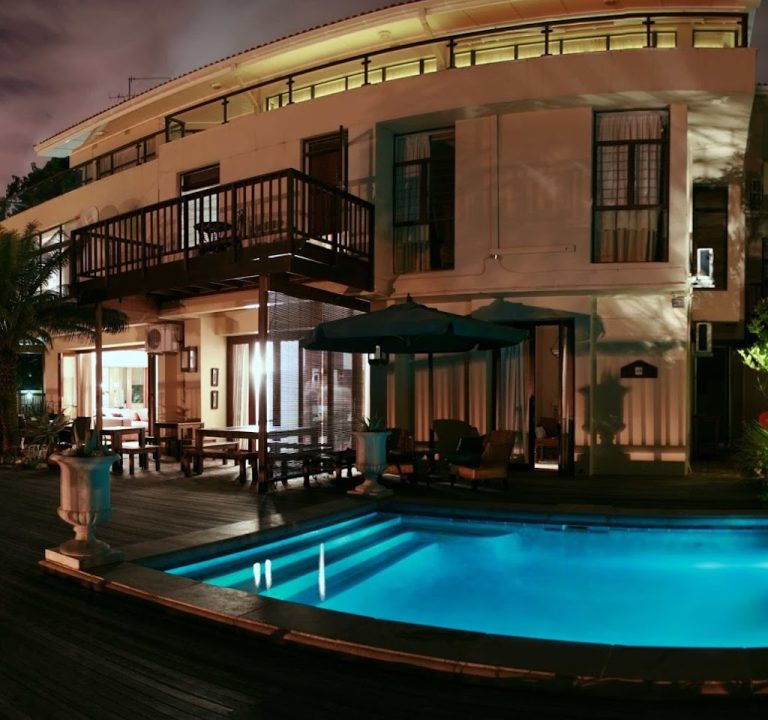
Highlight: Elephant House B&B is a recognised lodging option within Durban’s lodging landscape. Its character as a guesthouse contributes to the sense of a home base while you explore the city. For guests planning a stay here or at similar properties, the emphasis tends to be on comfortable rooms, personal service, and convenient access to the city’s attractions and dining options.
In summary, Durban offers a spectrum of accommodation choices that suit different itineraries and budgets. By focusing on location, essential amenities, and transport access, travellers can design a balanced stay that blends beach time with urban discoveries. With thoughtful planning and flexible expectations, a Durban visit can be relaxing, energising, and richly rewarding.