Durban: Accommodation, attractions and planning a traveller-friendly stay in KwaZulu-Natal
Durban offers a welcoming mix of sunny beaches, vibrant neighbourhoods and a laid‑back South African hospitality that suits a range of travellers. When planning a stay, it’s helpful to think about what you want to get from the visit — whether it’s easy access to the coast, a cultural mix of markets and galleries, or a base that makes day trips to the surrounding KwaZulu-Natal scenery straightforward. Durban’s accommodation sector ranges from intimate guest houses and B&Bs to boutique hotels and self‑catering apartments, each with its own character and practical perks.
Areas to consider for a base. The coast is where most visitors spend their time, with the Golden Mile and beachfront precincts offering easy walks along the promenade, cycle lanes and a sense of summer all year round. For a more relaxed, leafy feel, Berea and Glenwood provide tree-lined streets, classic mid-century architecture and easy access to shops and cafés. Umhlanga and Le Capella-style coastal pockets on the northern fringe are popular for a beachfront rhythm and modern amenities. If you’d prefer a lower‑key, residential ambience with quick access to central Durban, the central business district and surrounding suburbs can offer good value and a chance to see a different slice of everyday life in the city.
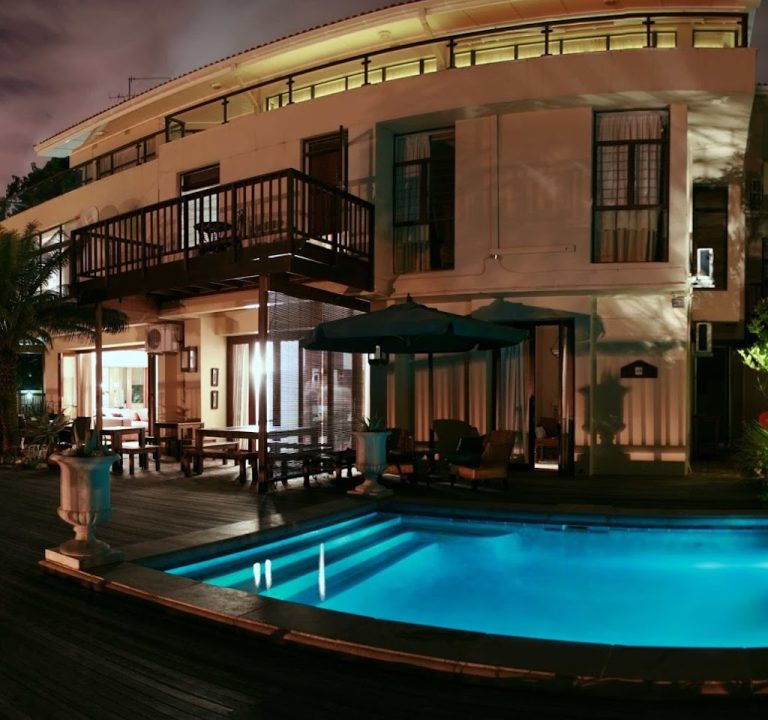
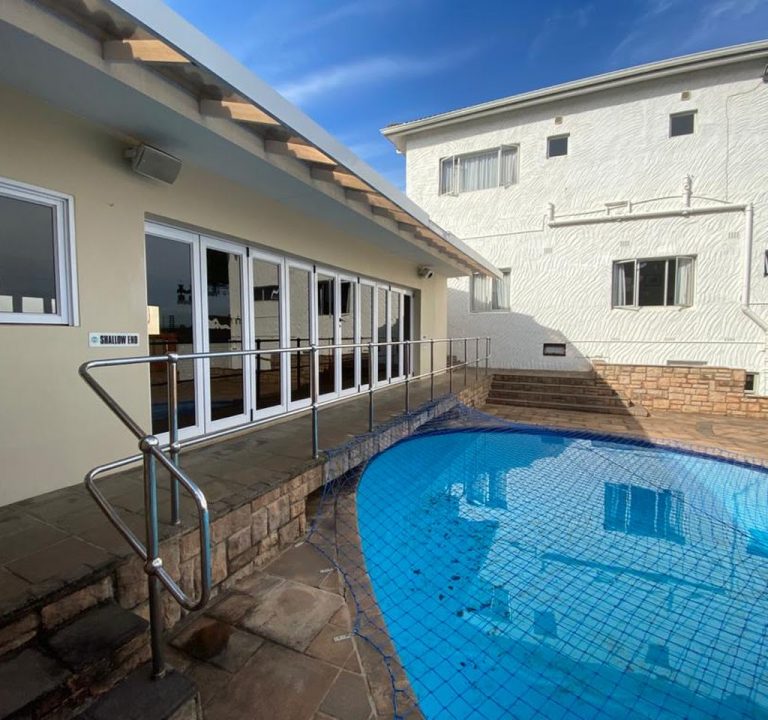
Choosing accommodation: what to look for. Consider proximity to the beaches, transport links and the areas you plan to explore on foot or by car. Look for hosts who clearly describe parking options, access to public transport or guest car facilities. Check guest reviews for notes on sound levels, especially if your stay includes weekend nights or events in the city. For a comfortable stay, typical amenities to expect include a private or shared bathroom, reliable Wi‑Fi, daily or self‑serve breakfast, and access to a guest kitchen or lounge. A pool, secure on‑site parking, and thoughtful touches such as a welcoming lounge or courtyard can make a stay more relaxing after busy days exploring the region. If you are travelling with family or a group, explore options for family rooms or self‑catering suites that offer flexibility and value.
Accommodation types and what they offer. Guest houses and B&Bs in Durban often emphasise personal touches, with hosts providing local tips and often a homemade breakfast. Boutique hotels can blend stylish interiors with convenient locations, while self‑catering apartments give you the freedom to dine on your own schedule. For those seeking a touch of tranquillity after city life, lodges or countryside‑inspired stays slightly outside the urban core can provide a refreshing contrast. When booking, read the cancellation policy and check if there are any seasonal rate changes or minimum-stay requirements. For longer stays, ask about weekly housekeeping, laundry facilities, and whether kitchens are fully equipped.
Transport and getting around. Durban’s coastline is best enjoyed on foot or by short taxi rides, while larger trips to the suburbs or nearby towns are usually easiest by car or ride‑hailing services. If you plan to explore beyond the city, it can be helpful to rent a vehicle for a few days or coordinate with your accommodation about guided day trips. Some areas offer easy access to coastal walks, markets and botanical spaces, while others are better explored with a vehicle or reliable public transport links. Always factor in safety and peak traffic times when planning day trips, particularly during weekends and public holidays.
Best time to visit. Durban enjoys warm weather for much of the year, making summer and shoulder seasons particularly pleasant for beach days, outdoor markets and al fresco dining. The region experiences tropical‑influenced rainfall patterns, so a light rain jacket or umbrella can be useful during wetter months. Winter is mild compared with inland South Africa, so a briefer break with outdoor activity remains feasible for travellers who want to enjoy coastal walks, seaside cafés and the city’s cultural venues without peak‑season crowds. If you’re visiting for specific events, check local calendars and book ahead to secure preferred accommodation and proximity to venues.
What to do and where to eat, in broad terms. In Durban you will find a mix of seaside experiences, markets, art galleries and insightful cultural spaces. Expect precincts that offer street food, casual eateries and family‑friendly restaurants that specialise in coastal cuisine and flavours from across KwaZulu‑Natal. If you like markets and delis, look for places that showcase fresh produce and handmade goods. For dining, choose places with dependable reviews that foreground fresh ingredients and value for money, and consider trying a few casual meals in local neighbourhoods to get a sense of Durban’s everyday hospitality. For a broader plan, a day near the coast can combine a beach stroll with a riverside or harbour walk, followed by a relaxed dinner sitting outside in a market‑style or café setting.
Practical planning tips. Do a quick check on the local transport options from your accommodation listing and signpost yourself to the nearest safe pedestrian routes. Pack sun protection, a light jacket for cooler evenings and a reusable water bottle — Durban’s sunny climate makes hydration important. If you’re sensitive to heat, schedule outdoor activities for the morning or late afternoon. For safety, use reputable transport options, secure your belongings when out and about, and stay informed about local advisories.make sure you have the travel documentation you need and a copy of your essential information in a separate location. A well‑planned stay can weave together comfortable lodging, easy transit, and the chance to savour Durban’s warmth, scenery and hospitality.
For further inspiration and practical tips on Durban’s visitor experiences and accommodation options, you can visit the official Durban tourism portal: Durban Tourism.