Savvy accommodation and experiences in Durban, KwaZulu-Natal
Durban is a vibrant coastal city that blends tropical sunshine with a distinct cultural tapestry. When planning a stay, it helps to think in terms of neighbourhoods, access to beaches, and easy routes to the city’s bustling dining and entertainment scene. The central beachfront and the Golden Mile are popular options for first‑time visitors, offering a compact area where many hotels, guesthouses and lodges are within comfortable walking distance of the sea, promenades, and a lively arts and food scene. For a more relaxed vibe, inland suburbs such as Durban North or the leafy riverbank precincts provide quieter stays with convenient links to the coast and to the M4 corridor toward the airport and southern attractions.
Accommodation in Durban ranges from contemporary hotels and boutique guesthouses to traditional lodges and family‑run spots. When evaluating options, consider the following aspects to ensure a comfortable stay. Look for rooms with air conditioning or adequate cooling for Durban’s warm climate, reliable Wi‑Fi for planning days out, and on‑site parking if you’re driving. Proximity to transport hubs, such as major roads or train and bus services, can save time on day trips. If you prefer a coastal ambience, seek properties with easy beach access or striking sea views. For a quieter base, choose a lodge or guesthouse set back from the busiest streets yet still within reach of restaurants and shops.
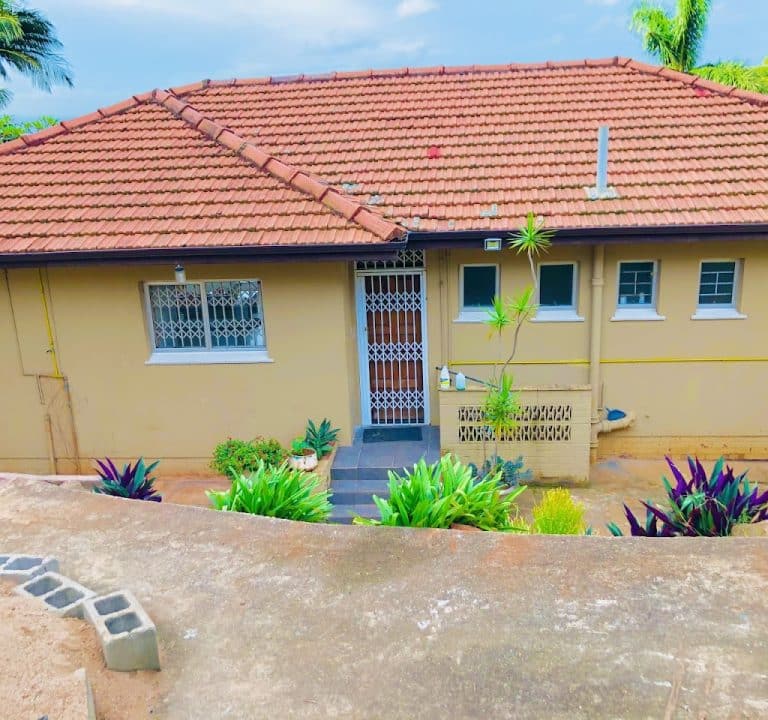
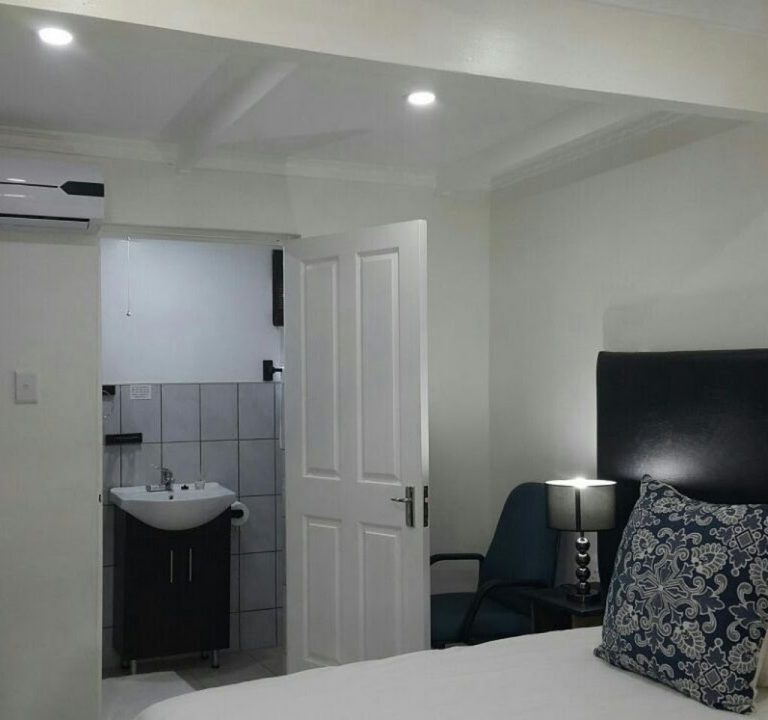
One well‑established option to consider is the Royal Lodge, a lodge in a convenient location with appealing guestroom options and a friendly atmosphere. Its official site provides an overview of facilities and nearby attractions, and it can serve as a solid base for exploring the city’s coast and inland highlights: Royal Lodge Durban.
The best time to visit Durban hinges on the climate and your priorities. The city enjoys mild winters and hot summers, with a peak tourist season in the December to February window. Spring and autumn are pleasant for outdoor activities and sightseeing, offering kinder temperatures and fewer crowds. If you’re hoping for calmer beaches and lower humidity, aim for the shoulder seasons or shoulder months when rainfall is less frequent and the sea is still inviting for a swim or a stroll along the promenade.
Whether you’re travelling solo, as a couple, or with family, there are a few practical tips to help you plan a smoother stay. Consider the following during booking and packing:
- Check for flexible cancellation policies in case travel plans shift.
- Ask about security measures and a guest‑friendly neighbourhood option, particularly if you’ll be out after dark.
- Verify access to a kitchenette or self‑catering facilities if you prefer to prepare some meals.
- Look for responsive hosts or staff who can share local tips on transport and safety.
- Evaluate bed sizes, heating or cooling systems, and the availability of extra sleeping arrangements for groups.
Getting around Durban is straightforward with a mix of self‑drive, taxis, and urban transport options. If you plan a coastal itinerary, a stay near the beachfront makes it easy to stroll to cafés, markets and outdoor spaces. For wider exploration, consider hiring a car to visit the inland suburbs and surrounding nature reserves, or join guided day trips to coastal towns and scenic routes along the Indian Ocean coastline. The city’s routes connect to broader KwaZulu‑Natal highlights such as nature reserves, wildlife experiences, and cultural venues, so a balanced plan often includes a blend of beach time, city culture, and a taste of KwaZulu‑Natal’s landscapes.
Durban’s dining scene is as diverse as its climate. From family‑run eateries serving traditional favourites to modern bistros with coastal ingredients, you’ll find options to match most appetites and budgets. While this article does not list specific restaurant names or prices, expect plenty of casual beachfront spots, markets with fresh fruit and street food, and stylish eateries that celebrate seafood, curry, curries and pan‑African influences. When planning meals, consider first light options near your lodging for a relaxed start to the day, and keep an eye out for sunset dining along the promenade where the ocean provides a dynamic backdrop.
In terms of attractions, Durban offers a mix of outdoor appeal and cultural experiences. You’ll likely encounter long sandy beaches, landscaped promenades, and parks ideal for families and strolls. Museums, galleries and cultural centres provide insights into the city’s history and contemporary life, while zoo and aquarium visits are common family detours. For a broader sense of the region, consider day trips to nearby towns or nature reserves that showcase KwaZulu‑Natal’s natural beauty and wildlife. Always check current hours and access details ahead of time, and plan to leave ample time for travel between sites.
Finally, practical planning tips: map out a core set of priorities for your stay—be it beach time, a cultural day, or a nature outing—and build your itinerary around those anchors. Pack sun protection, light layers for coastal breezes, and a modest umbrella for sudden showers in the shoulder seasons. If you’re driving, ensure you have a parking plan at your accommodation and be mindful of traffic patterns during peak hours. Durban is a forgiving city for visitors who stay flexible and open to discovering new places, from seaside walks to vibrant markets and welcoming guest spaces.