Durban, KwaZulu-Natal: Stay, savour, and explore the city’s coastal rich tapestry
Durban offers a warm welcome to travellers who want a balanced mix of sun, sea, culture and easy-going city life. When planning a stay, consider the city’s diverse neighbourhoods, each with its own rhythm. A stay in the beachfront precincts tends to be tailored for easy access to the sands, while central and northern districts offer convenient links to shops, restaurants and wider transport networks. Durban’s climate makes it a year‑round destination, but the best time to visit for beach days is typically the drier, sunnier period between late spring and early autumn. Off-peak periods can bring calmer streets and better value, with the city’s hospitality scene remaining warm and welcoming throughout.
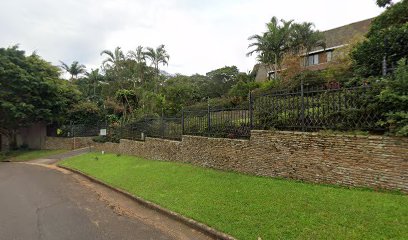
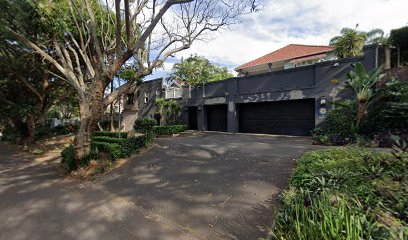
Accommodation options in Durban span stylish boutique guesthouses, family-run B&Bs, modern hotels and self-catering apartments. If you want a radio‑quiet base with a leafy feel, look to the inland or hill neighbourhoods where guesthouses and small hotels often blend a cosy, personalised ambience with convenient access to main roads and parks. Those who prefer direct sea views or a buzzy promenade atmosphere usually opt for properties along the coast, particularly in areas adjacent to the Golden Mile, where you’ll find a string of eateries, cafés and family-friendly activities close at hand.
What to look for when booking a place to stay:
- Location and access: Proximity to beaches, major roads, and reliable public transport. If you plan day trips or want quick access to the harbour and markets, choose a well‑connected area.
- Amenities: Look for free Wi‑Fi, air conditioning (important in Durban’s warmer months), secure parking if you’re driving, and a practical kitchenette or breakfast options if you prefer self‑catering.
- Guest experience: Check reviews for the personal touches that matter to you—helpful hosts, honest recommendations, and clean, well‑maintained spaces.
- Transport options: Consider how easy it is to move around without a car. Availability of local taxis, ride‑hailing services, and access to bus routes or the MyCiTi system can save time.
- Safety and accessibility: Some areas are more residential and quieter after dark, while others buzz with nightlife. If you have mobility requirements, confirm ground‑floor access or elevator availability.
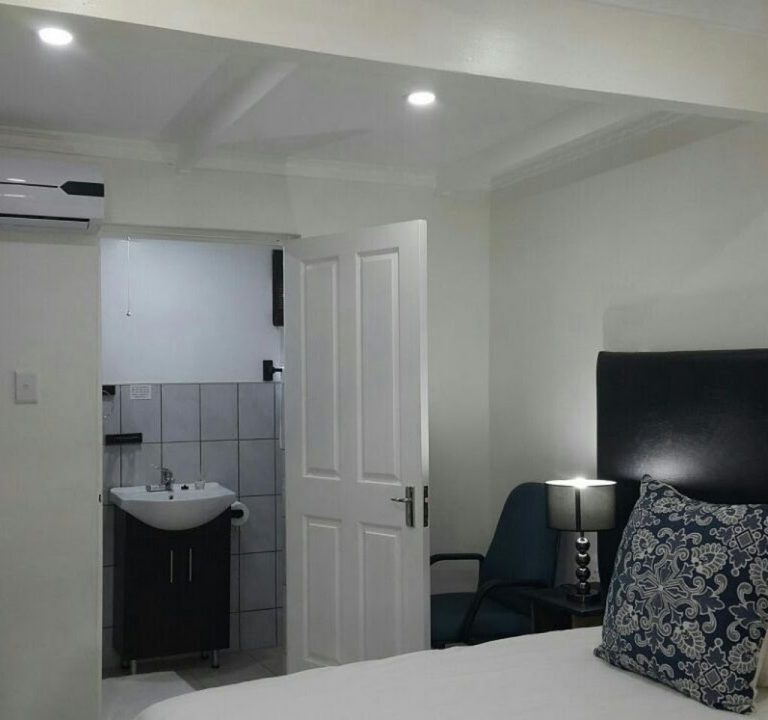
Typical amenities you can expect in Durban’s accommodation scene include comfortable beds, ensuite showers, and good housekeeping. Many guesthouses and boutique hotels offer a continental or cooked breakfast, which is a pleasant way to start a day of sightseeing. Reception hours, on-site parking, and laundry facilities are common considerations for longer stays. If you’re all about convenience, some self‑catering apartments provide full kitchens, allowing you to cook local produce bought from nearby markets or supermarkets.
Getting around Durban is straightforward with options to suit different travellers. The city has a growing public transport network, including bus services and ride‑hailing apps, which are convenient for short day trips to the coast or inland attractions. If you’re exploring beyond the city, renting a car gives you flexibility for scenic drives into the surrounding KwaZulu‑Natal countryside, where rolling hills and rural townships reveal another layer of the province’s heritage.
Durban’s attractions span beaches, wildlife, culture and cuisine. On the coast, you’ll naturally want to spend time on long stretches of warm sand and along a lively promenade, which is dotted with cafés and casual eateries. The inland offers lush botanic splendour, historic streets, and vibrant markets where you can sample local crafts and foods. A family day out could include a seaside aquarium and theme-park experiences that provide a light‑hearted contrast to museum‑ and gallery‑going days. For nature lovers, nearby hills and valleys offer viewpoints and scenic drives that highlight the region’s lush, verdant landscapes.
When it comes to dining, Durban’s food scene is wonderfully diverse. Expect a mix of coastal seafood, Indian-inspired curry houses, and contemporary urban cuisine. Many hotels and guesthouses provide on‑site dining or can point you to trusted local venues that deliver a sense of place without needing a long journey. If you enjoy markets, you’ll find food stalls and aisles offering fresh fruit, roasted coffee, and street‑side snacks. For evenings out, there are options ranging from casual eateries by the beach to more atmospheric, neighbourhood bistros that showcase modern South African cooking with international influences.
Practical tips to help you plan a smooth stay:
- Book early for peak seasonal periods, especially in beachfront zones, to secure the best views and prices.
- Check cancellation policies and the level of flexibility offered, in case travel plans shift.
- Confirm check‑in times and whether late arrivals can be accommodated, particularly if you’re arriving after dark.
- Pack sun protection, a light rain layer for the coast, and comfortable footwear for strolls along promenades and markets.
- Explore nearby day trips and regional attractions ahead of time, but leave some room for spontaneous discoveries and recommendations from your host or accommodation staff.
For more inspiration and up-to-date travel tips, you can explore Durban’s official tourism resources or trusted travel guides online. Whether you’re seeking a restful base near the waves, a lively district full of eateries, or a quiet hillside retreat with garden‑fresh views, Durban can cater to every kind of traveller and every itinerary. A well‑chosen stay, paired with thoughtful planning, makes it easy to uncover the warmth and colour of KwaZulu‑Natal’s stunning coast.