Durban in comfort: where to stay, what to do and how to plan your visit
Durban, a vibrant coastal city in KwaZulu-Natal, offers a rich mix of beaches, subtropical scenery, and a flavourful cultural scene. When choosing accommodation, consider whether you want a beachside base with easy access to the Golden Mile and the harbour, or a more residential neighbourhood ambience with easy links to the city centre. Durban’s guest houses, boutique hotels and self-catering options provide a range of experiences, from laid‑back BnB charm to modern amenities with private gardens and secure parking.
Many visitors favour staying in areas such as along the beachfront for sea views and easy strolls to restaurants and bars, or in residential wards closer to the city centre for convenient access to markets, eateries and cultural sites. Durban North, Umhlanga and the Umhlanga Rocks precinct offer a mix of high-end lodgings and mid-range guest houses with generally reliable transport links to the city centre and the airport. If you prefer a quieter start to the day with broader garden spaces, look for properties in Musgrave, Greyville or the suburb of Windermere, where a classic Durban residential vibe meets easy access to the city’s cultural hotspots.
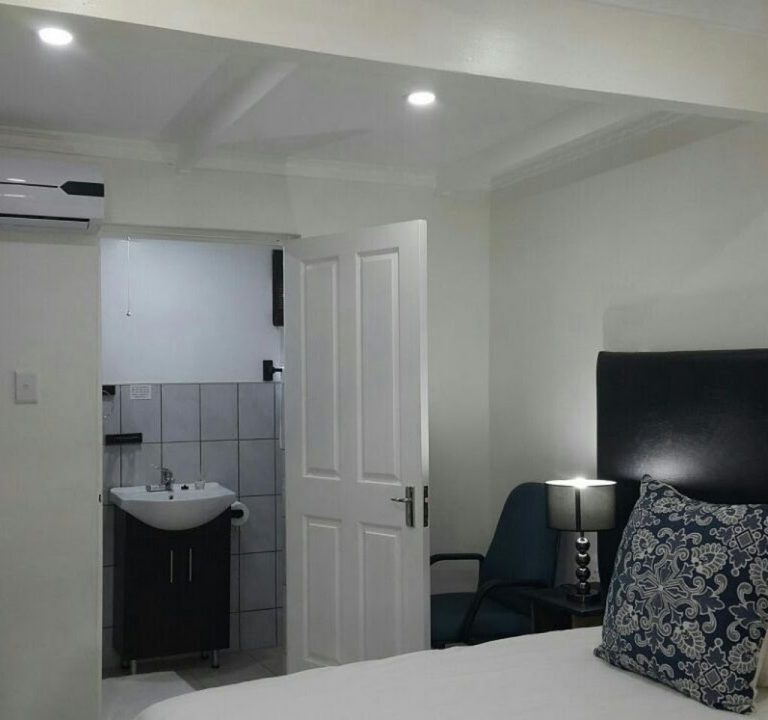
Booking considerations include the type of room, breakfast arrangements, secure parking, and proximity to your planned activities. Many guest houses and boutique hotels in Durban include breakfast by default, with options for dinner or self-catering in some units. Check whether the property offers amenities such as air conditioning (important in Durban’s humid summer months), reliable Wi‑Fi, coffee/tea making facilities, and a pleasant outdoor area for evening relaxation. If you plan to drive, confirm on-site parking or nearby alternatives, as in popular areas parking can be limited or restricted.
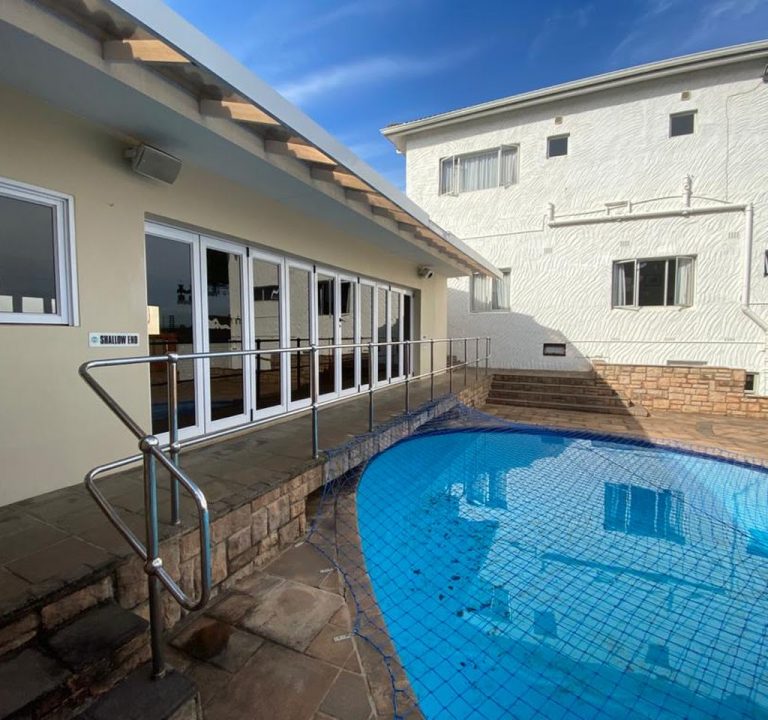
Typical amenities you might encounter in Durban accommodation include a private or shared pool, verandas or courtyards, guest lounges, and well-equipped kitchens for self‑catering stays. Some properties specialise in longer stays with workspaces or dedicated laundry facilities. If you’re visiting during peak tourist season, consider securing accommodation with a flexible cancellation policy and clear check‑in instructions, particularly if you’re arriving late from the airport or train station.
Transport options in Durban are varied. The city is served by a network of local taxis and rideshares, and some areas have good walkability or bicycle‑friendly routes. If you’re staying near the coast, you’ll likely find it convenient to explore on foot or by short rides to beach venues. For longer day trips—such as exploring the Valley of a Thousand Hills, the KwaZulu‑Natal Midlands, or the inland reserves—a rental car offers structure and freedom, though traffic can be busy in peak hours and during holidays.
The best time to visit Durban tends to be in the South African winter and spring months (roughly May to September) when the weather is mild and the humidity lower, making outdoor activities more pleasant. However, Durban’s subtropical climate means that summer visits (October to February) can also be enjoyable, with warm seas and lively beaches. If you’re planning outdoor activities such as beach walks, nature reserves, or golf, check the local forecast and plan for occasional rain in the summer months.
When planning a stay, balance your accommodation choice with access to attractions and dining options. Durban is known for its expansive coastline, excellent beaches and a thriving culinary scene that reflects Indian, African and colonial influences. Within the city, you’ll find promenades, markets, and cultural districts that invite exploration on foot or via a short taxi ride. For families and travellers seeking a relaxed pace, beachside properties with easy access to the promenade can be especially convenient, while business travellers may prioritise central locations with reliable Wi‑Fi and near‑by cafés and eateries.
In terms of visitor experiences, you might plan a mix of beach days, nature excursions and city experiences. Popular themes include coastal walks along the seafront, visits to botanical gardens and the harbour precinct, and meandering through diverse dining scenes that range from street‑food style lunches to more refined meals. For a balanced itinerary, allot a day or two to the central city area—where markets, museums, and architectural heritage provide insight into Durban’s multicultural fabric—and another day or two to undertake a nature or coastal activity, such as a river or hill‑country excursion nearby.
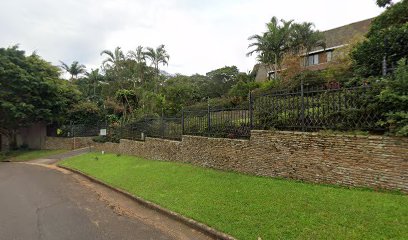
One example of accommodation you may encounter in Durban is a guest house that emphasises a personalised stay and guest‑facing service. Such properties often provide homely rooms, common lounges, and a garden setting, with breakfast or self‑catering options depending on the booking. For travellers curious about staying in KwaZulu‑Natal’s coastal heart, consider exploring the website of a well‑established guest house, which may offer a detailed overview of rooms, amenities, and boundary amenities, including secure parking and easy directions to local attractions. For those considering a stay at Fiddlers Rest, a Durban‑area guest house, you can view details, room configurations and access to surrounding amenities on its official website: Fiddlers Rest.
- Look for clear booking terms and a transparent cancellation policy
- Check for essential amenities: air conditioning, Wi‑Fi, parking
- Assess proximity to beaches, markets, and central attractions
- Consider transportation options and ease of access to your planned activities
- Read guest reviews for practical tips on location and service
Durban’s accommodation and attractions together create a flexible and welcoming base for discovering KwaZulu‑Natal. With careful planning—choosing the right area, understanding transport options, and knowing what to expect from amenities—you can enjoy a relaxed stay while discovering the city’s warmth, coastline and culinary diversity.