Durban: Where to stay, what to do and how to plan your visit
Durban, a vibrant port city on the KwaZulu-Natal coast, offers a mix of family-friendly resorts, stylish boutique stays and contemporary city hotels. When planning a trip, consider staying in areas that suit your rhythm: the bustling beachfront promenade and Golden Mile for easy sea access and lively night-time buzz; Umhlanga and the Umhlanga Rocks area for a resort feel with modern dining and shopping; and Glenwood or Morningside for walkable streets, leafy neighbourhoods and a calmer, more local vibe. For a more scenic escape, explore the hillier valleys just inland, where tea farms and panoramic views await.
Booking accommodation in Durban should balance location, amenities and access to transport. Look for properties that offer secure parking or easy access to taxis and ride-hailing services, especially if you plan to explore after dark. If you’ll be relying on public transport, check proximity to major bus routes or rail links, and confirm whether the property can assist with airport transfers or guest shuttles. Durban experiences a subtropical climate, so plan according to the season: the summer months (roughly October to March) bring heat and humidity with the possibility of thunderstorms, while the drier, cooler winter season (May to August) is pleasant for exploring outdoors.
Typical amenities to expect in Durban accommodation include reliable air conditioning, Wi‑Fi, a pool (many properties have rooftop or private pools), and on-site restaurants or easy access to well-regarded eateries. For a more intimate stay, the boutique end of the market offers personalised service, stylish interiors and convenient access to neighbourhood spots. If you’re visiting with children, look for family rooms, interconnecting suites or properties that can arrange family-friendly activities nearby. For business travellers or longer stays, full-service hotels with workspaces, meeting rooms and laundry facilities can be particularly practical.
Planning tips to help you make the most of your stay:
- Choose a base near the coast for easy beach access and strolls along the promenade, or pick a hilltop area for views and cooler evenings.
- Check the property’s access to reliable Wi‑Fi, on-site parking and security features, particularly if you are travelling with valuables.
- Look for a property that can assist with short trips to nearby attractions and offer recommendations for local eateries and experiences.
- Ask about child-friendly facilities if you are travelling with youngsters, including play areas or crèche services if available.
- Review the cancellation policy, especially in busy seasons or around public holidays when plans may shift.
Durban’s top attractions are spread across a mix of grand façades and natural landscapes. On the coast, the Golden Mile is a lively stretch with promenades, parks and views of the Indian Ocean. A day spent exploring the beachfront often includes a visit to a family-friendly attraction, markets, souvenir shops and casual eateries. Inland, the Valley of a Thousand Hills offers scenic drives and viewpoints that showcase KwaZulu-Natal’s green, hilly terrain—a great option for a day trip or a guided excursion. For a sense of marine life and sea-themed experiences, a visit to the city’s waterfront precinct can be combined with a stroll to nearby parks and public art.
Durban’s food scene is diverse, with seafood eateries and curry houses reflecting the city’s cultural fusion. Expect casual dining that showcases local ingredients, with options ranging from spicy favourites to lighter coastal fare. If you prefer a structured dining plan, many hotels and guesthouses offer excellent restaurant recommendations or in-house dining concepts. Always book ahead during peak periods, especially in coastal suburbs where demand is high in holiday seasons.
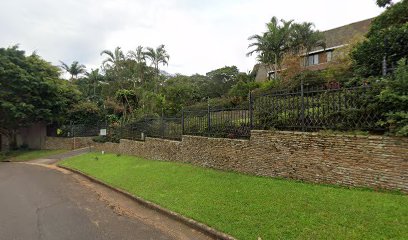
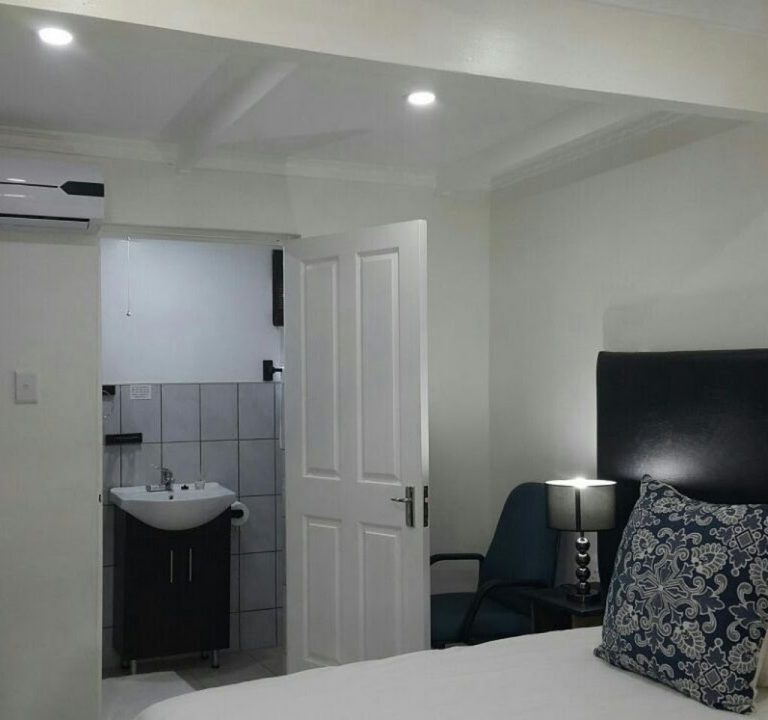
Accommodations in Durban span a spectrum from large hotels in dedicated beachfront precincts to intimate guesthouses in leafy suburbs. A boutique stay such as Emakhosini Boutique Hotel, with its stylish interiors and personalised service, can provide a comfortable base while you explore the city. For more information about this property, you can visit their official site at https://www.emakhosinihotels.com/. Other well-regarded options include modern city hotels near central transport links, and resort-style stays along the coast that offer pools, spa facilities and tropical-inspired dining.
Getting around Durban efficiently helps you maximise your stay. Taxis and rideshare services are widely available, and many hotels can arrange airport transfers or private drivers for day trips. If you’re driving, Durban’s main arterial routes connect to the N2 highway heading north or south, and traffic can be heavy during peak hours, so plan accordingly. For those who enjoy rail travel, local commuter services connect some coastal suburbs with central Durban, though services outside peak times may be less frequent.
The best time to visit Durban is subjective, but most travellers opt for the dry winter months (often May to August) for comfortable day trips and wildlife excursions nearby. If you’re drawn to marine life and beaches, year-round visits are feasible, though summer can bring higher humidity and afternoon showers. Pack light layers for evenings and a sun hat for daytime explorations, plus a reusable water bottle to stay hydrated as you stroll along the coast.
Whether you’re seeking a restful seaside retreat, a city-break with cultural flavour, or a convenient base for day trips into KwaZulu-Natal’s lush hinterland, Durban offers a welcoming mix of accommodation, dining and activities. By choosing the right area for your stay, evaluating the essentials when you book, and planning transport and timing around the climate and events, you can enjoy a smooth, enjoyable visit to this dynamic South African destination.