Durban: Where to Stay, Explore and Dine in KwaZulu-Natal
Durban, on KwaZulu-Natal’s subtropical coast, offers a broad range of accommodation to suit wanderers and families alike. From boutique guest houses close to the Golden Mile to contemporary city-centre hotels and laid-back lodges along the northern shores, there are options to fit most itineraries and budgets. A stay can be as relaxed as a seaside break or as cosmopolitan as a stay in a vibrant urban precinct, subject to the pace you choose.
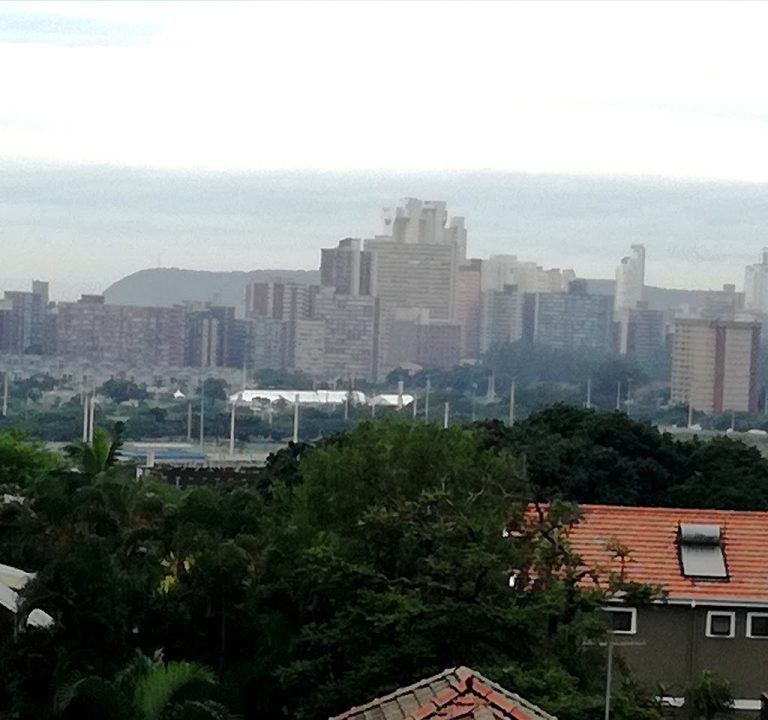
When planning where to stay, it helps to think about areas and what they offer. The beachfront stretches along the Golden Mile and Umhlanga’s crescent is popular for its promenade access, cafes and easy beach days. For travellers seeking a more residential feel, the Berea and Morningside areas provide leafy streets, local eateries and convenient access to major routes. Durban North offers a calmer coastal vibe with a mix of guest houses and small hotels, while the city centre is a practical base for business trips or cultural explorations and can place you within quick reach of museums and markets.
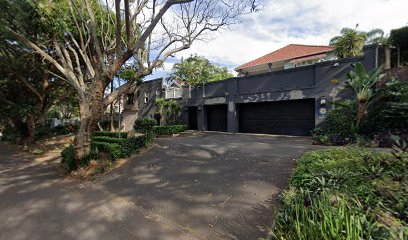
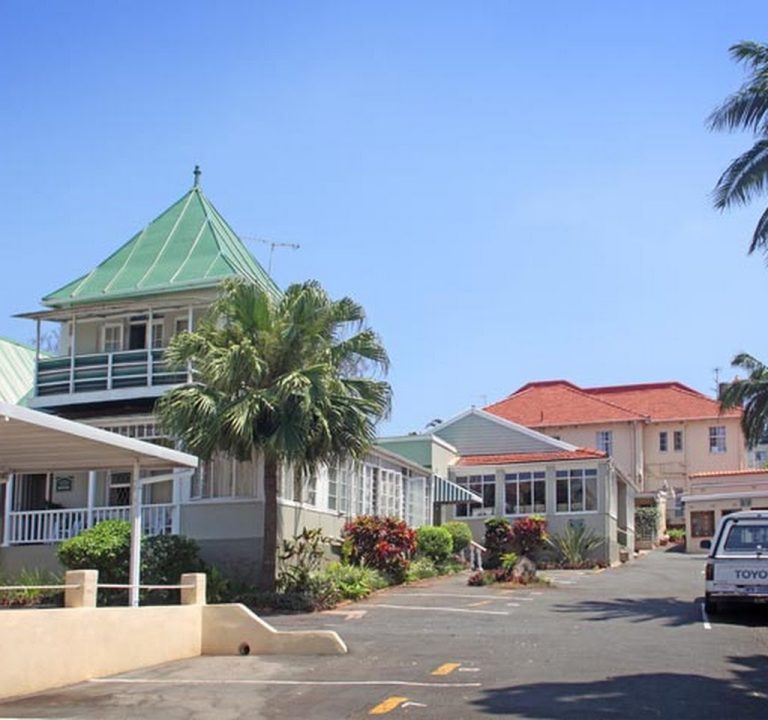
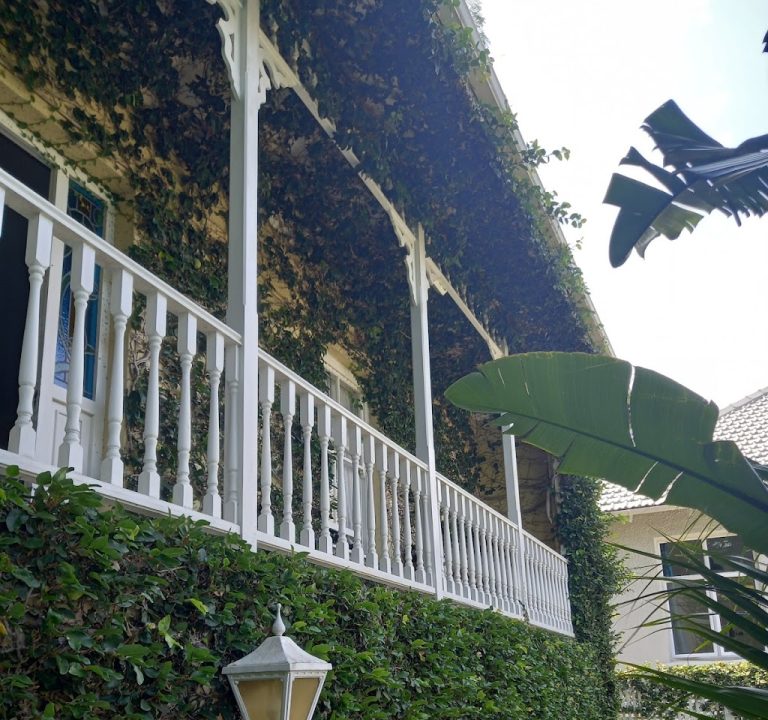
Hopwood House, a well-regarded guest house in the Durban area, exemplifies how a thoughtfully run stay can combine comfort with local character. Guest houses and small hotels in Durban often emphasise personal touches, breakfast options and a friendly staff ethos, which can be a refreshing counterpoint to larger chain hotels.
Typical amenities to look for when booking include secure parking or easy street access for transfers, reliable WiFi, air conditioning or fans (Durban’s climate can be hot and humid in summer), friendly reception hours, and clear policies on cancellations and late arrivals. If you plan to travel with family, check room configurations (interconnecting rooms or suites), child-friendly spaces, and whether there are communal areas for relaxing after a day of sightseeing. For longer stays, consider self-catering or kitchenette facilities, laundry access, and any included meals or brunch options.
Transport around Durban is straightforward but worth planning in advance. If you’re not renting a car, you’ll find Uber and other ride-hailing services useful for quick trips to beaches, markets and restaurants. Local taxis are accessible, and some guest houses offer shuttle services or curated walking routes to nearby attractions. For day trips further afield, a car is convenient to explore places like uShaka Marine World precinct, the blossoming Botanical Gardens, and nearby nature reserves along the coast. When booking, confirm accessibility to taxi routes and whether the property can assist with airport or harbour transfers if required.
The best time to visit Durban tends to be during the drier shoulder seasons, particularly April to May and September to October, when the weather is pleasant and crowds are slightly more manageable. Summers (roughly October to March) bring heat and humidity, with afternoon thunderstorms possible, while winter (June to August) offers milder days that are comfortable for exploring the city’s outdoor spaces. Pack light clothing, a hat and sunscreen for daytime, plus a light jacket for evenings along the coast.
Durban’s attractions are spread across a hospitality-inspired mix of nature, culture and cuisine. Visitors can enjoy long coastal walks, markets and craft stalls, and the city’s rich maritime heritage. For a relaxed day, a stroll along the promenade, time at a beachfront cafe, and a visit to public gardens can be perfect. If you’re interested in culture, galleries and museums provide insight into KwaZulu-Natal’s diverse roots, while the harbour and waterfront precincts offer seafood-focused dining experiences and family-friendly activities. For the food-conscious traveller, Durban’s restaurants emphasise fresh seafood, vibrant flavours and regional influences, with many venues offering outdoor seating that suits warm days by the sea. Restaurants range from casual bistros to more refined venues, often with a focus on local ingredients and seasonal menus.
Practical planning tips to maximise your stay:
- Book accommodation with clear cancellation policies and flexible check-in times, especially if your plans include flying in from elsewhere or changing itineraries.
- Choose a base that minimises daily travel time to your preferred activities—beach days and relaxed strolls are easier from beachfront or nearby neighbourhood locations, while a city-centre stay can cut travel time for museums and markets.
- Consider guest houses or small hotels with a personal touch, which often provide helpful local tips and a friendly, family-style atmosphere.
- Check for amenities such as secure parking, reliable WiFi, air conditioning or ceiling fans, and self-catering facilities if you’d like occasional meals in your room.
- Plan your beach days around the tides and weather. Sunscreen, a light cover-up and a reusable water bottle will keep you comfortable on longer stretches along the coast.
- Research nearby markets and food hubs to sample Durban’s seafood and regional flavours without needing to travel far from your base.
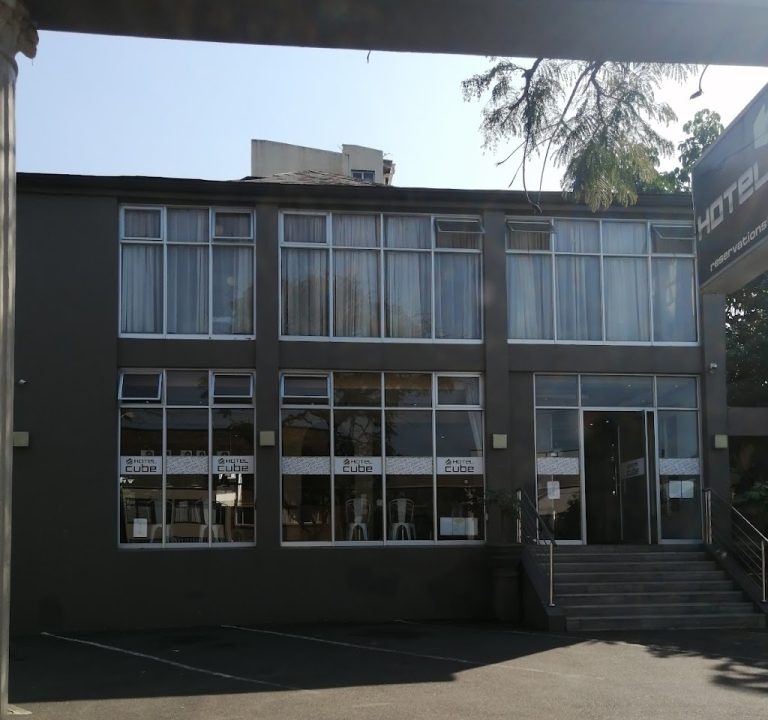
Durban’s accommodation scene is well suited to travellers who value warmth, practicality and a sense of place. Whether you choose a characterful guest house in a leafy suburb or a modern hotel near the harbour, planning with a clear idea of area, amenities and transport options will help you tailor a stay that makes the most of KwaZulu-Natal’s vibrant coastline. For more ideas and practical tips, consider checking official tourism resources and regional guides to build a tailored itinerary that includes your preferred beaches, markets and dining experiences.