Durban: where to stay, eat, and explore in KwaZulu-Natal
Durban sits on the eastern coast of South Africa, offering a laid‑back surfer vibe beside a bustling urban heart. When planning a stay, think about the neighbourhoods that fit your pace and priorities. The beachfront precincts along the Golden Mile are ideal for easy access to promenades, sea air and family‑friendly activities, while inland districts such as the Berea or Morningside provide a more residential ambience, with convenient access to shops, cafés and a handful of boutique lodgings. Durban North and Umhlanga offer a quieter, more upmarket feel with excellent access to coastline drives and coastal leisure facilities. Consider your priorities—proximity to the beach, easy transport links, or a lively dining scene—and choose a base that suits your itinerary.
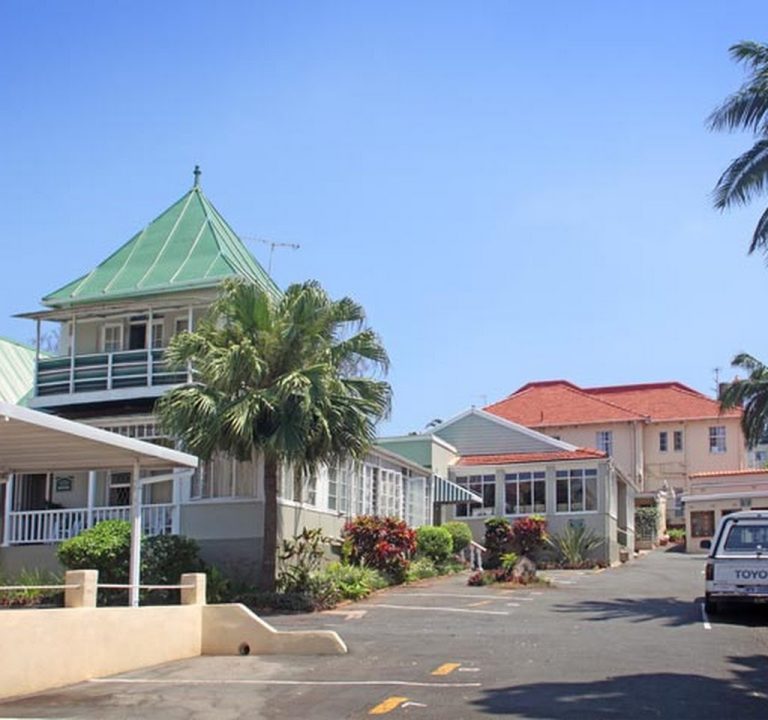
When booking accommodation, look for a few practical essentials. A room with good natural light and reliable air conditioning is welcome in Durban’s subtropical climate. Check for secure parking if you are driving, or confirm easy access to public transport if you plan to rely on taxis or ride‑hailing services. Reviews can reveal how friendly the staff are, how clean the rooms are, and whether daily housekeeping or self‑catering options meet your needs. If you’re travelling with family or in a group, consider a guesthouse or lodge that offers family rooms or shared lounges. For those seeking a little indulgence, boutique hotels and lodges in residential pockets often mix personalised service with stylish interiors.
Typical amenities to look for include free Wi‑Fi, a continental or cooked breakfast, and on‑site parking. Some properties offer access to swimming pools, outdoor terraces or rooftop decks—perfect for afternoon sun and sunset views over the Indian Ocean. In Durban, many guesthouses and lodges also provide curated local knowledge, including tips on safe beach hours, popular markets, and day trips to the surrounding countryside. If you’re travelling by car, note the coastal route is pleasantly scenic but can be busy at peak hours, so planning your day around travel times helps minimise delays.
Transport options in Durban are varied and practical for most visitors. The city’s coastline is walkable in several parts, especially along the beachfront and promenade, where you’ll find casual eateries and street‑level entertainment. For longer trips or airport transfers, Uber, other ride‑hailing services, and metered taxis are common. If you prefer public options, consider the larger taxi routes and any seasonal shuttle services offered by hotels or guesthouses. Car hire is convenient if you plan day trips to inland attractions or nearby nature reserves.
The best time to visit Durban blends warm, sunny days with manageable humidity. Summer (roughly October to March) brings heat and late-afternoon showers, while winter (May to August) is mild and comfortable, with cooler evenings. If you wish to combine beach time with outdoor activities, late spring or early autumn often provides a pleasant balance of warmth and lower crowds. For those keen on cultural events and markets, keep an eye on local calendars, as Durban hosts a range of music, food and craft fairs throughout the year.
Durban’s highlights sit across a spectrum of outdoor adventures, heritage sites and culinary experiences. On the coast, long stretches of beach are popular for swimming and surfing, and many resorts offer beginner‑friendly lessons and equipment hire. The promenade and nearby parks provide a convenient setting for family picnics and casual strolls. Inland, you’ll encounter lush botanical spaces, including a major city garden with an established collection and shaded paths for quiet moments or a gentle jog. For those curious about local culture, simple guided walks or museum visits can reveal the city’s history, architecture and maritime heritage in approachable, unpressured ways.
Dining in Durban ranges from casual beachside cafés to more refined establishments offering global and regional dishes. Expect a diverse culinary scene influenced by Indian, African and European flavours, with options for seafood lovers, traditional braais and contemporary eateries. If you’re keeping a flexible itinerary, you might structure evenings around a stroll to a waterfront area, followed by a relaxed dinner at a restaurant that welcomes walk‑ins or makes reservations easy via the property’s front desk or a trusted app. Many accommodation providers are well placed to recommend neighbourhood‑specific favourites and seasonal specials.
To help you plan, here are a few practical considerations to guide your stay:
- Choose a base with easy access to the coastline for daily beach visits and morning rambles.
- Consider a guesthouse or lodge with a communal lounge or garden to meet other travellers and swap tips.
- Check parking arrangements if you’re driving; on‑site parking is convenient but not universal.
- Ask about safety provisions and recommended local practices, especially if you plan to walk to evening venues.
- Look for properties that offer communal kitchens or continental breakfasts to simplify mornings between activities.
Durban is a city of contrasts: the colour and rhythm of its streets, the easy sea breeze, and a hospitality that tends to be warm and practical. By selecting a well‑placed base, planning around transport options, and keeping expectations flexible, you can enjoy a memorable stay that balances relaxing beach time with engaging experiences and good, unhurried meals. For the best preparation, consult accommodation websites and trusted travel guides, and let the area’s natural beauty and friendly corners guide your itinerary.