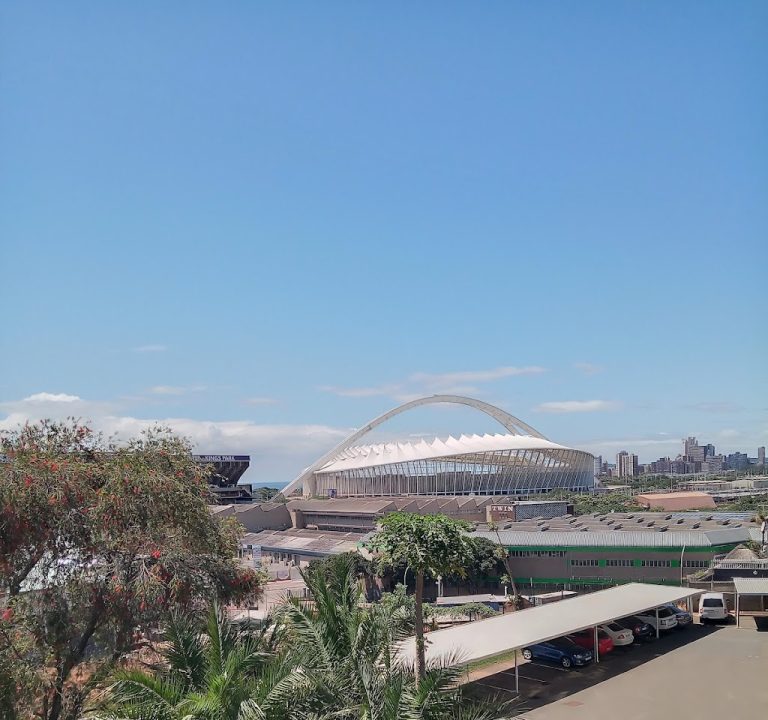
Durban: accommodation and experiences in KwaZulu-Natal
Durban offers a welcoming mix of sunny beaches, vibrant neighbourhoods and a warm sea breeze that makes it a favourite for travellers seeking a relaxed yet culturally rich break. When planning a stay in Durban, consider staying near the coast for easy access to beaches and promenade walks, or in inland neighbourhoods which place you closer to city amenities, markets and dining rooms. For a shorter visit, a guesthouse with easy access to the Golden Mile and the harbour can provide a comfortable base from which to explore the highlights without long daily commutes.
Accommodation in Durban ranges from boutique guest houses and family-run BnBs to modern hotels and self-catering apartments. When choosing a place to stay, look for en-suite bathrooms, reliable air conditioning or ceiling fans (Durban can be hot in the summer), secure parking, and convenient access to public transport or taxi services. A light breakfast option or a kitchen facility can be a practical touch if you plan a flexible schedule. If you prefer a lively neighbourhood with cafés and shops, you’ll want an option in or near the beachfront suburbs; if you’re after quiet nights and easy drives to safari day trips, a quieter inland pocket might suit better.
Popular areas to consider include:
- Along the coast, where you’ll be close to beaches, the promenade, and family-friendly attractions. This area is ideal for strolling, cycling and easy evenings out.
- Durban North and the northern suburbs, which offer a more residential feel while still providing quick routes to the city centre and airport.
- Musgrave, Grey Street and upper Addington, where guest houses often sit amid leafy streets and are within reaching distance of shops, cafés and cultural venues.
- Umhlanga and the lesser-known coastal belt north of the city centre, known for cleaner beaches and newer hotel developments, ideal for a restful beach-focused stay.
Transport options in Durban are varied. The city has a developing public transport network including bus routes and ride-hailing services, while the road network makes self-driving straightforward for exploring the wider KwaZulu‑Natal coast. If you plan day trips to the hinterland or to natural reserves, a rental car offers the greatest flexibility. For airport transfers, many guest houses and hotels can arrange convenient options, and local taxis or ride‑hailing apps are readily available in central areas.
When to visit? Durban enjoys a warm, subtropical climate. The winter months (May to August) are typically mild and comfortable for sightseeing, while the summer months (November to February) bring hot days and frequent afternoon showers. The shoulder seasons can offer quieter streets and reasonable room rates. If you’re keen on beach time, plan for the warmer months, but be mindful of tropical storms and occasional rain that can affect outdoor plans. Always check current weather patterns and local advisories when arranging outdoor activities.
Dining and experiences in Durban span casual seaside eateries to contemporary dining rooms, with influences from Indian, African and Zulu cuisines. While specific venues are constantly changing, you can expect to find places offering fresh seafood, curries, and braai (barbecue) options, often with a lively atmosphere and views of the sea or city. For an evening out, look for areas with a mix of lively bars and quieter venues, where you can enjoy a relaxed meal after a day of exploring markets, museums, or beaches. Durban’s attractions encompass a coastal promenade, cultural hubs, and wildlife-orientated experiences, making it easy to tailor your days to family adventures, couple escapes, or historical explorations.
Practical planning tips for a Durban stay:
- Choose accommodation with convenient access to the highlights you want to visit, whether that means a short walk to the beach or a quick drive to museums and markets.
- Check for reliable wi‑fi, parking options and a good receptionist or host who can offer local tips on transport, markets and hidden gems.
- Read recent guest reviews for insight into noise levels, cleanliness and staff helpfulness, especially if you are travelling with children or on a short lay‑over.
- Pack sun protection and a light rain jacket for the warmer months; a hat and sunglasses are practical for long days outdoors.
- In peak season, book accommodation well in advance to secure the best locations and sensible cancellation policies.
- When planning restaurant visits or markets, allow time for queues in popular spots and consider making reservations where possible.
For further inspiration and practical information, consult regional tourism resources and local guesthouse listings to compare 옵션s and get a sense of what different neighbourhoods offer. Durban is well served by online guides and destination sites that can help identify safe, walkable areas, family-friendly attractions and eateries that suit a range of tastes and budgets. If you would like to explore a stay connected to a particular ethos, you may find guest houses that emphasise heritage, comfort, or modern convenience, each with its own character and hospitality style.
Website resources for planning visits can include official tourism portals and city guides. Exploring Durban with a balanced plan—coastal days, cultural discoveries and relaxed evenings—will typically provide a rewarding mix of rest and activity. For a starting point, you can browse trusted travel sites for Durban accommodation and visit planning tips, then tailor your itinerary to your pace and interests.