Durban: Where to stay and how to make the most of your visit
Durban, on the east coast of KwaZulu-Natal, offers a sunny blend of subtropical beaches, vibrant neighbourhoods, and a rich mix of cultural and natural attractions. When planning a stay, consider a few key factors to make the most of your time: the area you choose, the style of accommodation that suits you, and practicalities such as transport and peak-season crowds. Durban is well served by a modern airport, a growing ride-hailing network, and routes that connect the city centre with the coast, the harbour precinct, and the inland valleys.
Areas to consider for accommodation include the beachfront and Golden Mile, where you can wake up to sea views, easy access to the promenade, and a lively dining and shopping scene. The central business district and the nearby Point area provide a mix of boutique hotels and guesthouses with a shorter walk to museums, markets, and historic sites. For a quieter stay, look to suburban neighbourhoods such as Morningside or Glenwood, which offer tree-lined streets, convenient access to good restaurants, and a calmer base from which to explore the coast by day and return to restful evening venues.
Guesthouses, boutique hotels, and mid-range hotels are common in Durban, often with a warm, personal touch that reflects South Africa’s hospitality culture. When booking, consider the following:
- Proximity to transport: If you plan to travel by train, bus, or taxi, check how easy it is to reach your base from the airport or major stations. Some areas are more walkable than others, and a short drive may save time during rainy spells.
- Access to beaches and attractions: A short stroll to the seafront can maximise time outdoors. If you prefer a wildlife or nature day trip, look for places that can help you arrange or recommend excursions to nearby reserves or coastal viewpoints.
- Guesthouse or hotel style: A guesthouse often provides a more intimate, home-like ambience with breakfast options and personalised recommendations; a hotel may offer more extensive on-site facilities and 24-hour reception.
- Security and accessibility: Confirm secure parking if you’re planning to rent a car, and check accessibility features if needed.
- Cancellation policies: Durban’s climate can bring occasional rain or summer storms; flexible rates can save you if plans shift.
Typical amenities you might encounter include free Wi-Fi, continental or full breakfasts, en-suite bathrooms with warming showers, air conditioning, and comfortable living spaces. Some properties offer outdoor pools, sheltered verandas, or guest lounges, which can be particularly welcome after a day of exploring the city’s markets and coast. If you’re travelling with family, look for family rooms or suites, child-friendly facilities, and easy access to safe beaches with lifeguards nearby during peak season.
Transport around Durban is straightforward but varies by area. The city’s extensive bus network covers most tourist-friendly zones, while many guests choose ride-hailing apps for door-to-door convenience. For day trips—such as a drive along the coast to enjoy cliffside views, or a visit to a nature reserve inland—having access to a car can be a time-saver. If you don’t rent a car, consider the practical travel plan offered by your accommodation, which might include suggested taxi routes, reliable shuttle services, or guided day tours that begin in central Durban or the beachfront district.
The best time to visit Durban is somewhat seasonal. Summers (roughly November to March) are warm and humid, with the coastal breeze providing relief; this is also peak period for beach-going and outdoor events. Winter (June to August) remains mild by many standards, though you may encounter cooler evenings, which is ideal for dining out and enjoying urban spaces without crowds. Spring and autumn generally offer comfortable temperatures for long walks along the promenade, garden visits, and exploring markets without the peak-season bustle. If you are keen on festivals or cultural happenings, check the city’s events calendar when planning your stay to align your itinerary with local arts, food, and music gatherings.
When planning day-to-day activities, Durban offers a broad spectrum of experiences without needing to travel far. You can expect family-friendly beaches, promenade walks, and informal markets where you can sample local flavours. Museums and cultural centres provide insights into the region’s history and contemporary life. For dining, Durban’s restaurants cover a wide range of cuisines, from casual beachfront spots to well-regarded eateries in leafy suburbs. Typical visiting tips include arriving a little earlier to busy venues, making reservations for popular areas, and leaving room for spontaneous street-food stalls or casual cafes that characterise Durban’s lively dining scene.
To help you plan a balanced stay, here are practical tips:
- Book a base with a reliable front desk or guesthouse host who can tailor recommendations to your interests—be that beaches, markets, nature, or family-friendly activities.
- Choose accommodation with flexible breakfast options if you want later starts after long coastal days.
- Pack light layers to cope with warm days and cooler evenings, especially near the sea.
- Carry sunscreen and a hat for outdoor time, and stay hydrated during warm spells.
- Use official tourism resources for up-to-date information on safety, public transport routes, and seasonal events. For inspiration, you can visit Durban’s official tourism site for ideas and practical tips.
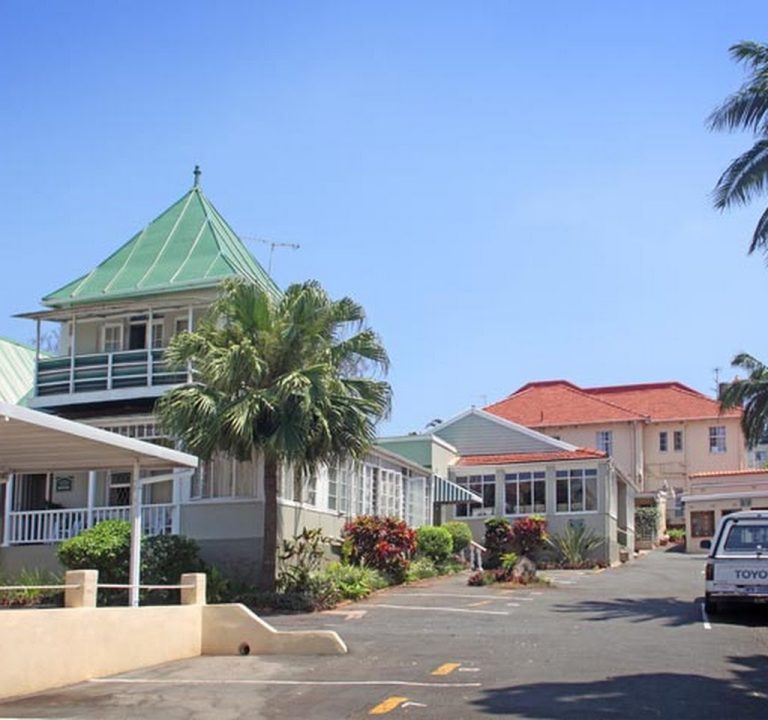
Durban’s unique blend of coast, culture, and cuisine makes it a rewarding destination for all kinds of travellers. Whether you opt for a cosy guesthouse such as Mabhida Guest House or another well-situated property, a well-planned stay will help you discover both the city’s tranquil seaside accents and its lively urban heart. For more information on places to stay, attractions, and itineraries, consider consulting official regional guides and reputable travel resources online.