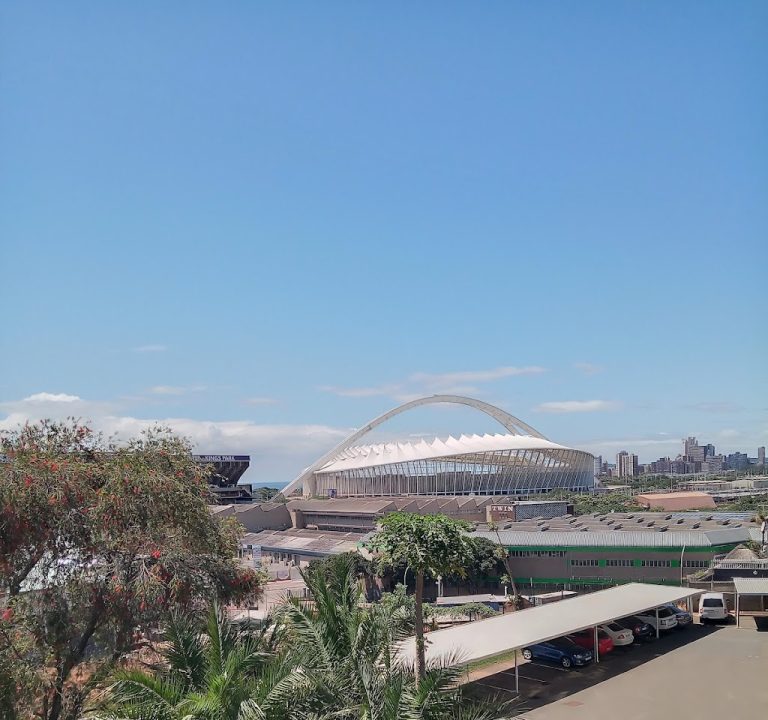
Durban: where to stay, what to do and how to plan your visit
Durban in KwaZulu-Natal offers a warm welcome, golden beaches and a laid‑back city vibe, making it a great destination for a varied stay. When choosing accommodation, consider which part of the city you want to base yourself in, as this will influence your access to beaches, sights and dining. The coastal strip is popular for sea views and easy beach access, while the inland areas tend to offer quieter streets, green spaces and straightforward access to the city’s cultural and shopping offerings. Durban’s climate is subtropical, so plan for warm humidity in summer and mild, pleasant winters—though sea breezes can be refreshing year‑round.
Popular areas to consider include:
- North Beach and the Golden Mile: walkable stretches by the sea, with a lively cafés and family‑friendly atmosphere.
- Berea and Morningside: leafy neighbourhoods with a range of guesthouses, boutique hotels and easy access to the city centre.
- Durban City Centre: a mix of historic architecture, markets and transport links for easy day trips.
- Umhlanga and La Lucia: coastal suburbs known for newer hotels, resort‑style stays and upscale dining and shopping options.
- Attachment to the inland suburbs: quieter stays that are convenient for accessing the city’s cultural venues and parks.
When booking, think about the core needs of your trip. Do you prioritise sea views, secure parking, a pool, or a kitchen for self‑catering? Most properties in Durban offer the following typical amenities: en‑suite bathrooms, air conditioning or ceiling fans, complimentary Wi‑Fi, tea and coffee making facilities, and access to on‑site parking. Some lodgings provide resort‑style facilities such as a pool, gym, or on‑site restaurant, while guesthouses and smaller boutique stays may emphasise a cosy, home‑from‑home atmosphere with personalised service. If you will be travelling with children, check for family‑friendly rooms, child‑safe features and nearby parks or beaches.
Transport in Durban is well served for a city break. If you arrive by air, you’ll likely land at King Shaka International, with a roughly 30–45 minute drive to central Durban depending on traffic. Within the city, Uber and other ride‑hailing apps are widely used, as are metered taxis. For independent explorers, some areas offer convenient access to bus routes or tram lines, and many accommodation providers will help arrange transfers or day trips. When planning day trips, think about travel time and peak traffic, particularly along the major coastal routes during weekends and holidays.
Best time to visit Durban depends on what you want from your stay. The city experiences warm summers with occasional tropical downpours, so if you prefer drier, more comfortable conditions, late autumn and winter can be quieter and more affordable. The coast benefits from sea breezes, which can make high‑temperature days easier to enjoy, especially if you plan to spend long hours on the beach or exploring outdoor areas. If you’re interested in cultural events or festivals, check local calendars in advance, as these can influence availability and pricing for accommodation.
Planning a balanced itinerary that combines rest with activity helps you make the most of your Durban stay. Start with a day or two on the popular beachfront to soak up the sun and explore the promenade, then allocate time for inland markets, museums and a glimpse of the city’s diverse culinary scene. Durban’s dining scene is notable for its mix of Indian, Zulu and Chinese influences, as well as fresh seafood and modern bistros. You’ll find casual eateries and fine‑dining options across the city, with many venues offering fresh, locally sourced ingredients and vibrant, family‑friendly atmospheres. When dining out, you’ll often be able to sample a variety of spicy flavours and comforting favourites that showcase regional flair.
For those seeking iconic experiences, consider how to balance outdoor time with cultural discovery. Durban’s coastline invites long beach walks, surfing and clean seawater swimming at designated spots, while inland you can explore markets, historic streets and parks. If you enjoy nature without straying far from the city, you’ll find nature reserves, birdlife and scenic viewpoints within a short drive. Museums and galleries offer insight into KwaZulu‑Natal’s history and contemporary art scenes, and day trips to nearby coastal or coastal‑inland towns can broaden your experience beyond the city limits.
Tips to help you book and enjoy your stay:
- Book in advance for popular periods, especially if you want a sea‑view room or a boutique property with limited rooms.
- Check bed configurations and whether there are self‑catering facilities if you prefer flexibility.
- Ask about parking, proximity to beaches, and easy access to public transport for easy exploration.
- Read recent guest reviews to gauge consistency in cleanliness and service, particularly for smaller lodgings.
- Plan a mix of rest days and activity days to avoid being overwhelmed by heat or crowds.
Durban offers a hospitable base for exploring KwaZulu‑Natal’s coastline and hinterland. Whether you choose a stylish guesthouse in a leafy suburb, a modern apartment near the beachfront, or a family‑friendly lodge a short drive from rivers and nature trails, you’ll find options that fit a range of budgets and preferences. For more information about accommodation and planning ideas, you can explore local tourism websites and the property’s official pages, which often include guest reviews, area guides and lifestyle tips to help you tailor your stay to the rhythm of Durban.