Durban, KwaZulu-Natal: A Practical Guide to Accommodation and Getting the Most from Your Stay
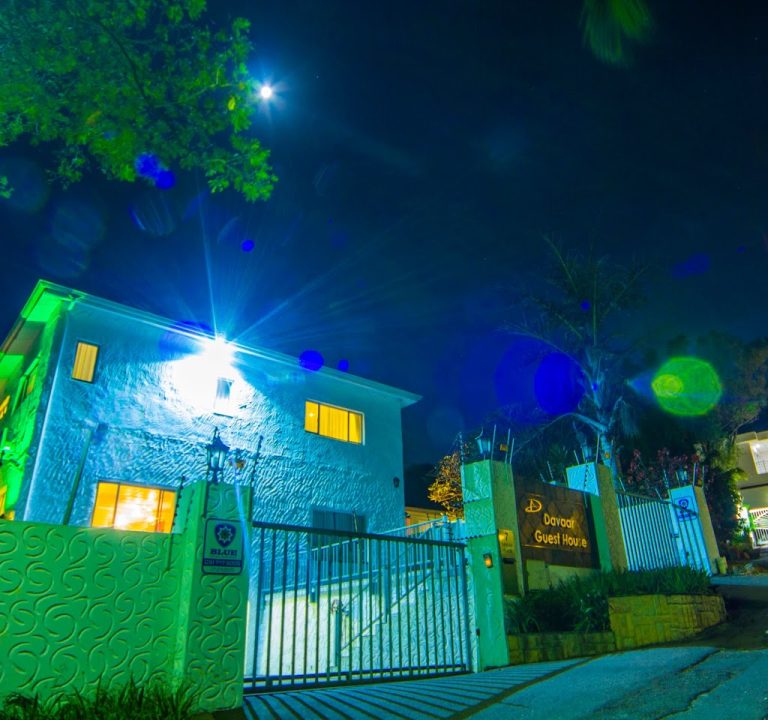
Durban offers a warm climate, palm-fringed beaches and a fusion of cultural influences that make it a popular destination for both short breaks and longer stays. When planning where to stay, consider the neighbourhoods that best suit your interests, whether you want beach-front convenience, easy access to the city’s historic and cultural sights, or a quieter residential atmosphere. Durban’s broad range of accommodation includes guest houses, B&Bs, mid-range hotels and self-catering apartments, so you can tailor your stay to your pace and budget. A guest house such as Bhekintaba Guest House can provide a friendly, homely base with breakfast options and local tips, while larger properties and boutique hotels offer greater facilities and on-site dining.
Where you stay matters for how you experience the city. The coastal stretch around the Golden Mile is ideal for energised days of sun, sea and strolls, while Berea-based options tend to be well-placed for access to shady streets, local cafés and a mix of independent shops. If you’re aiming for easy transfers to Durban’s business districts or to catch the city’s public transport, look for accommodation with proximity to major roads or near a bus rapid transit route. For families, self-catering flats or apartment-hotels can offer the convenience of a kitchen and space to relax after busy days out. Adventure seekers may prefer locations within short drives of natural reserves or coastal trails. Always check parking provisions, as some central properties have limited or paid parking while others offer off-street options or on-street permits.
Typical amenities you can expect when booking Durban accommodation include private or en-suite bathrooms, air‑conditioning or ceiling fans, reliable Wi‑Fi, and practical touches such as quiet rooms, laundry facilities or a shared kitchen. Breakfast options are common at guest houses and smaller hotels, while full-board or on-site dining is more typical at larger hotels. If you value flexibility, look for accommodations that offer late check-in, self check-in or local staff who can assist with late arrivals. Accessibility is also worth verifying, as some properties may have stairs or limited lift access in older buildings. For peace of mind, read recent guest reviews focusing on cleanliness, staff helpfulness and the accuracy of online descriptions before booking.
Transport options in Durban are varied. The city is served by a network of taxis and rideshares, and there are several public transport routes including buses and commuter rail. If you plan to explore beyond the immediate area, it’s sensible to choose a base with straightforward access to major roads, as well as easy trips to popular day destinations such as the inland hills or the northern suburban beaches. When budgeting, consider the cost of airport transfers or parking if you’re driving, as well as the convenience of nearby supermarkets and eateries. Durban’s traffic can be lively at peak times, so planning in advance and allowing extra time for travel between sights is wise.
Best time to visit Durban tends to be the local winter for lighter crowds in June to August, though the city enjoys a year-round subtropical climate. Summers can bring higher humidity and sporadic rain, but temperatures remain warm and sea temperatures are inviting for water-based activities. Winter months are typically milder, with cool mornings and pleasant afternoons. If you’re planning outdoor activities, shoulder seasons often offer a good balance between pleasant weather and fewer crowds. For food lovers, Durban’s dining scene is a highlight throughout the year, with a strong tradition of fresh seafood, curries and street-food-style snacks reflecting the city’s diverse cultures.
Practical planning tips for a smooth Durban stay:
- Check the exact location of your accommodation in relation to the places you want to visit, and consider the ease of transport or parking.
- When booking, confirm what’s included in breakfast or amenities such as air‑conditioning, Wi‑Fi, and laundry services.
- Look for flexible cancellation policies, especially if your plans could change with weather or events.
- Read recent guest reviews focused on cleanliness, staff responsiveness and the accuracy of online listings.
- Pack sun protection, light layers for cooler evenings, and a moderate rain jacket for occasional showers.
- Plan at least one day of slower exploration—Durban’s markets, crafts and gardens offer a relaxed counterpoint to beach days.
Durban’s attractions and dining scene are abundant, with coastal promenades and beaches close at hand and cultural institutions, markets and nature experiences offering depth beyond the shoreline. Families and solo travellers alike can enjoy a mix of relaxed beach days, scenic drives along the coast, and opportunities to learn about the city’s rich Zulu and Indian-influenced heritage through museums, exhibitions and guided experiences. When it comes to dining, the city’s restaurants and casual eateries reflect a fusion of flavours—from curries and spice-rich dishes to fresh seafood and modern South African cuisine. Whether you’re seeking a beachfront hotel with morning light on the waves, a guest house with a homely breakfast, or a boutique stay with thoughtful touches, Durban provides an accessible and welcoming base for exploring KwaZulu-Natal’s dynamic coast and inland landscapes. For more ideas and current listings, you can explore official tourism pages and hotel group sites that cover Durban’s diverse accommodation options.