Cape Town: a guide to accommodation and experiences in the Western Cape
Cape Town offers a diverse mix of places to stay, from intimate guest houses perched above coloured houses and sea views to stylish boutique hotels in leafy suburbs. When planning a visit, consider the character of neighbourhoods as well as practical concerns such as transport links, access to attractions, and proximity to beaches. The Western Cape’s climate means summers are warm and dry, with cooler, often windy conditions in winter; the best time for outdoor activities is generally spring to autumn, though each season has its own appeal.
Accommodation types commonly found in Cape Town include guest houses, B&Bs, boutique hotels, and self‑catering apartments. Guest houses and B&Bs tend to offer a personal touch, with hosts available to share local tips and sometimes include breakfast. Boutique hotels provide a more polished experience with stylish interiors and convenient amenities, while self‑catering flats and apartments can be ideal for families or longer stays. When selecting where to stay, think about the kind of atmosphere you want, the view, and the level of staff assistance you prefer.
Areas to consider for your stay:
- City Centre and the V&A Waterfront: convenient for dining, nightlife, and city sightseeing; good access to MyCiTi bus routes.
- Gardens/ Company’s Garden surroundings: leafy streets, romantic viewpoints, and easy walking access to museums and galleries.
- Green Point and De Waterkant: close to the waterfront, parks, and seaside promenades; popular with travellers seeking a lively scene.
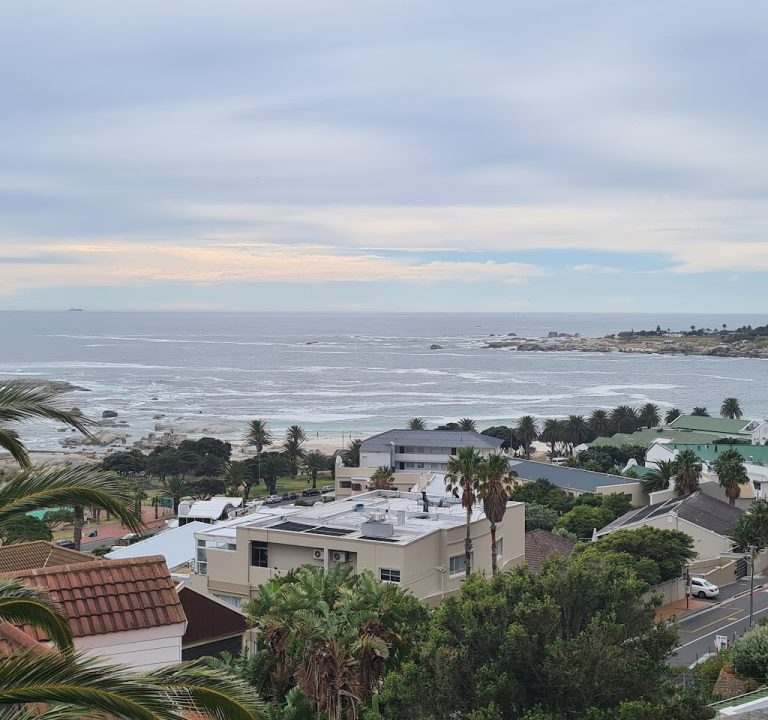
- Camps Bay and Clifton: renowned for beaches and dramatic Atlantic sunsets, with a more relaxed, upscale vibe.
- Cape Town’s southern suburbs (Constantia, Kirstenbosch area): ideal for wine routes, gardens and a quieter, residential feel.
What to look for when booking a stay:
- Seaside vs city access: beach-front rooms offer morning light and sea breezes but may be busier during peak season; central locations are convenient for exploring on foot or by public transport.
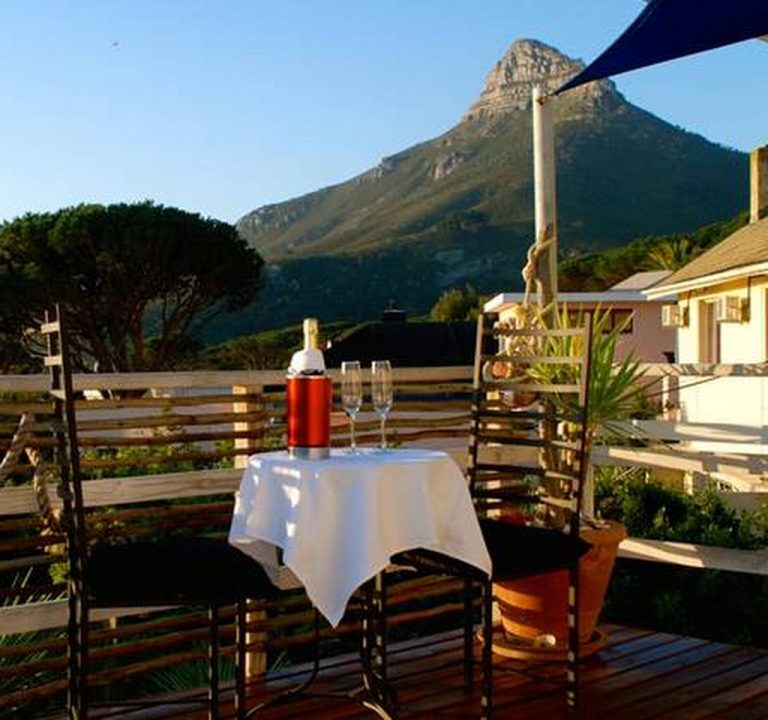
- Views and light: properties with expanse views of Table Mountain or the Atlantic coast can significantly enhance a stay.
- Parking and transportation: if you’re renting a car, secure on-site parking is a practical perk; otherwise verify proximity to reliable public transport or ride-hailing options.
- Breakfast and dining options: some accommodation includes breakfast; for others, you’ll want to explore nearby cafés and restaurants.
- Safety and access: read reviews about neighbourhood safety and property access, especially if you’ll be returning after dark.
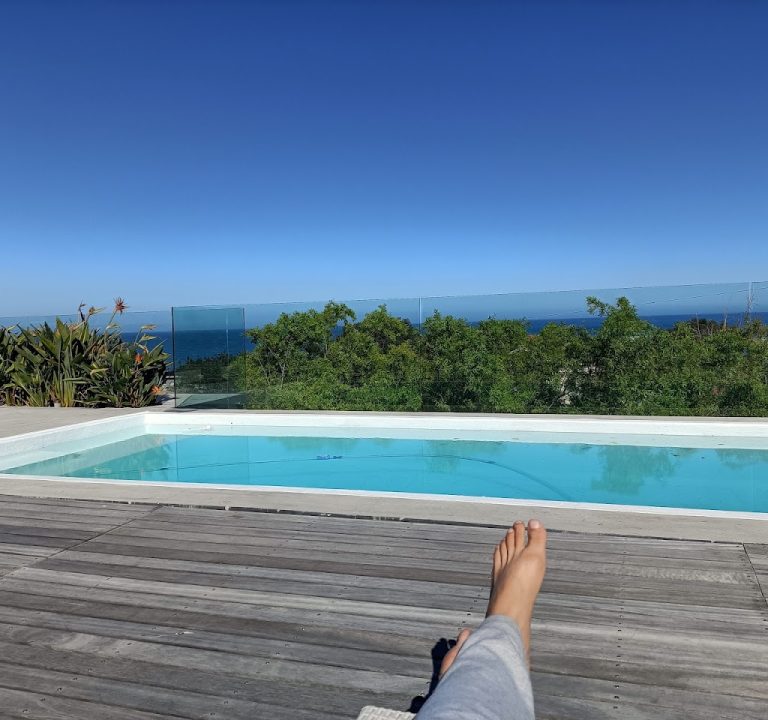
Typical amenities you might expect or consider include free Wi‑Fi, air conditioning or heating, en-suite bathrooms, tea and coffee facilities, a communal lounge or garden, and for some properties, pool or outdoor areas. In Cape Town, many guest houses and boutique hotels offer personalised service, suggesting local dining recommendations,-day trips, and guided experiences such as wine-tasting tours or scenic drives to beauty spots like the Cape Peninsula or Constantia Valley.
Transport tips: Cape Town’s MyCiTi bus network covers many tourist-friendly routes, including airport connections and routes to the city centre and the Atlantic Seaboard. For more flexible exploration, a car provides freedom to travel to beaches, wine estates, and rural areas such as Constantia or the nearby Cape Winelands. If you prefer not to drive, look for accommodation near key hubs with easy access to reliable public transport and safe, well-lit areas for evening strolls.
Best time to visit: December to February offers long days, beach life, and outdoor festivals, but it can also be busy and more expensive. March to May (autumn) and September to November (spring) bring milder temperatures and quieter scenes, making it ideal for sightseeing and hikes. Winter (June to August) is cooler and sometimes rainy, but many museum and culinary experiences are less crowded, while the scenery—particularly the mountains dusted with cloud—remains spectacular.
When planning excursions, balance iconic sights with less obvious experiences. You might start with a cable car or hike up Table Mountain for panoramic views, then combine a waterfront stroll with a visit to markets or galleries. A day trip to the Cape Point Reserve offers dramatic coastal scenery, while a drive through the Constantia Valley or nearby wine routes provides tastings and relaxed lunches. Kirstenbosch National Botanical Garden is a standout for nature lovers, with open spaces and seasonal blooms.
Dining and food experiences in Cape Town span a broad spectrum, from casual cafés along the Atlantic coast to refined restaurants in stylish neighbourhoods. You’ll find markets, seafood shacks, and eateries offering contemporary South African flavours alongside international cuisine. As you plan, check current reviews or the property’s recommendations for nearby dining hotspots and must-try dishes.
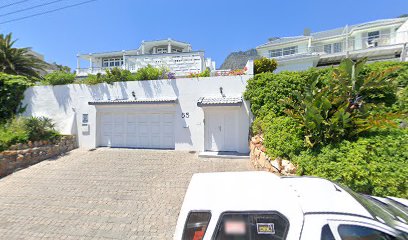
For an example of accommodation that showcases South Africa’s hospitality, consider 51 On Camps Bay, a guest house situated near the Camps Bay coastline. The property offers stylish rooms and a tranquil setting with sea views, making it a convenient base for beach days and scenic strolls along the coast. More information can be found on their website: 51 On Camps Bay.
Practical tip: book in advance for high season and be flexible with dates to secure the best options. Pack layers for variable coastal weather, a good pair of walking shoes for hills and promenades, and a universal adaptor for electronics. With careful planning, you can tailor a Cape Town stay to your interests—whether you crave scenery, culture, or a relaxed beach-focused break—while enjoying comfortable accommodation and easy access to a wealth of experiences.