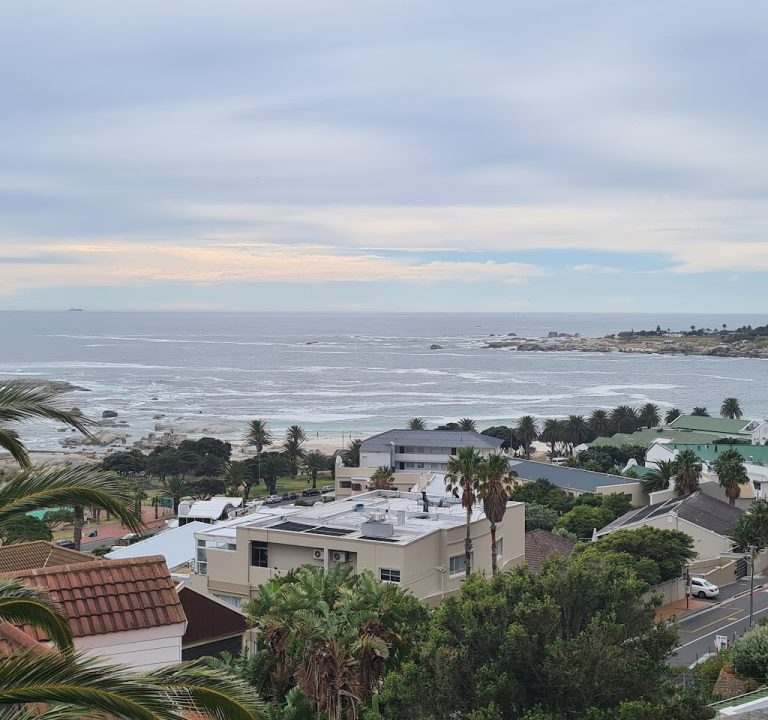
Accommodation and Attractions in The Rocks, Cape Town
The Rocks, a historic harbour neighbourhood in Cape Town, offers a mix of hotel-style stays, boutique guesthouses, and stylish apartments that suit a range of travellers. When planning a visit, consider the layout of the city to balance easy access to the waterfront, the slopes of Table Mountain, and the vibrant dining and cultural scene. A well-chosen base can reduce transit time and help you make the most of each day in the Western Cape’s capital.
Areas to consider for a stay include the City Centre and the V&A Waterfront precinct for walkability and quick access to ferries, museums, and sunset promenades. The Atlantic Seaboard—encompassing suburbs such as Camps Bay and Clifton—offers coastal scenery, beach clubs, and easier availability of larger suites or villas. For a quieter stay while remaining close to sights, neighbourhoods around the Gardens and Bo-Kaap provide leafy streets, heritage architecture, and a convenient hub for day trips. In The Rocks itself, options tend to emphasise characterful buildings, maritime views, and proximity to harbour walks and markets.
Typical amenities to look for when booking include reliable air conditioning or ceiling fans for the hot summer months, efficient heating for cooler evenings, and practical kitchens or kitchenette facilities if you plan to self-cater. Wifi quality is important for business travellers or those who want to stay connected during a coastal break. Many properties offer secure parking, housekeeping schedules, and access to communal spaces such as rooftop terraces, lounges, or small fitness rooms. If you value personalised service, boutique guesthouses and smaller hotels often provide locally informed recommendations, restaurant reservations, and curated experiences that larger chains may not. When travelling with family, look for family rooms, interconnecting suites, or apartments with separate living areas.
Transport within Cape Town is straightforward but varied in convenience. The MyCiTi bus network can connect you to major sights and coastal suburbs, while Uber and other rideshares offer flexible door-to-door options. If you plan day trips to places such as Cape Point, the Cape Winelands, or Kirstenbosch National Botanical Garden, evaluate whether your accommodation includes parking or easy access to tour operators. A walkable city centre base is ideal for those who want to explore on foot or by ride-hailing, while a rental car can be useful for weekend explorations along the coast or into wine country. Safe, well-lit pedestrian routes and secure parking are helpful considerations for travellers returning after sunset.
The best time to visit Cape Town depends on weather, crowds, and planned activities. The peak season runs during the Southern Hemisphere summer, roughly November to February, when coastal days are long and outdoor spaces feel lively. Shoulder seasons—spring and autumn—offer pleasant temperatures, fewer crowds, and good value for accommodation. Winter brings cooler, windy days and occasional rain, but the city’s indoor attractions, markets, and dining scenes remain vibrant. When planning, note that sea breezes can be genuine in the late afternoons, so packing a light layer is wise, regardless of the season.
What to do and see largely follows geography. In The Rocks and the harbour area, you’ll find scenic waterfront promenades suitable for easy strolls at sunrise or sunset, with opportunities to observe harbour activities from a comfortable vantage point. Look for general cultural and outdoor experiences such as guided tours that cover the city’s history, architecture, and local markets. Beyond the harbour, iconic sights include a cable-car ascent to a panoramic viewpoint above the city, a visit to botanical gardens within easy reach of central stays, and coastal drives that reveal dramatic sea cliffs and sheltered coves. Dining options run from casual cafés serving light breakfasts and seafood dishes to refined restaurants focusing on contemporary cuisine and sustainable ingredients. Many hotels and guesthouses can arrange thoughtfully curated itineraries that balance nature, history, and cuisine.
Practical tips to help you plan your stay:
- Book with flexibility when possible to adapt to weather, transport disruptions, or new restaurant discoveries.
- Check access to public transport, parking, and security features at the property, especially if you plan daily early starts or late returns.
- Consider a light itinerary that includes mornings in the city, afternoons by the coast, and evenings enjoying eateries and markets within walking distance of your lodging.
- Forecasts can change quickly by the coast; pack versatile clothing and a compact rain layer for sudden showers.
- In peak season, aim to secure accommodation as early as possible and request guidance on best times to visit popular viewpoints to avoid crowds.
For planning resources and more inspiration, reputable tourism websites offer broad overviews of sights, routes, and seasonal tips. When you book, you’ll often find accommodation options described in terms of location, size, and amenities, with clear information on access to attractions and transport links. A stay in The Rocks region of Cape Town can be a gateway to both harbour life and the city’s broader natural and cultural offerings, making it a practical choice for travellers who want a balanced, immersive experience in the Western Cape.