Where to stay and what to do in Cape Town: a practical guide for visitors
Cape Town sits on a dramatic crescent of coastline framed by the Table Mountain massif. For travellers seeking a blend of natural beauty, cultural energy and easy access to amenities, the city offers a wide range of accommodation from intimate guest houses to stylish hotels and coastal apartment convertibles. When planning a stay, consider the neighbourhoods that suit your rhythm, the pace of your days and the experiences you’re hoping to savour.
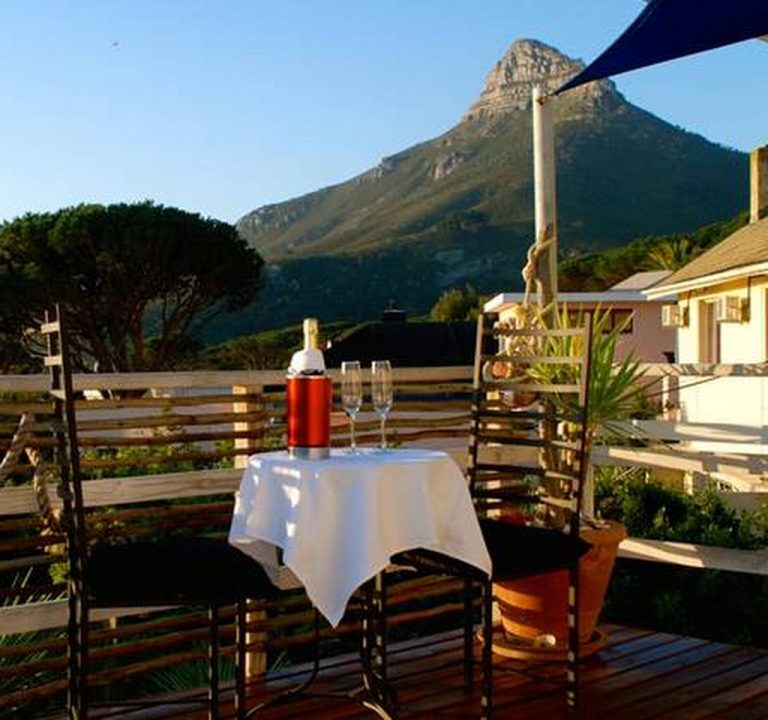
For a quintessential Cape Town guest house experience, a property such as Villa Surprise Guest House embodies the intimate, personalised approach that many visitors value. In addition to a comfortable room and private bathrooms, these stays often offer generous breakfast arrangements, friendly local tips and a chance to feel part of a neighbourhood. See the property’s website for details on rooms and facilities, and to check availability during your travel window: Villa Surprise Guest House.
Neighbourhoods to consider include the City Bowl for proximity to central attractions, the Atlantic Seaboard for ocean views and easier access to beaches, and Constantia for a quieter, leafy escape with wine-tasting within reach. If you’re after dramatic coastline and modern dining, the Atlantic Seaboard offers iconic scenery and many properties with sea-facing terraces. If you prefer a more historic atmosphere with easy access to markets and museums, the City Bowl and nearby Bo-Kaap can be very rewarding. For family-friendly plains and verdant hills, Constantia and fostered wine estates offer a different pace and day trips that still feel intimate to the region.
What to look for when booking, and how to plan your stay:
- <strong.Location and access: Check walking times to key sights and whether stable transport is easily available. Consider staying near MyCiTi bus routes or close to a major hub where rideshare options are plentiful.
- Amenities and room types: Look for reliable wifi, secure parking if you’re driving, blackout curtains for late mornings, and en-suite bathrooms. A guest house may provide breakfast, while hotels often offer full-service dining and a gym or pool.
- Safety and security: Confirm secure entry, on-site staff, and clear guidance on local safety considerations. Many areas are perfectly safe for tourists but it helps to know what to avoid after dark.
- Facilities and ambience: Decide whether you want a boutique feel with personalised service, a family-friendly layout, or a contemporary hotel vibe with a larger common area and concierge services.
- Transport options: If you plan day trips to the Cape Peninsula, Stellenbosch or the Cape Winelands, consider a guest house with easy access to car hire or a host who can arrange transfers.
Typical amenities you can expect in Cape Town accommodation include: private or en-suite bathrooms, daily housekeeping or turn-down service, secure parking, complimentary breakfast or access to a communal kitchen, tea and coffee facilities, air conditioning or heating, and, in some properties, indoor or outdoor pools, terraces, or gardens. Some guest houses offer shared lounges, bookable experiences with local hosts, and curated welcome baskets that showcase local produce or crafts. When reading listings, note cancellation policies in case of weather disruptions or shifts in travel plans.
Transport within Cape Town is well supported by reliable road networks and public options. In the city centre and popular coastal districts, ridesharing apps are common, making it easy to access attractions, restaurants, and nightlife without driving. If you hire a car, plan parking arrangements in advance, as street parking can be limited in busy areas. A good plan is to balance days that involve scenic drives along the Atlantic coast with days spent exploring on foot or via efficient public transport, such as the MyCiTi network in central areas.
The best time to visit Cape Town depends on your priorities. The city enjoys a temperate coastal climate with warm summers and mild winters. Peak tourist season typically runs from late spring through autumn (October to March), when sea temperatures are comfortable and events and outdoor dining are vibrant. If you prefer quieter streets and lower accommodation rates, consider shoulder seasons such as early spring or late autumn. Spring brings wildflowers on the mountainsides and generally pleasant weather for hiking and nature walks, while autumn offers mellow light for photography and tastings at nearby wine estates.
When planning activities, balance iconic sights with relaxed moments in cafes, markets and harbour views. Public attractions span mountain cable-car experiences, scenic viewpoints along the Atlantic coast, penguin colonies at specialised reserves, verdant nature reserves and cultural precincts with galleries and museums. For food, Cape Town’s dining scene ranges from casual bistros serving local seafood and bold flavours to refined establishments emphasising seasonal produce. In most areas you’ll find options for waterfront dining, roaster cafés, and diverse international cuisines, often with spectacular views to accompany meals. Always check current operating hours and any seasonal closures as part of your itinerary.
Sample day plans could include a morning stroll up Table Mountain or a coastal trail, followed by a late breakfast or lunch near the sea, an afternoon visit to markets or museums, and a sunset drink at a terrace with panoramic harbour or mountain backdrops. For day trips, popular options include a scenic drive along Chapman’s Peak, wine-tasting tours in Constantia or nearby Stellenbosch, and visits to nearby townships or botanical gardens for a deeper sense of Cape Town’s landscape and culture. A well-rounded stay recognises the balance between scenic downtime, cultural exploration and practical planning, with flexible bookings that allow for weather and mood shifts while still delivering memorable experiences.