Planning a Stay in Cape Town: Where to Stay, What to Expect, and Must-Do Experiences
Cape Town combines dramatic scenery with a vibrant mix of neighbourhoods, from the mountain-facing suburbs to coastal villages and urban hubs. When planning a stay, consider what kind of atmosphere you want, how you’ll get around, and what you’d like to do each day. A well-chosen base can save time, reduce transport headaches, and enrich your overall experience of the Western Cape.
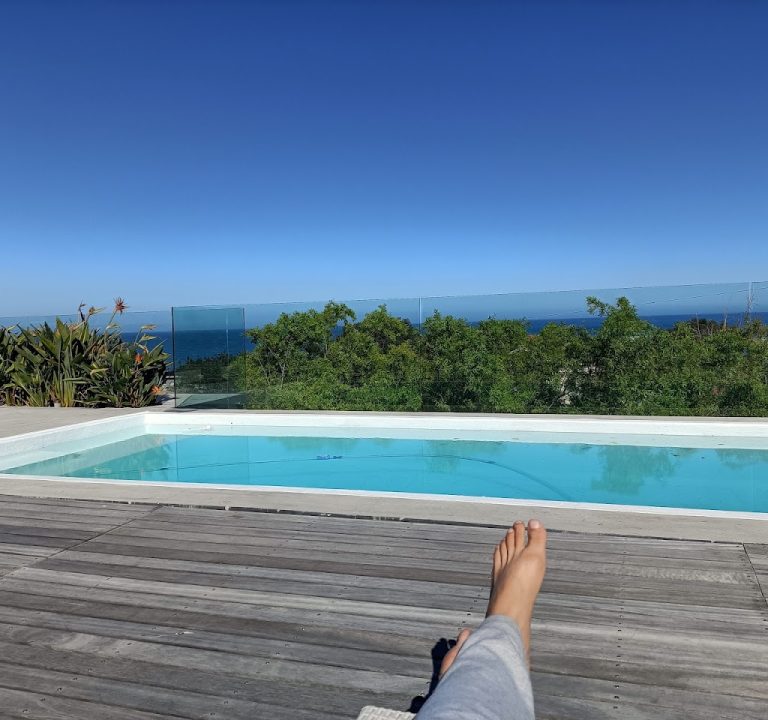
Accommodation options vary from intimate bed & breakfasts and guesthouses to self-catering apartments, boutique hotels, and larger hotels within secure complexes. In central areas such as the city bowl and the Waterfront, you’ll find convenient access to transport links, dining, and nightlife, while neighbourhoods a little further afield offer a more residential feel and easier access to beaches or hiking routes. For a laid-back coastal vibe, look to the Atlantic Seaboard and Atlantic beaches, or for mountain scenery and proximity to natural beauty, the southern suburbs and Constantia offer a leafy contrast. When selecting a property, think about daily routines: will you want a kitchen for casual meals, a lounge to relax after day trips, or a terrace with views?
Typical amenities in well-rated Cape Town stays include en-suite bathrooms, reliable Wi-Fi, a breakfast offering, and secure parking or easy access to public transport. A bed & breakfast or guesthouse may emphasise personalised service, with hosts who can share local tips and curate day trips. Boutique hotels often blend thoughtful design with small-scale, attentive service. If you’re visiting with family or a group, self-catering options or larger suites can provide flexibility and value. Availability of off-street parking, easy lift access, and 24-hour reception can be important for late arrivals or security-conscious travellers. For those traveling with luggage after checkout, request storage arrangements in advance where possible.
Planning transport in Cape Town is part of the experience. The city is served by a network of MyCiti buses in certain areas and a number of hire car options. In areas close to the city centre, you’ll often be within short rides of major attractions, but some sites may require a bit more planning, especially if you’re aiming to visit multiple areas in a day. An excellent alternative for day trips is to coordinate with your host or accommodation desk for trusted local operators or pre-booked tours. If you prefer not to drive, consider guesthouses or hotels near key transport hubs to simplify the movement between V&A Waterfront, the city centre, and the southern suburbs.
The best time to visit Cape Town is during the Southern Hemisphere’s autumn (March to May) and spring (September to November), when the weather is mild, the city is less crowded than peak summer, and coastal winds are generally manageable. Summer (December to February) can be lively and festive, but peak tourist season means higher prices and busier attractions. Winter (June to August) brings cooler weather and more rainfall, which can be ideal for those who enjoy cooler Atlantic air and indoor cultural activities. Always check local forecast and seasonal patterns, particularly if you plan outdoor activities like hiking or coastal strolls.
When it comes to planning activities, balance nature, culture, and cuisine. Iconic natural highlights include Table Mountain and nearby reserves where guided walks or cable car rides offer sweeping city views. Robben Island, history museums, and district heritage experiences provide cultural depth. Coastal activities range from safe beaches suitable for families to dramatic viewpoints and sea cliffs. Shoreline dining experiences along the Atlantic Seaboard often highlight fresh seafood and contemporary South African cuisine, with many restaurants focusing on seasonal produce and seasonal menus. In the evenings, a stroll through the historic city centre or a waterfront precinct offers a mix of casual and fine dining, live music, and a cosmopolitan vibe suitable for all tastes.
Practical tips to help you get the most from your stay:
- Book accommodation with clear information about parking, security, and accessibility. A light breakfast option or a communal kitchen can save time and money.
- Read guest reviews with attention to cleanliness, the responsiveness of hosts, and the accuracy of property descriptions.
- Ask hosts or reception for recommended routes, taxi services, and safe walk routes at night, especially if you are unfamiliar with certain areas.
- Plan your day to group attractions by geography to minimise travel time. For example, combine a Table Mountain visit with a nearby lunch option and a stroll through a coastline precinct in one day.
- Pack versatile clothing, a lightweight waterproof layer, and comfortable walking shoes for hillier routes and beach strolls.
- Respect local etiquette and safety guidance. Cape Town is welcoming to visitors when common-sense precautions are followed, particularly in busy urban areas after dark.
In summary, Cape Town offers a rich tapestry of stays that suit a range of budgets and preferences. Whether you prioritise stylish design, a personal host, or a self-catering setup, you can tailor your stay to your itinerary. With its stunning setting, varied dining, and a calendar of cultural and outdoor activities, a well-planned visit can be both relaxing and exhilarating. For a balanced blend of comfort, convenience, and local flavour, select accommodation that anchors your days around easy access to transit, vantage points, and well-regarded eateries, and you’ll have a memorable Cape Town stay.