Exploring Cape Town: Where to stay and how to plan your visit
Cape Town, perched between the Atlantic Ocean and the iconic Table Mountain, offers a wide range of stays to suit every traveller. From stylish self-catering apartments to family-friendly guesthouses and boutique hotels, the city’s hospitality scene is as diverse as its scenery. Planning a stay in Cape Town means balancing location, budget and the kind of experience you want — whether you’re after a bustling urban heartbeat, or a quieter coastal retreat.
Areas to consider
- The City Bowl and central Cape Town are great for first-time visitors who want to be within easy reach of museums, markets and dining. This area is walkable to many attractions, with good access to MyCiTi buses and Uber options for longer journeys.
- The Atlantic Seaboard, including districts such as Sea Point and Camps Bay, is ideal for ocean views, beach access and sunset routes along the Promenade. It can be pricier, but you’ll find stylish self-catering apartments and hotels with excellent breakfasts and pools.
- Green Point and Gardens sit between the city centre and the Atlantic coast, offering a convenient hub for exploring the V&A Waterfront, the Cape Town Stadium, and nearby parks. They’re particularly appealing for travellers who want proximity to sights without staying right in the busiest streets.
- Constantia and the southern suburbs provide a calmer, more residential ambience. This corridor is perfect for wine lovers and those seeking green spaces, with easy day trips to Constantia’s renowned wine estates and scenic drives up through the constant hills.
What to look for when booking
Consider the following when you compare options:
- Location relative to your must-see sites and to public transport. Check whether the property offers easy access to rail or bus routes, or if a short taxi ride is required.
- Self-catering or on-site services. A self-catering apartment can offer flexibility for families or longer stays, while a B&B or hotel may provide daily housekeeping and restaurant availability.
- Amenity highlights. Look for reliable Wi‑Fi, a well-equipped kitchenette, laundry facilities, a reliable air conditioner or heating system, and secure parking if you’re driving.
- Safety and privacy. Check for secure entrances, well-lit streets, and reviews that mention quiet bedrooms and professional hosts or staff.
- Access to outdoor spaces. A balcony, terrace or garden can be a significant plus, given Cape Town’s outdoor-and-outdoors-friendly appeal.
Typical accommodation options
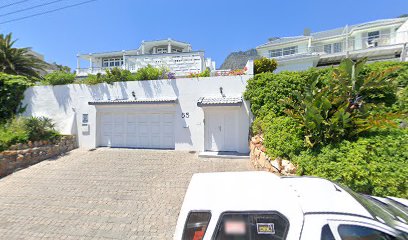
Self-catering stays, such as apartments or houses, are popular with families and longer visits. In addition to private kitchens, these properties often provide a living area, comfortable bedrooms and sometimes a small outdoor space. A noteworthy example in the wider area is Bingley Place, a self-catering option that can offer a home-from-home feel with flexible schedules for guests. See the listing details for information on the specific amenities, flooring, and any guest access rules. For travellers seeking a more managed stay, boutique hotels and guesthouses offer curated experiences, often including breakfast, daily housekeeping, and concierge services.
Transport tips
Public transport in Cape Town is improving and can be a practical choice for many visitors. The MyCiTi bus network covers key routes between the city centre, the Atlantic seaboard and southern suburbs. Taxis and ride-hailing services are widely available, with traffic varying by time of day and season. If you plan to explore beyond the central city, renting a car gives you the most freedom to visit wine regions, nature reserves, and the peninsular coast at your own pace. Remember to factor parking details into your plans, as on-street parking can be limited in busy districts.
Best time to visit
Cape Town’s climate is Mediterranean, with mild, wet winters and warm, dry summers. The summer peak runs from December to February, when beaches are popular and outdoor events fill the calendar. Shoulder seasons in spring and autumn (roughly September to November and March to May) offer pleasant weather and fewer crowds, often with better value for accommodation. If you’re aiming for whale watching, plan visits to the coast during winter months when sightings are more common along the coastline.
Experiences to consider during your stay
A visit to Cape Town naturally revolves around Table Mountain, the V&A Waterfront, and the Cape peninsula’s dramatic scenery. Outdoor enthusiasts may enjoy hiking the mountains or coastal trails, while food lovers can explore markets, casual eateries, and up-and-coming neighbourhoods known for modern South African cuisine. While this article does not name specific venues, many areas feature a mix of casual cafés, fine-dining restaurants, and market stalls where you can taste local produce and crafts. For those staying in self-catering accommodation like Bingley Place, a morning at a nearby market, followed by a day trip to a wine estate or coastal harbour, makes for a balanced itinerary.
Practical planning tips
- Book in advance for peak seasons, and check cancellation policies in detail. Flexible options can be helpful if your plans may change.
- Evaluate the distance to activities and whether you’ll rely on local transport or car hire. For some trips, a guided day tour may provide convenience and insight.
- Pack appropriate layers. Weather can change quickly, especially near the coast or atop the mountains.
- Safety and etiquette. Keep valuables secure, and be mindful of local customs in different neighbourhoods.
- Accessible options. If accessibility is a priority, filter searches for properties with step-free entry, wide doorways, and accessible bathrooms where available.
For more information on self-catering options and how to tailor your stay, you may wish to view listings and host details via provider pages, such as the one for Bingley Place at http://www.micasa-pm.com/. A well-chosen base in Cape Town can transform a sightseeing trip into a comfortable, immersive South African experience.