Johannesburg: Accommodation ideas, planning tips, and must-see experiences in Gauteng
Johannesburg, often simply called Jo’burg or Jozi, is a dynamic gateway to South Africa’s Gauteng region. When planning a stay, think about not just where you sleep, but how you want to move, what neighbourhoods suit your style, and the mix of culture, history and contemporary life you want to explore. A well-chosen base can simplify day trips to nearby attractions and keep you close to lively dining and markets after sunset.
Areas to consider for accommodation and atmosphere
Johannesburg offers a range of neighbourhoods, each with a distinct vibe. For a cosmopolitan feel with easy access to business and nightlife, central areas around Braamfontein and the city centre often host stylish guesthouses, boutique hotels and guest lodges. Sandton provides a more polished, shopping‑and‑finance oriented stay with modern hotels and secure precincts. Maboneng and nearby eastern precincts offer creative energy, street art character and restaurants in compact, walkable districts. Rosebank and Melville blend convenient transport links with eclectic eateries and markets. For a calmer, residential ambience while staying close to nature and family activities, suburbs with leafy streets and easy car access to parks and reserves can be a good match.
What to look for when booking
- Security and access: look for properties with secure entry, well-lit parking, and reliable on‑site staff, especially if you plan to use taxis or rideshares after dark.
- Quiet rooms and sound insulation: some city stays can be lively; check room descriptions for soundproofing if you’re a light sleeper.
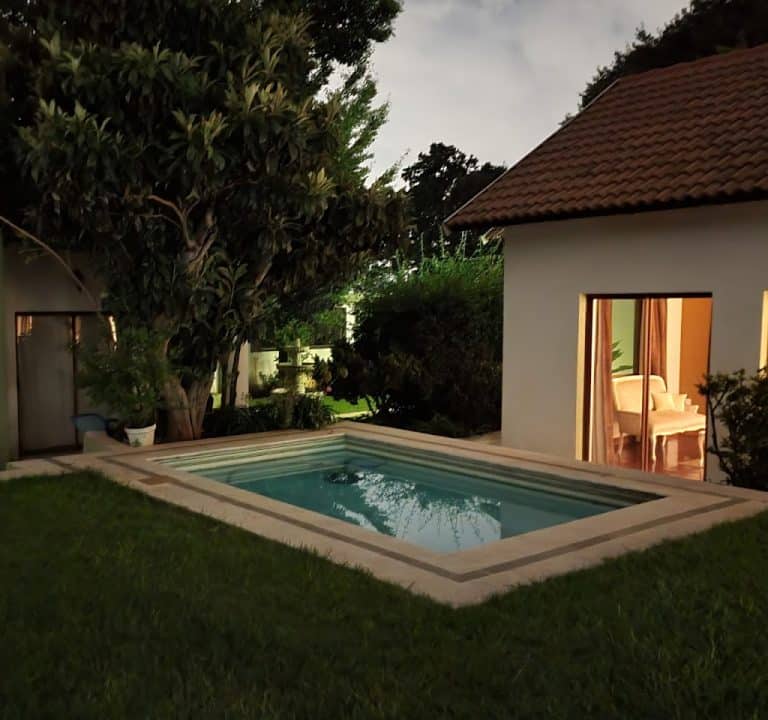
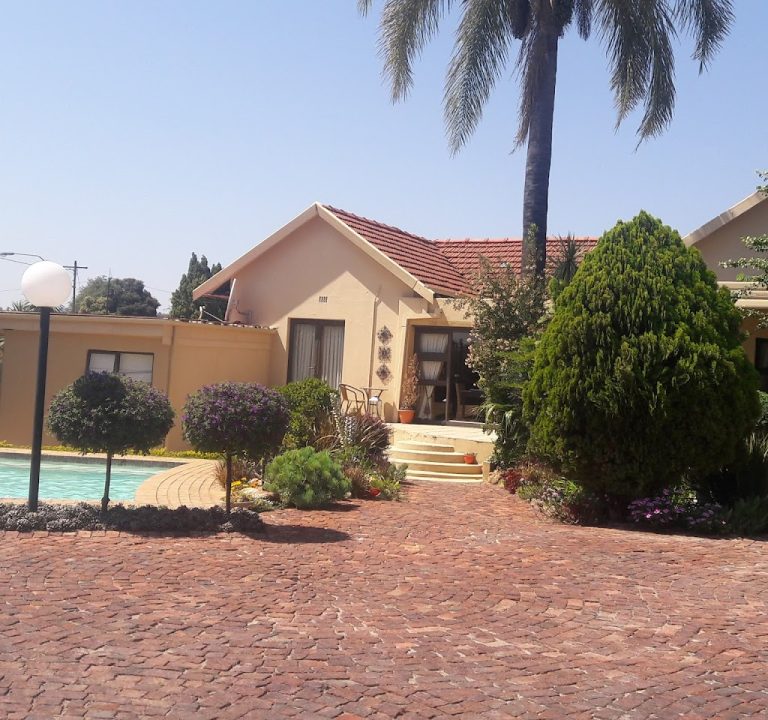
- Amenities: Wi‑Fi that works well for work or streaming, breakfast options, a pool or outdoor space, and convenient on‑site dining can make a big difference to comfort.
- Access to transport: proximity to major routes, a Gautrain station, or reliable ride‑hailing pickup points will save time, particularly if you’re exploring beyond the city core.
- Cancellation policy: flexible options are valuable if your plans may change, especially in peak travel periods.
Typical amenities in Jo'burg stays
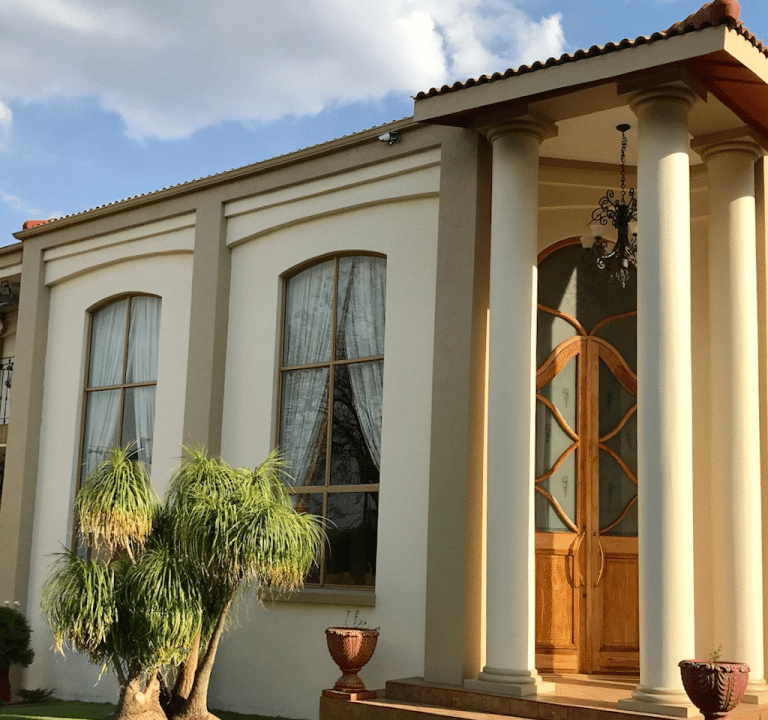
Many guest houses and boutique hotels in Johannesburg offer thoughtfully appointed rooms with en‑suite facilities, daily housekeeping, and characterful décor. Common extras may include free breakfast, secure parking, 24‑hour reception, and curated local recommendations. Some properties feature communal lounges, gardens or terraces, and easy access to cultural districts. If you’re staying for a longer period, look for self‑catering options or rooms with sensible workspaces and reliable Wi‑Fi.
Transport and getting around
Johannesburg is a city of wide roads and varied neighbourhoods, so a little planning helps. If you’re staying near Sandton or Rosebank, you’ll find frequent rideshares and good road links to other parts of the city. The Gautrain network offers fast connections to Pretoria and OR Tambo International Airport, with convenient stops in several central hubs. If you prefer a slower pace, many guest houses arrange transfers or can recommend trusted local drivers. For those who enjoy self‑guided exploration, renting a car can provide flexibility for day trips to nearby natural areas or markets outside the city centre.
Best time to visit
Johannesburg experiences mild winters and warm summers. Spring and autumn are popular for comfortable daytime temperatures and lower rainfall, making outdoor markets and street life particularly pleasant. Summer brings occasional storms but often rewards visitors with vibrant city energy and lush parks. If you plan to visit museums, galleries and indoor venues, any season can work, but packing a light layer for cool evenings is wise year‑round.
Practical tips for a smoother stay
- Safety: stay in well-regarded areas, use reputable transport options after dark, and be mindful of pockets of higher risk in any major city.
- Money and cards: carry a small amount of local currency for markets and tips, and use card payments where possible in larger establishments.
- Language and etiquette: English is widely spoken; a friendly, patient approach goes a long way when engaging with locals and staff.
- Dining and tipping: many places expect modest tipping for service; check the bill and appreciate whether service charge is included.
- Plan flexible itineraries: mix cultural sites with casual neighbourhood strolls and occasional meals at local eateries to experience Johannesburg’s diverse vibe.
- Packing essentials: comfortable shoes for walking, sun protection, a light rain jacket, and a portable charger for days spent exploring.
Attractions and experiences in general terms
Johannesburg offers a rich tapestry of experiences beyond the sleeping arrangements. History and culture can be explored in museums and heritage sites that illuminate South Africa’s complex past and vibrant present. Markets and craft hubs provide a sense of local life, from handmade goods to street food inspired by diverse communities. In and around the city, nature reserves and parklands invite daytime strolls, birdwatching and scenic viewpoints. Dining ranges from modern bistros and small eateries to broader venues that showcase South African flavours and innovations. For a balanced itinerary, consider a mix of indoor cultural stops and outdoor explorations, with a focus on neighbourhoods that align with your stay’s pace and interests.
Where to research and plan ahead
Consult official tourism sites for Gauteng and Johannesburg for current events, safety guidance and practical tips. Look for guest houses or boutique hotels that emphasise personalised service, local knowledge, and easy access to your intended activities. If you’re exploring beyond the city, check transport options and driving times to ensure you can comfortably make day trips without rushing.
With thoughtful planning, a stay in Johannesburg can be as relaxed or as lively as you wish. Choosing the right area, understanding transport options, and balancing cultural sights with downtime will help you craft a memorable visit to Gauteng that fits your interests and pace.
For further information and inspiration, you can visit official tourism pages and browse property websites to compare neighbourhoods, amenities and local recommendations before you book your stay at 5 on Bell or another guest house in the area.