Johannesburg Stay: Accommodation, Attractions and Practical Planning
Johannesburg, or Jo’burg, is a dynamic gateway to Gauteng that blends urban energy with compelling culture. When choosing a place to stay, many travellers favour guest houses, boutique B&Bs and mid-range hotels that offer friendly service, secure parking and easy access to the city’s diverse neighbourhoods. A well-sited stay can turn a quick visit into a memorable few days, with more time to explore on foot, by ride-hailing app, or by a short metro ride.
Areas to consider for your base include the central business district for energy and history, the leafy northern suburbs for calmer evenings and a touch of suburban privacy, and the trendy neighbourhoods around markets, eateries and galleries for a craft-and-culture vibe. If you value a quieter stay with easy access to museums and parks, consider suburbs that blend residential calm with handy transport links. For a first-time visitor, a guest house with secure parking and a friendly front desk is often a practical choice, especially if you plan to rent a car or rely on rideshares to reach spread-out attractions.
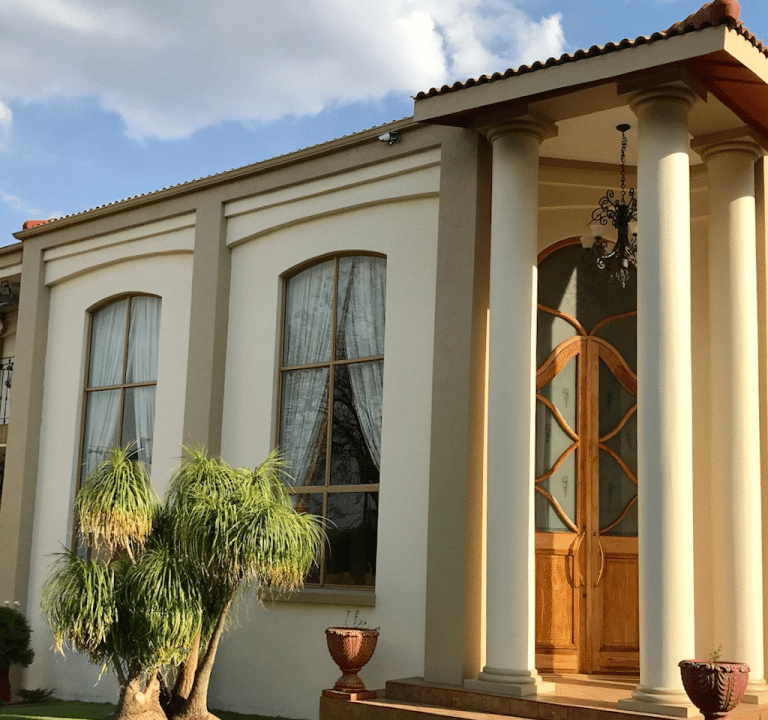
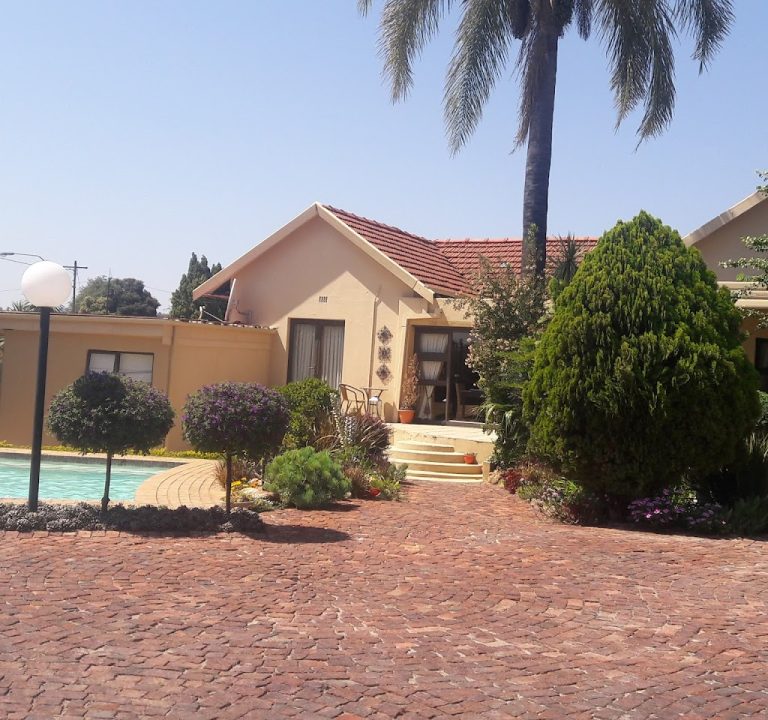
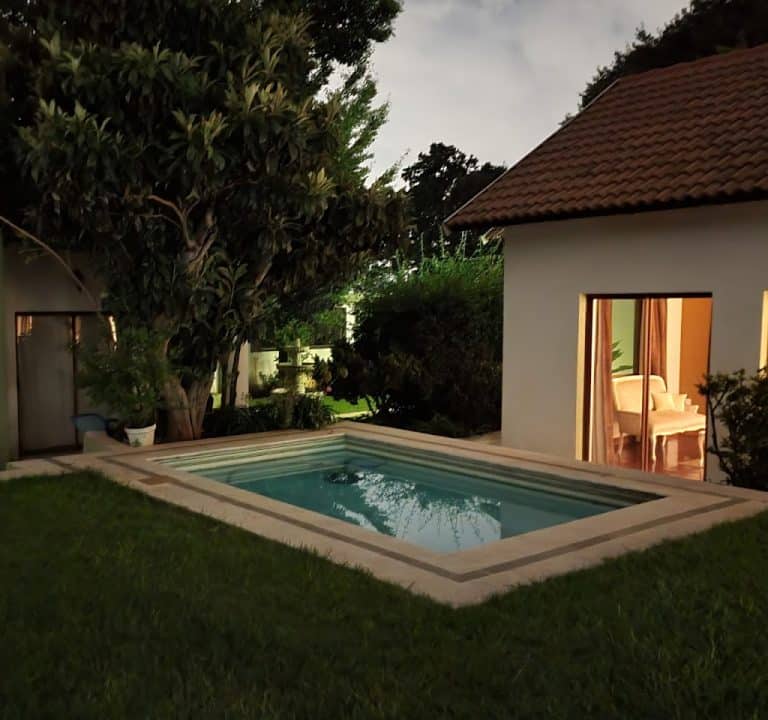
When booking accommodation, look for clear details about room types, privacy and security, and what meals are offered. Typical amenities to expect include en-suite bathrooms, free Wi-Fi, air conditioning or good ventilation, and a reliable breakfast service. If you prefer a self-contained option, some guest houses offer private entrances or kitchenette facilities. It’s helpful to confirm late check-in arrangements if you anticipate arriving after hours, and to check whether there are public spaces to relax after a day of sightseeing. A warm, attentive host can make a big difference, offering practical tips on local transport and safe routes around town.
Transport in Johannesburg is practical but can be variable by area and time of day. Having a car gives flexibility to visit multiple sites in a day, but many visitors also rely on rideshares or organised tours. When choosing a base, consider proximity to major routes or transport hubs, such as train stations or bus nodes, to limit travel time between activities. If you prefer not to drive, seek accommodation close to reliable ride-hailing access or within easy reach of high-frequency public transport. Some guest houses provide private shuttle arrangements or partnerships with local drivers, which can simplify evenings out or day trips outside the city bowl.
Best time to visit Johannesburg tends to be in the shoulder seasons of spring and autumn, with mild weather and fewer crowds compared to peak winter or summer festival periods. Summer can bring showers and warm days, ideal for outdoor markets and gardens, while winter is cooler but clear for long museum days and city tours. If you plan outdoor experiences, check the forecast and choose accommodation with flexible dining options or indoor alternatives should weather turn. For travellers focused on cultural experiences, aligning your stay with local markets, galleries or performances can enrich your itinerary, and hosts can often point you toward events that suit your interests.
Typical attractions span history, art, nature and city views. The city offers significant museums and heritage sites that convey the layered story of South Africa, alongside contemporary galleries and dynamic street art. For a balanced itinerary, plan at least one morning of heritage exploration, a stroll through a market or a district with arts and crafts, and a relaxing afternoon in a park or garden. Even without fixed names, you can expect opportunities to learn about the region’s mining legacy, experience a vibrant urban food scene, and enjoy panoramic views from elevated points around the city.
Dining in Johannesburg ranges from casual eateries to refined restaurants, with plenty of options that highlight South African flavours and international influences. When selecting restaurants to try, consider neighbourhoods that offer a mix of indoor dining and al fresco options, as well as venues that celebrate seasonal produce. If you’d like recommendations tailored to your interests, your host or concierge can point you toward neighbourhood favourites, safe walking routes, and areas with good late-night access. In general, plan to sample the local coffee culture in the mornings, enjoy community markets on weekends for fresh produce and snacks, and reserve a few dinner outings to discover the city’s lively dining scene.
Practical planning tips to maximise your stay:
- Book accommodation with secure parking or trusted transport options, especially if you plan day trips outside the city.
- Request clear guidance on neighbourhood safety, walk routes, and where to catch rideshares after dark.
- Check for flexible cancellation policies and whether breakfast or self-catering options suit your travel pace.
- Ask hosts about day-trip ideas to nearby attractions and safe, convenient transport arrangements.
- Pack layers for fluctuating temperatures, comfortable walking shoes, and a portable charger for long days out.
If you are seeking a comfortable, characterful base, consider established guest houses that prioritise guest experience and local connections. For Johannesburg snippets and practical travel tips, you can explore official tourism resources such as the City of Johannesburg website and South Africa’s national tourism channels. These sources can help you plan ahead, verify opening times, and locate reliable transport options during your stay in Gauteng.
In the end, a well-chosen stay in Johannesburg can enhance your visit to Gauteng, balancing convenience, comfort and a flavour of the city’s unique energy. Whether you’re drawn to historic narratives, contemporary art, or easy access to parks and markets, a thoughtfully selected base will help you make the most of your time in this vibrant hub.