Accommodation and attractions in Johannesburg: planning a informed stay in Gauteng
Johannesburg, or Jo’burg as it’s affectionately known, is a dynamic gateway to Gauteng’s urban culture, markets, and landscapes. When planning a stay, it helps to balance convenient access to sights with a neighbourhood that fits your pace and budget. The city offers a range of options from intimate guest houses and boutique hotels to larger business hotels and self-catering apartments. Look for places that clearly describe their location advantages, security provisions, and practical comforts such as reliable Wi‑Fi, continental breakfast, secure parking, and easy access to public transport.
Key areas to consider include the central and northern districts, where many guest houses and small hotels cluster close to business hubs, creative precincts, and cultural venues. The northern suburbs offer leafy streets, malls, and easy access to major highways, while the central areas place you within walking distance of museums, galleries, and lively markets. For a more eclectic scene with nightlife and street art, you might prefer an up‑and‑coming district that is well connected to handy transport links. When choosing, map the distance to your planned must‑see attractions and to the main transit routes, so you can move efficiently between days of exploring and evenings of dining.
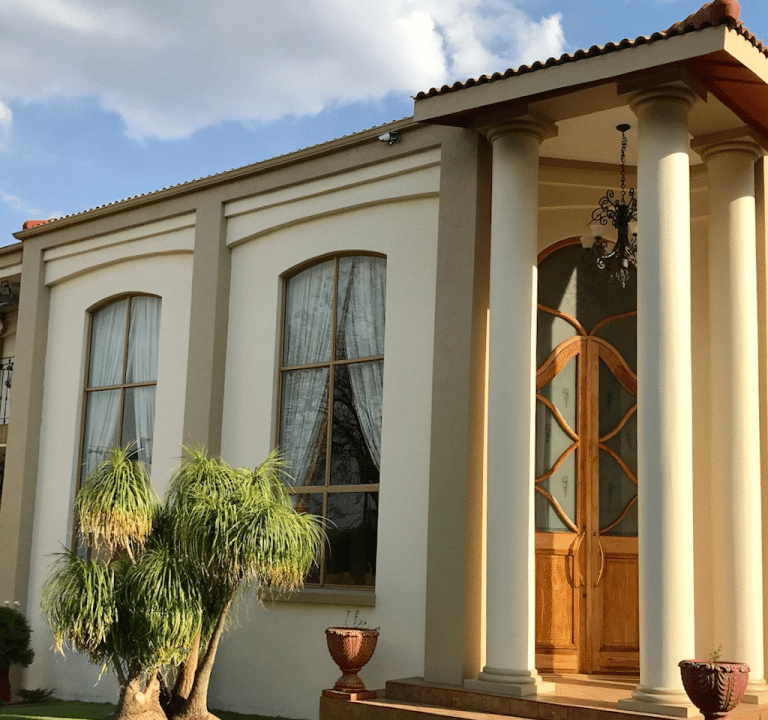
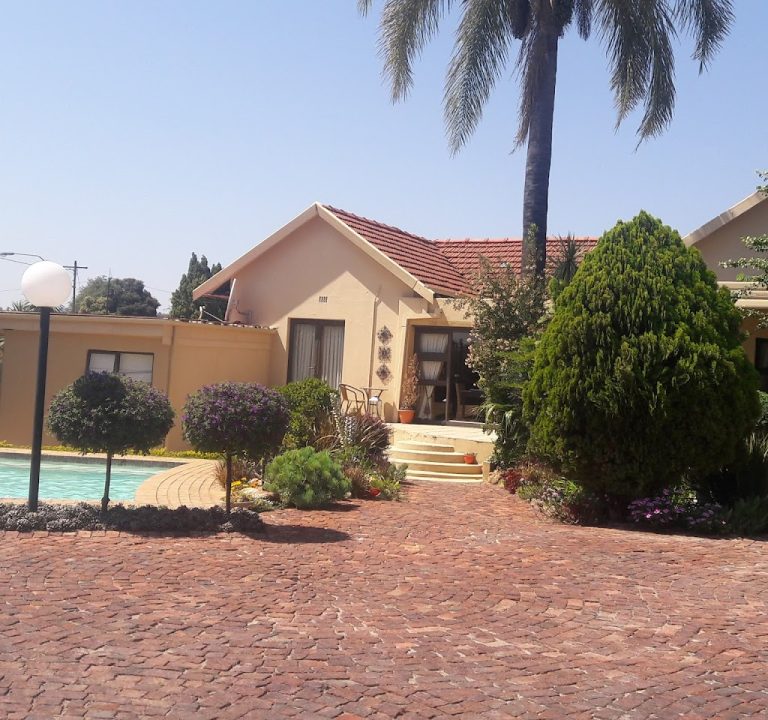
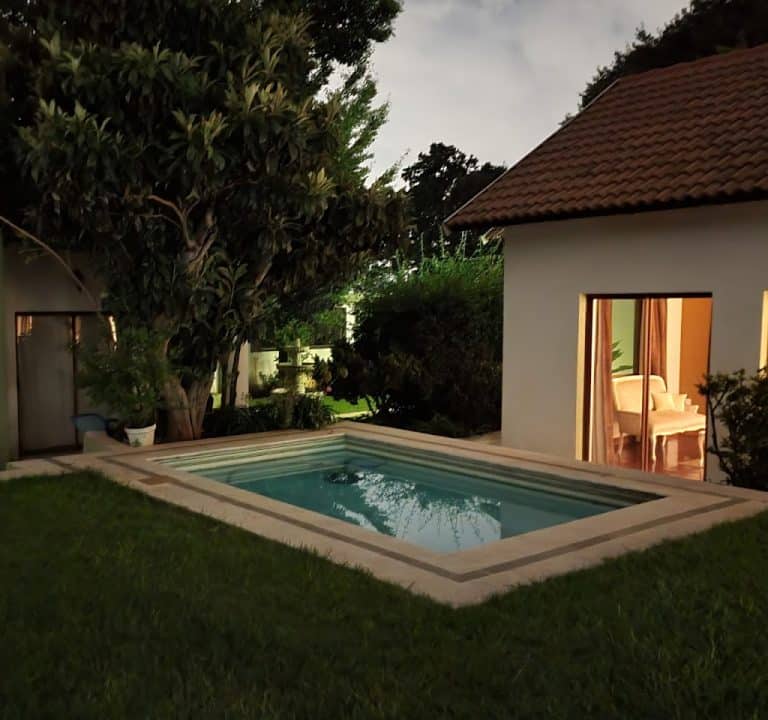
Typical amenities to look for include secure on‑site parking or easy public transport access, 24‑hour reception or front desk, daily housekeeping, and a comfortable communal space. A guest house or boutique hotel may offer breakfast, evening meals, or a small kitchenette, which can be convenient for longer stays. Consider whether the property has a pool or outdoor seating, which can be a welcome respite after warm days. If you rely on digital connectivity, check for high‑quality Wi‑Fi in rooms and public areas. For travellers who plan to work remotely, a desk space and adequate power outlets can also be important.
Practical planning tips:
- Investigate transport options from the property to your planned sites. In Johannesburg, light rail and bus networks, as well as Uber and other ride‑hailing services, can simplify day trips. Some areas are best explored on foot, while others are more comfortable by car or taxi.
- Ask about safety measures and street access, especially if you will be returning after dark. Look for properties that emphasise secure entry, well‑lit surroundings, and staff availability around the clock.
- Consider the time of year. Jo’burg experiences warm summers and cooler winters. If you plan outdoor days, late spring and early autumn often offer pleasant conditions; winter can be dry and cool, though sunny days are common.
- Read cancellation policies and guest reviews focusing on cleanliness, accuracy of listings, and staff friendliness. Reviews can highlight how well a property balances individual comfort with local information and recommendations.
- Plan a balanced itinerary that blends city museums and cultural experiences with relaxed meals at diverse dining venues. Johannesburg has a vast array of eateries—from casual markets to refined restaurants—serving local flavours and international fare.
When it comes to attractions, Johannesburg provides a broad spectrum. You can explore historic and cultural venues that reflect South Africa’s complex past, as well as vibrant contemporary districts filled with galleries, street art, and markets. Visitors frequently enjoy learning about the country’s history, taking in panoramic city views, and discovering local crafts and cuisine in lively neighbourhoods. While individual venues and prices change over time, the general appeal is the sense of discovery that comes with urban exploration—from museums and public heritage sites to markets where you can sample fresh foods and handmade goods.
Dining in Johannesburg runs the gamut from casual cafés to modern bistros and internationally inspired restaurants. Many areas offer a mix of fresh produce, diverse menus, and comfortable atmospheres for groups, families, or solo travellers. When selecting places to eat, look for options that highlight seasonal ingredients, provide clear allergen information, and offer a friendly setting for an extended stay. If you’re staying at a guest house, the host or staff can often suggest reliable neighbourhood spots and current favourites.
Transport and planning considerations can be made easier by choosing accommodation with straightforward access to major shopping centres and transit nodes. For travellers using public transport, proximity to rail stations or bus hubs can save time and reduce the need for long walks between sights. If you are arriving by air, factor in the transfer time to your chosen area and consider a short stay near a hub with easy access to the city’s core offerings.
For those seeking a welcoming place to base their stay, consider guest houses and boutique hotels that offer personalised service and local insights. A well‑placed property in Johannesburg can serve as a comfortable home base for exploring both well‑known landmarks and off‑the‑beaten‑path discoveries. To learn more about Johannesburg’s neighbourhoods, transportation options, and travel planning resources, you can consult regional tourism guides and official city information portals. For example, you might visit local tourism or city pages that provide visitor information and practical planning tips, including accommodation suggestions and activity ideas.
If you are researching specific stays, you may wish to explore options like J’s Guesthouse among guest houses in the city. Look for clear booking terms, transparent pricing, and guest reviews that reflect real experiences. For more general planning resources and ideas about Johannesburg, reputable travel guides and official tourism sites can be useful starting points.