Johannesburg: Where to Stay and What to Do
Johannesburg, often simply called Jo’burg or Jozi, is a sprawling city of contrasts,_from bustling markets and modern bars to historic sites and leafy suburbs. Planning a stay here is as much about choosing the right neighbourhood as it is about selecting a comfortable base. Whether you seek contemporary boutique lodgings or a more traditional guesthouse experience, there are options to suit every itinerary and budget.
Areas to consider for accommodation include the city centre for easy access to business hubs and nightlife, Sandton for upscale amenities and shopping, Rosebank and Melville for a more laid‑back, neighbourhood feel, and Maboneng or Braamfontein for arts, culture, and a vibrant food scene. For families or those seeking a quieter atmosphere, areas to the north and north‑east offer residential charm with convenient links to central attractions. When booking, consider proximity to transport hubs, safety, parking arrangements, and how far you are willing to travel for daily outings.
Typical amenities in well‑appointed Johannesburg stays include reliable Wi‑Fi, secure on‑site parking or easy access to public transport, supervision or reception hours that suit late arrivals, and breakfast options ranging from continental to full cooked meals. Many guesthouses and lodges offer personalised touches, such as a curated dining experience, guided city tours, or assisted itinerary planning. For longer stays, look for self‑catering facilities or guest kitchen access, laundry services, and flexible check‑in and check‑out times.
Transport within Johannesburg is best planned in advance. Taxis and ride‑hailing services are widely available, and some areas are well served by commuter rail or bus networks. If you plan day trips beyond the city, ask your host about reliable transfers or nearby hire locations for a comfortable car. For those driving, secure parking and clear directions to local attractions are essential. It’s worth noting that traffic patterns can vary, particularly during peak hours, so allow extra time when planning outings to popular sights or dining venues.
Best time to visit Johannesburg spans mild autumns and springs, with pleasant temperatures for outdoor activities. The city’s high altitude can mean cool evenings year‑round, so packing layers is sensible. If you’re visiting during the southern hemisphere winter (May to August), you’ll want warmer clothing, while summer rain showers mid‑year can be brief but refreshing. For those chasing a more comfortable climate, late spring and early autumn are reliable options for exploring outdoor markets, nature reserves, and urban walking routes.
When choosing accommodation, consider the following practical tips:
- Security and comfort: Look for well lit entrances, 24‑hour reception if you expect late check‑ins, and adequate security measures throughout the property.
- Size and layout: If travelling with family or a group, a larger room or self‑catering suite can reduce dining costs and improve privacy.
- Local character: A boutique guesthouse or lodge can offer a more authentic experience, with hosts able to share local tips and hidden gems.
- Access to dining: A breakfast option or easy restaurant access nearby can save time in busy mornings.
- Connectivity: Strong Wi‑Fi and power outlets in bedrooms are essential for modern travels, especially if you plan to work or stream.
Johannesburg’s attractions span culture, history and nature. World‑class museums and galleries sit alongside memorials that tell the story of the city and its people. For urban exploration, districts such as the central business area, Maboneng Precinct, and home‑grown markets offer a blend of street food, crafts and contemporary art. If you’re seeking outdoor experiences, nearby nature reserves and parks provide opportunities for hiking, wildlife spotting and scenic city views. While it is wise to avoid over‑planning, a well‑paced itinerary can include a morning visit to a market, an afternoon stroll through a gallery district, and an evening meal at a restaurant with a view or a lively ambience.
Food and drink scenes in Johannesburg are diverse. You’ll find traditional eateries alongside modern bistros and casual cafés. When planning meals, consider a mix of dining options to experience the breadth of the city’s culinary scene: perhaps a casual breakfast in a street‑level café, a mid‑day lunch spot in a trendy neighbourhood, and a relaxed dinner in a restaurant that showcases local ingredients. For a more hands‑on approach, some guesthouses and lodges can arrange private chef experiences or guided tasting sessions to help you explore regional flavours in a comfortable setting. Always check recent reviews for service consistency and value, as these can vary with season and management changes.
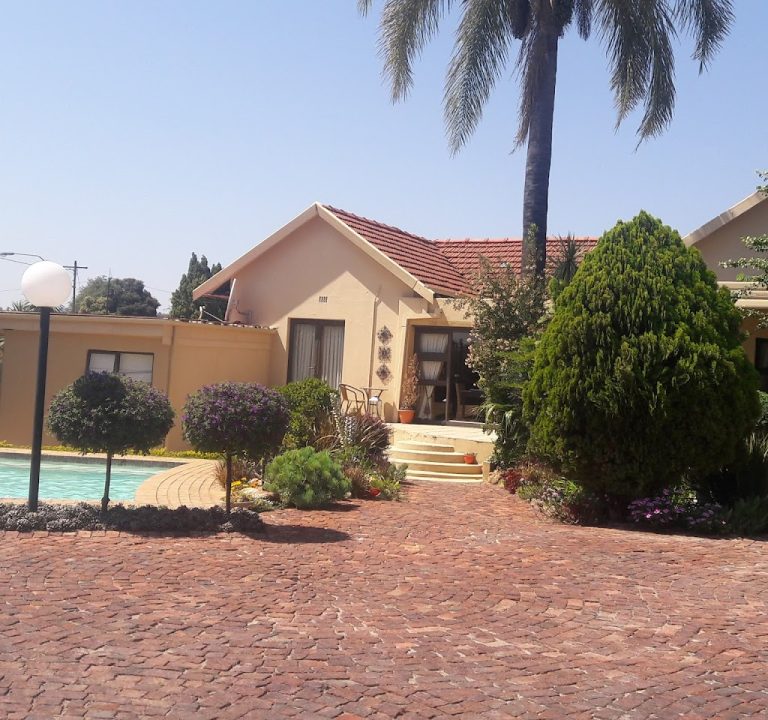
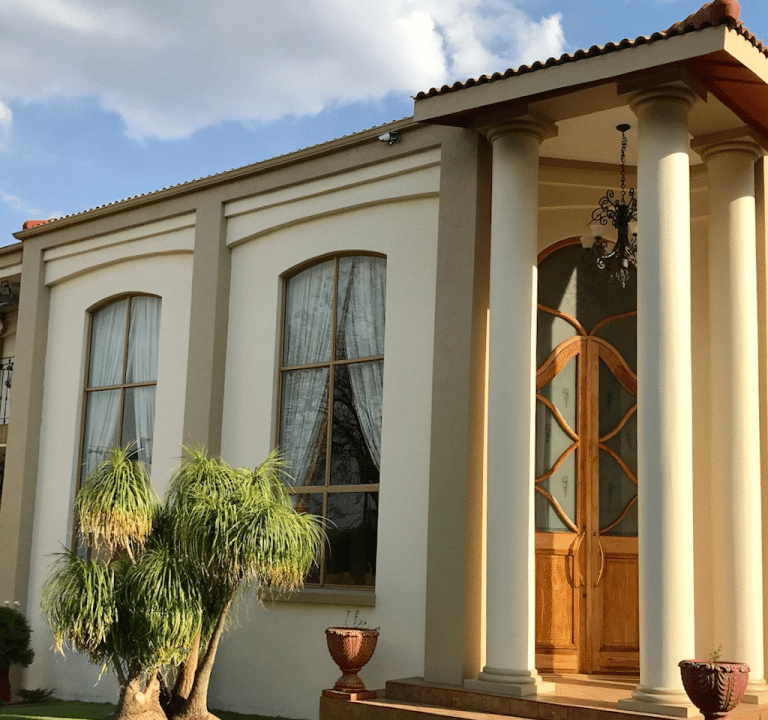
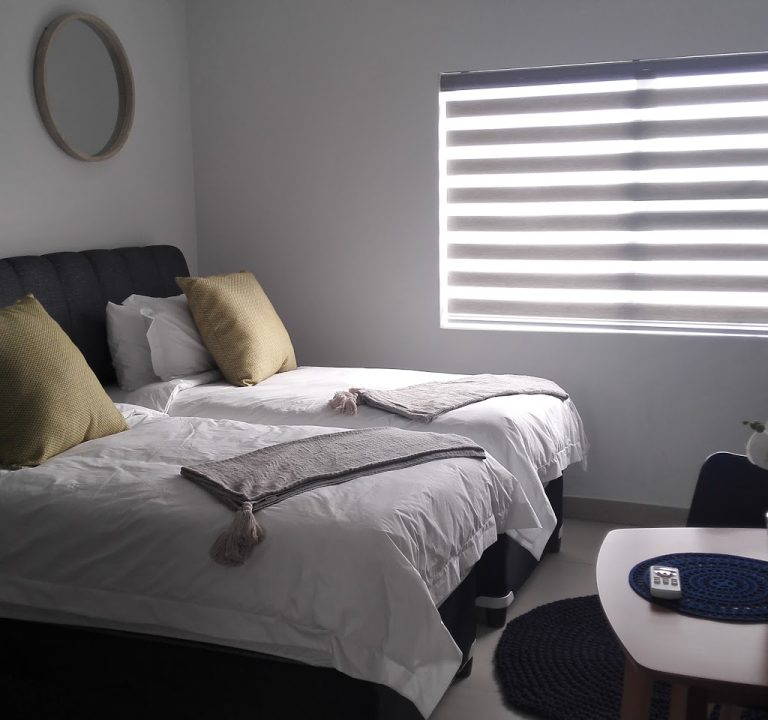
One notable lodging option to consider is 44 On Livingstone Guesthouse, a welcoming retreat offering personalised service in a convenient location. Their website provides insights into rooms, amenities, and nearby attractions, along with practical details for planning a stay. For those seeking similar experiences, look for guesthouses or lodges that emphasise friendly hospitality, flexible protocols, and local knowledge to tailor your itinerary.
Before you travel, compile a simple plan: identify two or three must‑see attractions, pick a neighbourhood as a base for the core days, and book a few dining reservations or tasting experiences in advance. Keep a flexible day to accommodate weather or a spontaneous street‑market discovery. With careful planning, your Johannesburg stay can blend comfort, security and a taste of the city’s dynamic energy.
More information and inspiration can be found through official tourism resources and reputable travel guides. For a direct example of accommodation, you can visit the property’s page at 44 On Livingstone Guesthouse.