Accommodation and Things to Do in Johannesburg, Gauteng
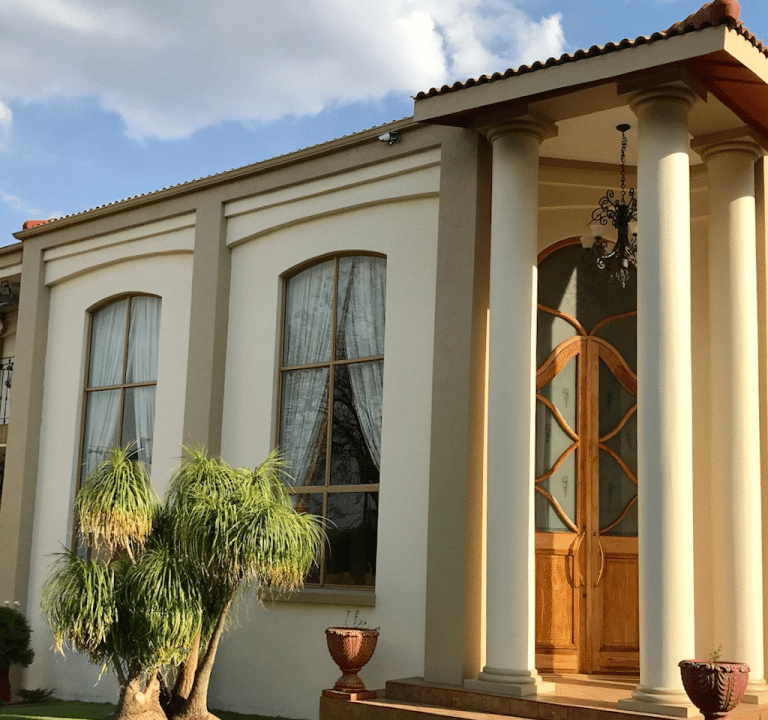
Johannesburg, the vibrant gateway to South Africa’s eastern highveld, offers a wide range of places to stay, from cosy bed and breakfasts to stylish boutique hotels and modern guesthouses. When planning a visit, it helps to think about your preferred neighbourhood, how you’ll get around, and the sorts of experiences you want to sample—from city culture to wildlife side trips. One example of accommodation in the city is Kosher B&B, a bed and breakfast that caters to guests seeking dietary considerations while exploring the metropolitan area.
Areas to consider for a stay. The central and northern parts of the city are home to a mix of business hubs, restaurants, and cultural venues. The heart of the city centre is undergoing ongoing reinvention, with historical streets and modern cafés coexisting alongside galleries and markets. Nearby districts such as Braamfontein and Newtown offer a youthful energy, with easy access to nightlife, theatres, and street art. Sandton is renowned for its upmarket shopping and conference facilities, while Rosebank combines leafy streets, markets, and convenient transport links. When choosing accommodation, think about access to public transport, walkability to eateries, and safety considerations for evening outings.
What to look for when booking. Start with comfort and security: secure entrances, reliable Wi‑Fi, a good breakfast, and convenient parking or easy transport access. Check the layout of the property—some B&Bs and guesthouses focus on intimate, quieter settings with individual rooms, while larger hotels may offer more on-site services. Read recent guest reviews to gauge consistency in cleanliness, responsiveness of staff, and how well the hosts adapt to dietary or accessibility needs. If you’re travelling with family or groups, confirm room configurations and any common areas for gatherings or work. For travellers with specific dietary requirements, such as kosher options, contact the host in advance to confirm what can be accommodated and how meals are prepared and served.
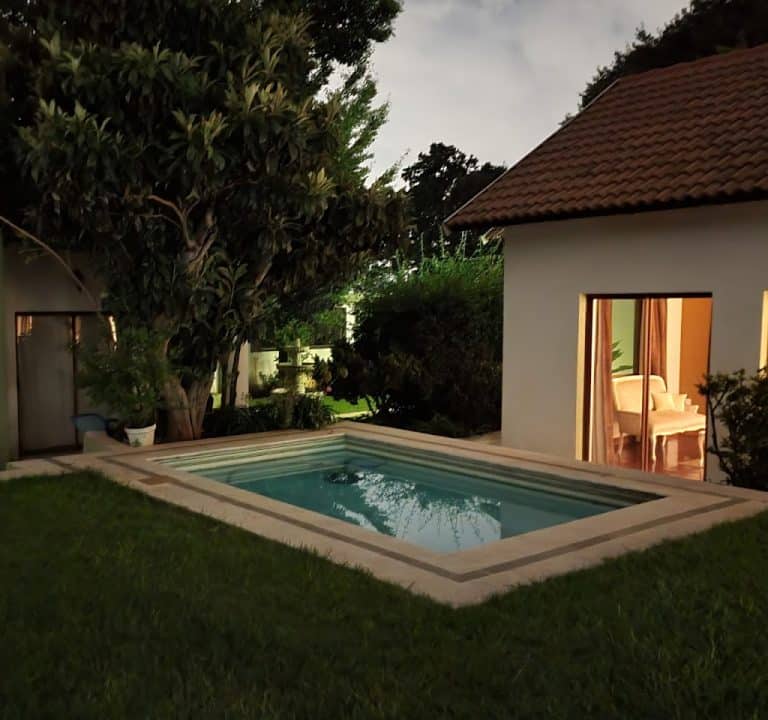
Typical amenities you can expect. A well-run Johannesburg property often includes comfortable beds with quality linens, private en-suite bathrooms, and an inviting breakfast area. Many B&Bs provide on-site parking, which is a practical perk in busy districts. Complimentary breakfast is common and can range from continental options to more substantial meals. Wi‑Fi access is essential for planning daily itineraries or staying connected. Some properties offer additional touches such as a small lounge, a courtyard or veranda, a kitchenette for guests, or curated neighbourhood guides. If you’re planning to explore beyond the city centre, a property with travel advice or arranged airport transfers can be particularly helpful.
Transport and getting around. Johannesburg is a sprawling city, so proximity to a reliable transport option often shapes a good base for exploring. Major commercial and cultural corridors are linked by taxis and ride-hailing services, while some districts have easy access to rail networks or bus routes. If you’re relying on public transport, choose a location within reasonable reach of main lines or routes to attractions. For drivers, secure on-site parking or safe street parking arrangements are worth confirming. When planning day trips, consider combining a city visit with a wildlife or nature excursion to nearby reserves, which can be reached by private tour operators or car hire.
Best time to visit. The southern African climate makes Johannesburg pleasant for much of the year. Spring (September to November) and autumn (March to May) offer mild temperatures and comfortable conditions for outdoor markets, city walks, and neighbourhood explorations. Summer brings afternoon thunderstorms, which can be dramatic but may impact outdoor plans, while winter is cool but typically dry and bright, with crisp mornings and clear skies. If you intend to attend outdoor events or markets, check seasonal calendars and transport options in advance so you can plan around peak crowds or weather shifts.
What to do and see in general terms. The city is layered with history, art, and urban design. Visit modern galleries and heritage sites to gain a sense of Johannesburg’s evolution, and stroll through neighbourhoods that showcase street art and design shops. Markets, restaurants, and coffee roasters provide a sense of the local flavour, while nearby cultural hubs often host performances, screenings, or talks. For nature and wildlife experiences, excursion options from the city centre can include day trips to reserves and green spaces where you can observe birds and native flora, or take longer journeys to explore broader Gauteng scenery.
Practical tips for planning. Before booking, compare a few options across different areas to balance price, comfort, and convenience. Verify inclusive breakfast and any dietary accommodations if relevant. Confirm the availability of secure parking or easy transport access, and ask about proximity to main sights or transit hubs. Pack adaptors appropriate for South Africa (types C, D, M), and plan flexible daytime itineraries to accommodate weather or unexpected discoveries. If you’re visiting Johannesburg for business or conferences, look for properties with quiet workspaces and reliable Wi‑Fi, alongside hospitality that understands your timing needs.
For more information and to explore stays such as Kosher B&B, visit the property’s website or trusted accommodation portals to compare options, read recent guest reviews, and tailor your booking to your preferred neighbourhood and pace of travel. With careful planning, a stay in Johannesburg can be both comfortable and inspired, providing a gateway to Gauteng’s diverse attractions and experiences.