Accommodation and Attractions in Johannesburg, Gauteng
Johannesburg, often affectionately called Jo’burg or Joburg, offers a wide spectrum of places to stay that suit different budgets and styles. From boutique guest houses to modern hotels and family-run bedrooms in leafy neighbourhoods, planning a stay around the city’s diverse districts can be rewarding. A practical approach is to think about what you want to be close to—city buzz, cultural institutions, or easy access to the roads leading to surrounding natural escapes.
When choosing accommodation, consider the area carefully. The northern suburbs tend to be residential and well-connected, with easy access to malls, restaurants, and parks. The central business district and nearby suburbs offer a more urban atmosphere, with proximity to museums, markets, and theatre. If you’re seeking a more relaxed vibe, stay in areas north of the city centre or in preference to guest houses in residential streets where hosts often share insider tips on local routes and shortcuts. For those arriving by air, choosing a place with straightforward access to the highway network can save time on day trips or connections to nearby towns.
A good stay typically includes dependable wifi, a comfortable bed, hot water, and a clean, well-maintained environment. Many properties in Johannesburg also offer on-site parking, breakfast options, and helpful staff who can point guests to local transport routes or guided experiences. For travellers who want a more authentic experience, look for guest houses or small hotels that emphasise personal service, with hosts who can tailor advice to your interests, whether you’re chasing art, history, food, or wildlife on day trips.
Transport options in Johannesburg are broad. If you’re renting a car, confirm on-site parking and clear directions to major routes. For those who prefer not to drive, many areas are accessible by rideshare services or reliable taxi operators, and some guest houses offer shuttle arrangements or guidance on public transport. The Gauteng railway network connects Johannesburg with neighbouring towns, and the city’s bus and rail links can be convenient for day-trippers if you plan carefully around peak times. It’s wise to have a printed map or a mobile data plan, as some areas may have limited connectivity in certain pockets.
Best time to visit Johannesburg generally aligns with regional seasons rather than peak international holidays. The city enjoys warm summers with afternoon thunderstorms and mild winters. Spring and autumn are pleasant for outdoor activities, and you’ll find fewer crowds around popular attractions outside peak school holidays. If you’re aiming to combine Culture and cuisine, consider aligning your stay with any local events or markets that celebrate music, crafts, or street food. Bring layers, as indoor venues can be air-conditioned or heated, depending on the season.
For accommodation in Johannesburg, consider a few practical planning points. First, check the property’s cancellation policy and any house rules, especially if you’re travelling with family or pets. Second, read recent guest reviews to gauge consistency in housekeeping, breakfast quality, and responsiveness of the host or management. Third, confirm what is included in the rate—some guest houses offer packaged meals, guided walks, or local transit passes, which can add great value to your stay. Finally, decide how close you want to be to specific attractions or dining precincts, as short taxi or ride-hailing trips can add up if you’re planning daily outings.
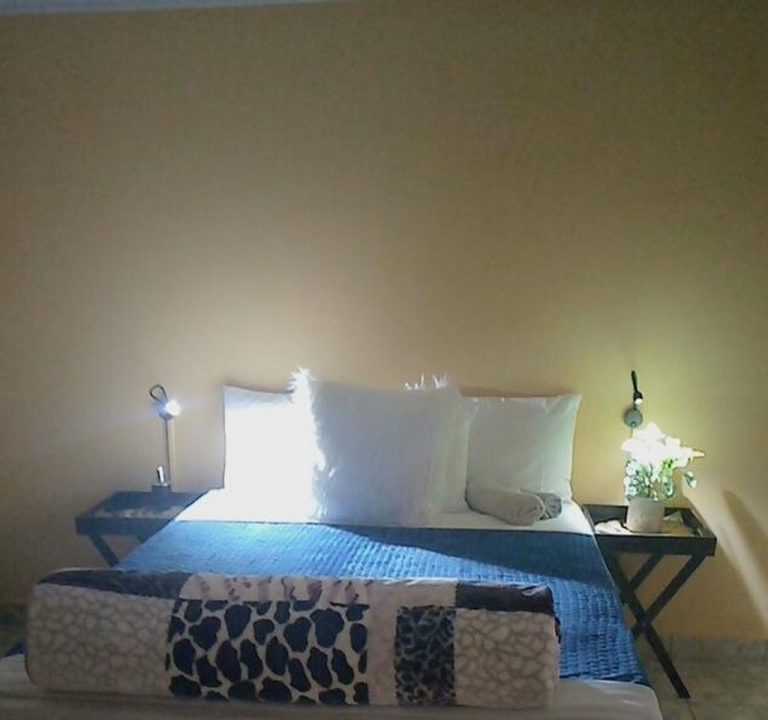
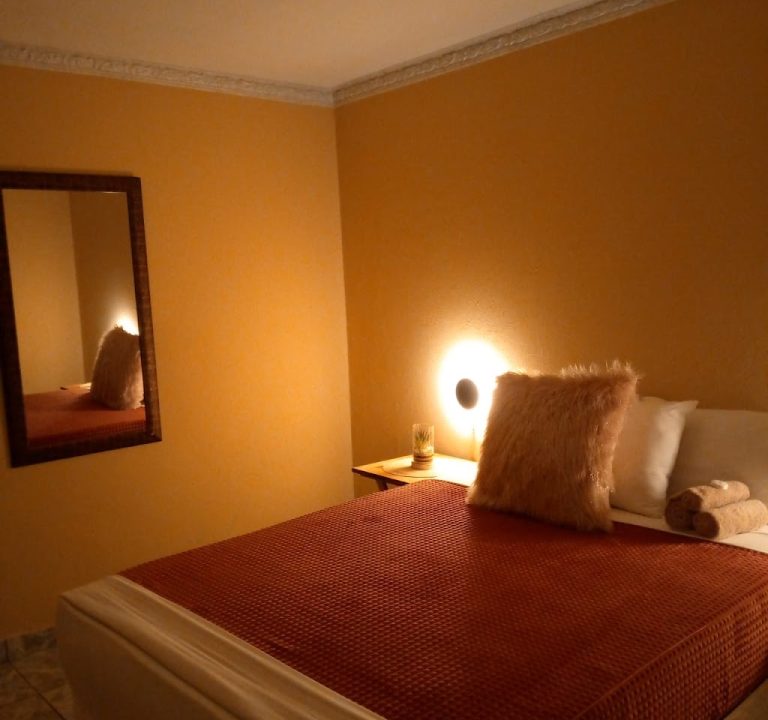
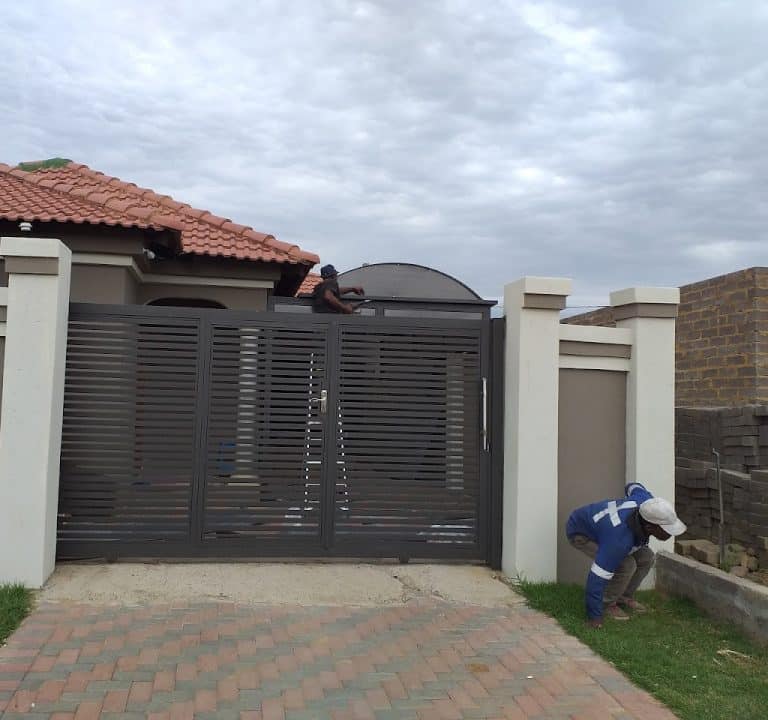
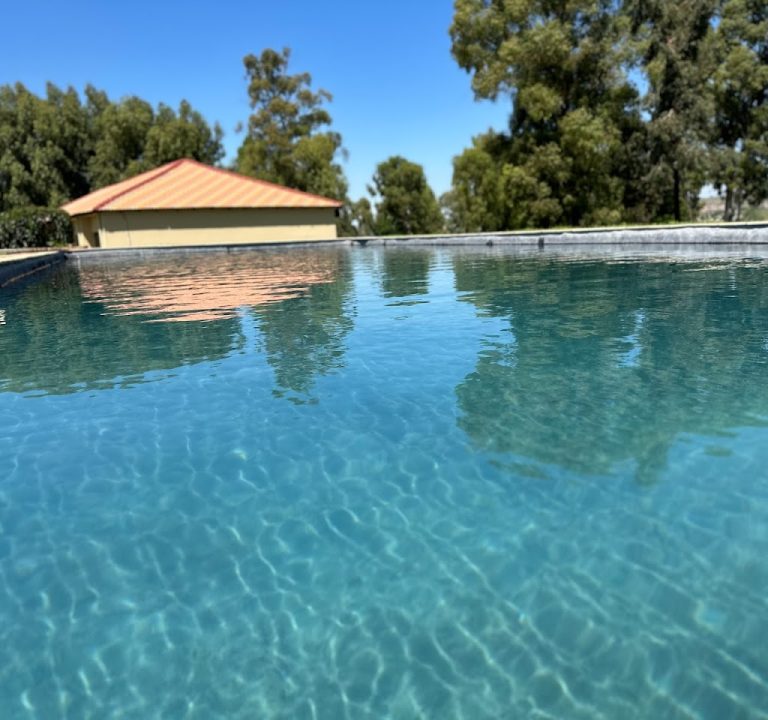
Potential options for accommodation can include guest houses where the experience leans on personal hospitality, small boutique hotels with a curated design, or self-catering lodges that provide flexibility for longer stays. One possible example in the region is 10111 Guesthouse, a guest house that embodies a more intimate, home-from-home approach. As with any stay, verify location, access, and the range of amenities offered before booking to ensure it aligns with your itinerary and sleep requirements.
Attractions and experiences in Johannesburg span arts, history, nature, and cuisine. The city is known for its museums and galleries, vibrant markets, and historic landmarks. Day trips can include nearby nature reserves, botanical gardens, and scenic viewpoints that overlook the city’s urban landscape. Dining in Johannesburg runs from regional South African eateries to international cuisine, with many neighbourhoods offering diverse breakfast and dinner options. When planning meals out, look for places that highlight seasonal produce or local dishes, and consider asking hosts or staff for recommendations on emerging neighbourhoods where chefs are experimenting with new concepts.
To plan ahead, consult official tourism resources for the latest events and routes. City tourism portals and official municipal pages provide updated information about transport links, safety tips, and recommended day trips. For more ideas on what the city has to offer, you can explore the official city site and national tourism guidance online.
- Choose accommodation by proximity to the areas you wish to explore, and verify transport options for evenings in and out of town.
- Look for guest houses or boutique hotels that offer personalised service and local recommendations.
- Balance your itinerary with a mix of museums, markets, parks, and dining experiences to capture the city’s flavour.