Accommodating Johannesburg: Where to stay and how to plan your visit
Johannesburg, or Jo’burg as it is affectionately known, is a dynamic gateway to Gauteng’s city life and hinterland. When planning a stay in this sprawling metropolis, consider a mix of accommodation types that suit different itineraries and budgets. From guest houses and boutique hotels to city centre apartments and family-friendly lodges, the best choice often depends on how you want to structure your days, your safety preferences, and how you plan to explore the wider region.
Areas to consider range from the city’s bustling CBD and the leafy northern suburbs to up-and-coming neighbourhoods with a strong arts and dining scene. The central precincts offer convenient access to museums, markets, and business hubs, while Sandton and Rosebank provide upscale dining, shopping malls, and reliable transport links. Maboneng and Braamfontein bring a creative pulse with galleries, cafés, and lively markets, whereas Fourways and suburban enclaves like Parkhurst or Greenside offer a more relaxed, family-friendly atmosphere. If you are after a quieter stay with easy access to nature and day trips, the northern periphery and the northern suburbs can be a savvy base.
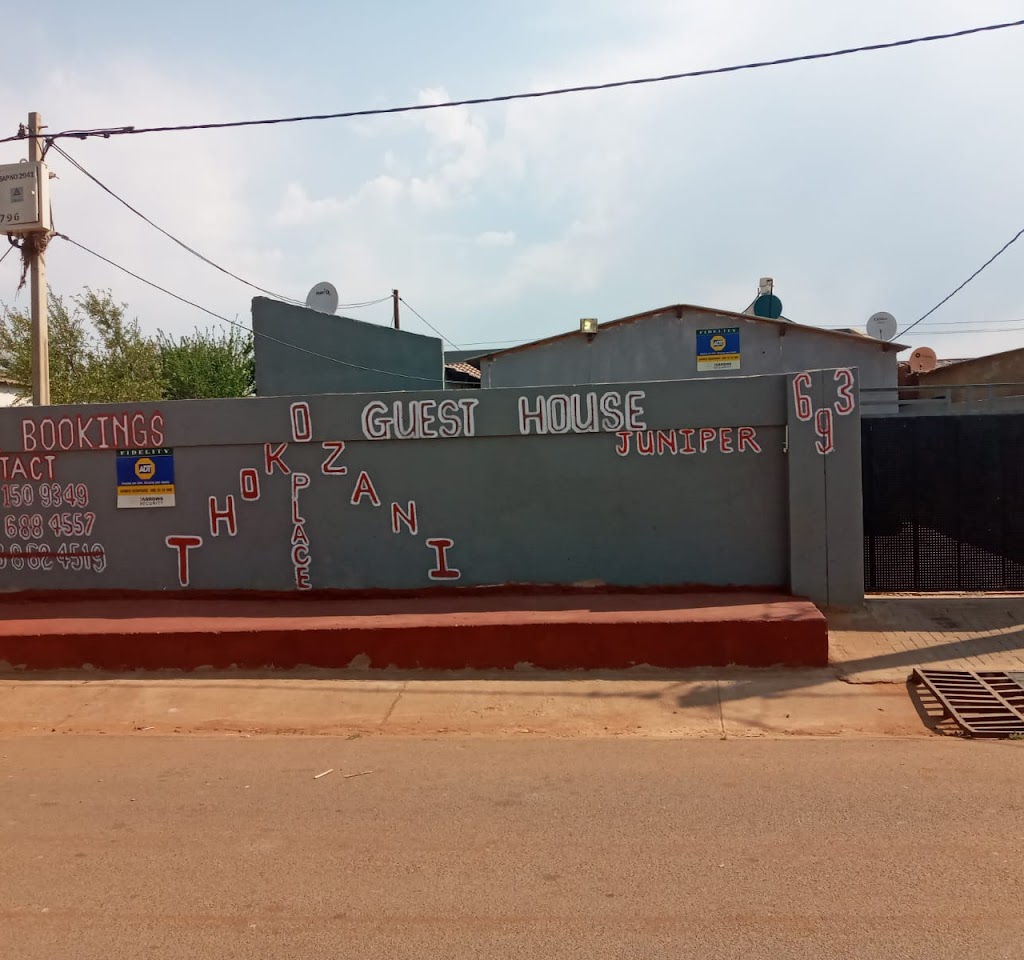
When choosing accommodation, think about proximity to the sights you want to prioritise and how you’ll move around. Johannesburg is a city of short trips and occasional delays, so look for properties that are within easy reach of main routes or public transport hubs. A guest house such as Thokozani Guest House can provide a welcoming, home-from-home stay in a residential setting, often with secure parking and personalised service. Always check the neighbourhood vibe and safety considerations in relation to your planned activities.
Typical amenities to look for include free Wi‑Fi, secure on-site parking, breakfast options, and 24-hour reception or access. If you plan to work or study during your stay, verify reliable desk space and quiet areas. For families, check room configurations, child-friendly facilities, and laundry services. For couples or solo travellers seeking privacy, en-suite bathrooms, private entrances, and thoughtful local recommendations can make a big difference. Green or energy-efficient buildings, easy accessibility, and clear safety information are also helpful features to consider when booking.
Transport arrangements can shape the daily timetable as much as the attractions themselves. Johannesburg has a mix of options: reputable rideshare services, the Gautrain link to OR Tambo and Pretoria, and urban bus routes in some areas. If you plan multiple day trips or travel outside peak hours, confirm access to convenient parking or nearby tram or bus stops. Many guest houses and boutique hotels offer breakfast boosts and arranged airport transfers or city tours, which can simplify logistics and maximise your time in the city.
The best time to visit Johannesburg generally aligns with pleasant weather and event calendars. The southern hemisphere seasons mean warm, sunny days in the South African spring and summer, with cooler, drier winters. If you enjoy cultural festivals, markets, and outdoor dining, late spring and autumn provide a nice balance of comfortable temperatures and outdoor activities. Wildlife and nature day trips, such as the nearby peaks and nature reserves, are also popular when weather is mild. Consider local events calendars for music, culture, and food happenings, which can add a vibrant layer to your stay.
Practical tips to help you make the most of your visit:
- Arrange a safe travel plan for evenings, particularly in less busy districts. Rely on reputable transport options and pre-booked rides when possible.
- Carry a light, weather-appropriate layer, as evening temperatures can drop, especially after rain.
- Plan a balanced itinerary that mixes indoor museum experiences with outdoor markets and parks to avoid fatigue.
- Respect local customs and be mindful of personal safety in unfamiliar areas. Ask your host or accommodation staff for area-specific guidance.
- Check cancellation policies and consider flexible bookings in case of changes to flight times or changes in plan.
- Preview the neighbourhood walk routes from your accommodation to minimise backtracking and maximise time for attractions and dining.
When it comes to dining and culture, Johannesburg offers a broad spectrum of experiences, from market stalls and casual eateries to refined restaurants showcasing local and international flavours. In general terms, you can expect dishes that reflect South Africa’s diverse influences, with opportunities to sample urban cafés, traditional eateries, and modern bistros. For a broader sense of the city’s culinary scene, look for venues that specialise in seasonal, locally sourced ingredients, and seek out places with friendly service and an inviting ambience. The same approach applies to attractions: start with notable galleries, historical sites, and outdoor spaces, then branch out to contemporary street art, craft markets, and sunset viewpoints that offer a sense of the city’s scale and energy.
In summary, Johannesburg rewards travellers who plan thoughtfully: select a neighbourhood that aligns with your pace and interests, choose accommodation with practical amenities and reliable transport access, and balance busy days with relaxing stays. A well-chosen base—whether a welcoming guest house such as Thokozani Guest House, a boutique hotel, or a well located apartment—can anchor an enriching visit to Gauteng’s vibrant heart. For practical planning, consult the accommodation’s own website for stay policies, local tips, and any curated experiences they may offer, and use reputable travel resources to verify neighbourhood safety and transport options. With thoughtful preparation, your Johannesburg stay can be both comfortable and energising, leaving room for discovery and downtime alike.