Johannesburg: Where to stay, what to do, and how to plan your visit
Johannesburg, or Jo’burg as locals often say, blends vibrant city energy with rich history, regional landscapes and a thoughtful hospitality scene. When planning a stay, choosing the right area is as important as selecting a comfortable base. Whether you want modern business districts with easy transit, stylish neighbourhoods with a cultural pulse, or leafy suburbs with a quieter vibe, Johannesburg offers a range of accommodation options to suit most budgets and itineraries.
Key areas to consider include Sandton, the financial hub with high-end hotels and serviced apartments, and Rosebank, which offers a cosmopolitan mix of boutique stays, shopping, and easy access to the Gautrain for quick trips to central Johannesburg or Pretoria. Braamfontein and Maboneng are ideal for travellers seeking art, cafes and a walkable, neighbourhood atmosphere. For a more traditional feel with historic resonance, Soweto provides guesthouses and guided experiences that illuminate South Africa’s past. For families or those seeking a calmer base, suburbs such as Fourways or Randburg can offer convenient access to parks and shopping centres while remaining relatively close to the city’s northern precincts.
When you book, look for clear details about room types, bed configurations, and housekeeping routines. Confirm whether breakfast is included, if there is 24-hour reception, and whether the property offers facilities such as secure parking, Wi-Fi, and a gym or pool. In Johannesburg’s heat, air conditioning or effective cooling is worth noting, particularly for summer stays. If you plan on early starts or late nights, check for 24-hour reception or late check-in options and note any restrictions on noise and guest access to common areas.
Typical amenities you might expect include en-suite bathrooms with adequate water pressure, comfortable bedding, and a well-equipped work desk if you’re travelling for business. Many places offer complimentary tea and coffee, along with a minibar or fridge. Laundry services, ironing facilities, and luggage storage can be particularly handy for longer trips. For families, ask about child-friendly features such as cribs, babysitting services, and safe play areas. Eco-conscious travellers may appreciate properties that use solar power, recycling programs, or water-saving fixtures.
Transport planning is essential in Johannesburg. The city’s layout means taking advantage of major arterials and reliable rail connections can save time. The Gautrain is a popular option for fast, clean travel between the airport and Sandton or Rosebank, and many hotels are within easy reach of a station or airport shuttle services. If you plan to drive, ensure the property has secure on-site parking or nearby parking to avoid street-side charges or theft risk. When relying on taxis or ride-hailing apps, budget a little extra for peak traffic periods, and be prepared for busy routes during commuter hours.
The best time to visit Johannesburg depends on what you want from your trip. The city experiences a warm to hot subtropical climate, with the peak travel season typically in the dry winter months (June to August) when skies are bright and rainfall is minimal. However, the city’s parks, markets and outdoor experiences are enjoyable year-round, aided by the occasional afternoon shower in the summer. If you’re keen on cultural festivals, plan ahead to align your stay with events and exhibitions that highlight contemporary South African art, music, and cuisine. For outdoor activities such as safaris or day trips to nearby nature reserves, allow a couple of days outside the city to balance big-city exploration with restorative downtime.
Practical planning tips to help you make the most of your stay:
- Read guest reviews to gauge consistency in service and accuracy of listing descriptions. Look for comments about noise, air conditioning, and proximity to transport links.
- Check the neighbourhood on a map before booking to understand walkability, safety, and access to restaurants, bars, and groceries.
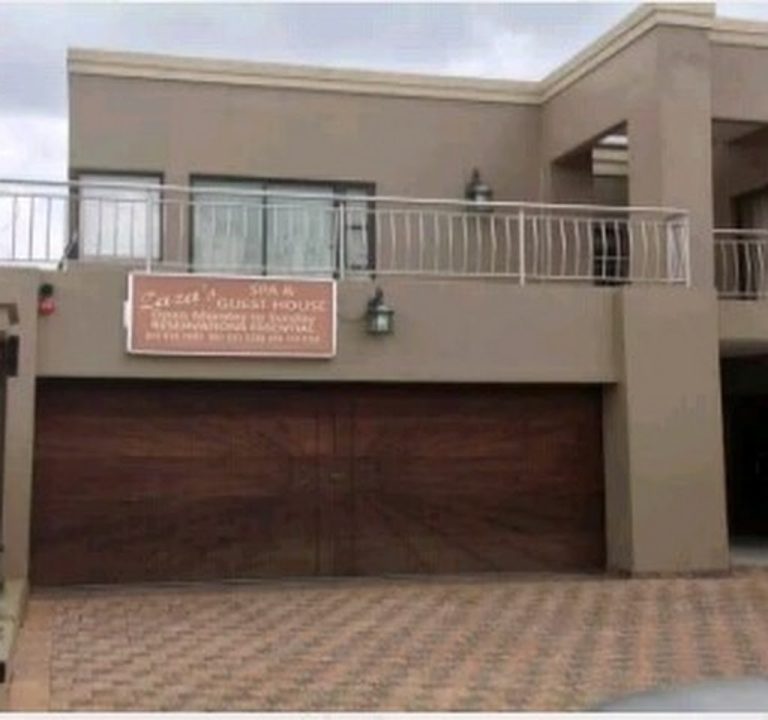
- Consider a mix of lodging types, such as a modern hotel for convenience and a boutique guesthouse for a more intimate, local experience.
- Establish a rough daily plan that balances city sights with downtime in comfortable surroundings. Reserve popular experiences and dining slots in advance when possible.
- Have a realistic transport plan for evenings out; map ride-hailing options and ensure you know where to wait and how to return to your accommodation safely.
When it comes to dining, Johannesburg’s restaurant scene ranges from vibrant informal diners to refined eateries. You’ll encounter dishes inspired by local traditions, modern South African cooking, and international fare. It’s worth sampling neighbourhood staples and exploring markets or food halls to taste a variety of dishes in one outing. If you prefer guidance, most accommodation providers can point you to reliable neighbourhood favourites and safer, well-lit routes back to your base after a day of exploring.
For additional inspiration and planning resources, consider official tourism sites or city guides that offer up-to-date recommendations on attractions, events, and seasonal highlights. Always verify opening hours and accessibility in advance, particularly for museums, galleries and historic sites. With thoughtful planning, your Johannesburg stay can combine convenient accommodation, easy transit links, and immersive experiences that capture the city’s dynamic spirit.