Exploring Accommodation and Experiences in Johannesburg, Gauteng
Johannesburg, often simply referred to as Jo’burg or Jozi, is a dynamic gateway to South Africa’s northern landscapes. When planning a stay, the choice of neighbourhood can shape your experience as much as the hotel, guesthouse or homestay you select. From chic city-centre pads to leafy suburban retreats, and lively districts that hum with culture, there are options to suit a range of tastes and budgets. A well-planned itinerary can combine comfortable accommodation with easy access to galleries, markets, and eateries, while offering glimpses of South Africa’s urban vitality and remarkable history.
Accommodation in Johannesburg ranges from contemporary hotels with business-friendly amenities to boutique guesthouses and homestays that offer personalised hospitality. If you value a sense of place, homestays and small guesthouses can provide direct insights into local life, particularly in communities that celebrate arts and neighbourhood eateries. For those seeking modern conveniences and strong connectivity, well-rated hotels in business districts or luxury lodges on the outskirts can deliver a polished stay with fast transport links to the city’s attractions. When booking, consider what atmosphere you want: a central hub for nightlife and dining, a quiet base near museums and parks, or a family-friendly stay with easy access to parks and activities for all ages.
Areas to consider include the following, each with a distinct character and appeal:
- Johannesburg city centre and the central business district, where revitalised street life and cultural venues offer a compact, walkable base.
- Sandton and Rivonia for upscale shopping, dining, and well-appointed hotels with reliable transport connections.
- Rosebank and Melville for a mix of cafés, markets, and a village-like atmosphere with convenient public transport.
- Braamfontein and Maboneng Precincts, known for creative spaces, trendy eateries, and an energetic urban scene.
- Soweto and surrounding townships for guided heritage experiences that reveal history, music, and community life.
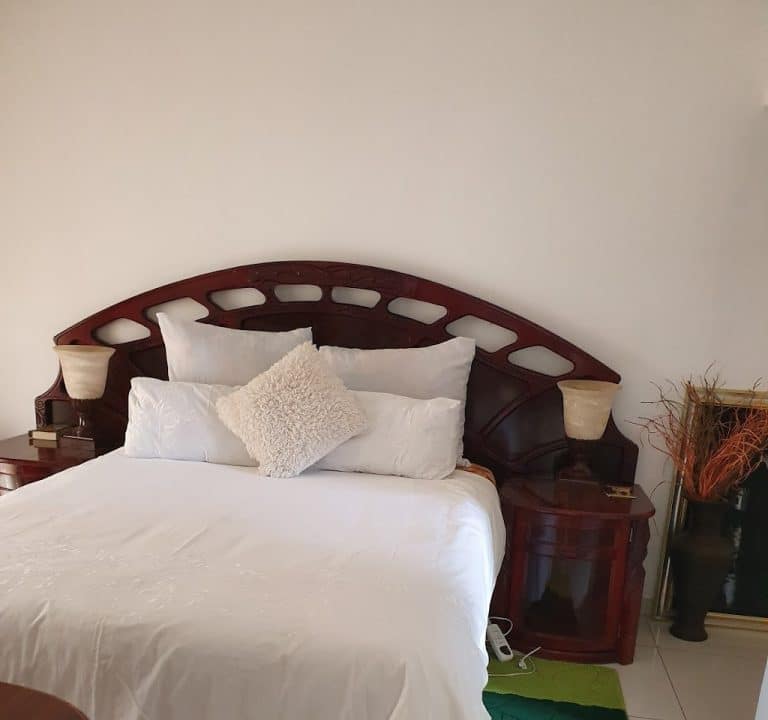
What to look for when booking includes a comfortable bed and quiet rooms, reliable air conditioning or heating, and good security. Practical amenities like free Wi‑Fi, a practical workspace, and on-site parking can be a real help for travellers. If you plan long days visiting museums, markets, and galleries, an option with a restaurant, café, or room service can simplify evenings. Where possible, read recent guest reviews to gauge cleanliness, noise levels, and the friendliness of staff. Consider whether breakfast is included or if there are simple self-catering options, especially if you are moving between sites early in the day.
Transport is a practical dimension of planning in Johannesburg. The city has a growing metro rail network and ride-hailing services that can connect you to major sights with relative ease. If you plan day trips beyond the city, staying near major transport hubs or with parking options can save time. Some districts are more pedestrian friendly than others, and a short taxi ride between sights can sometimes be more efficient than navigating unfamiliar streets by foot after dark. For scenic or cultural itineraries, look for accommodations that can assist with arranging guided tours or authentic local experiences, including neighbourhood walks, markets, and gallery visits.
Best time to visit Johannesburg is typically during the dry winter months, when daytime temperatures are comfortable for exploring and outdoor markets. Summer brings lush landscapes and afternoon showers; while warmer, this season can involve higher humidity and occasional thunderstorms. Early mornings and late afternoons tend to be pleasant for walking and sightseeing, especially in the city’s parks and historic sites. If your schedule allows, plan a mix of indoor museum days and outdoor explorations to balance weather and energy levels.
Practical tips to help you plan a smooth stay:
- Book accommodations with clear security measures and a friendly, responsive team who can share local tips on safe areas and transportation options.
- Check access to wellness facilities or quiet spaces if you need downtime between busy days touring the city.
- Choose a base with good access to public transport or reliable transfers, especially if you plan to visit multiple districts in a day.
- Ask hosts or front desk staff about current safety advice and advisable routes for walking or driving between sights.
- Consider a mix of experiences beyond just the standard sights, such as markets, creative districts, and food halls that showcase the city’s diverse culture.
Attractions and experiences in Johannesburg span a broad spectrum. You can expect insightful museums that reflect the country’s history, vibrant arts precincts with galleries and studios, and viewpoints offering memorable cityscapes. Women’s museums, science centres, and restored industrial sites provide engaging, family-friendly days that pair well with nearby cafes and casual eateries. Dining in Johannesburg ranges from casual bistros to refined restaurants offering contemporary and traditional flavours, highlighting the city’s multicultural influences. When planning your visit, consider a mix of guided tours and independent explorations to uncover hidden corners of the city and to hear stories directly from local residents. For further planning, you may explore official tourism sites or guesthouse partnerships that highlight area guides and practical itineraries.